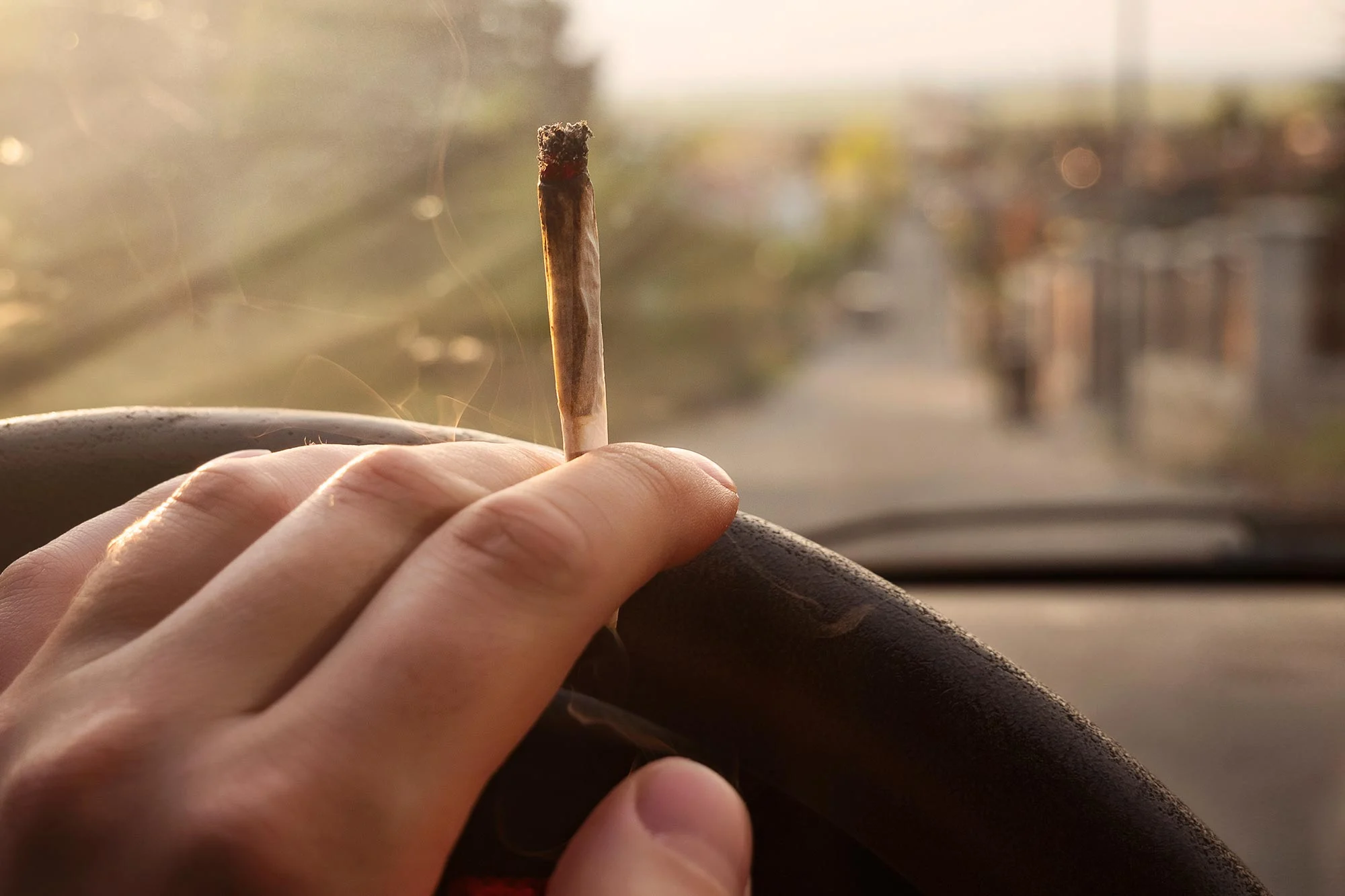
Summary of Over 40% of Fatal Crash Drivers Had THC in Their Blood – Far Above Legal Limits:
A recent study revealed that over 41% of drivers who died in car crashes tested positive for active THC, the psychoactive component of cannabis, with average levels significantly exceeding legal impairment limits. This statistic remained stable over a six-year period, including the time after recreational cannabis was legalized in Ohio. Researchers highlighted a pressing public safety concern, noting that public awareness campaigns have not adequately addressed the dangers of driving under the influence of cannabis. The study emphasizes the need for informative warnings akin to those for alcohol. It was presented at the American College of Surgeons Clinical Congress 2025, based on a review of coroner records from 2019 to 2024.
*****
Summary Bullet Points
- Recent research shows over 40% of drivers killed in crashes had active THC in their blood, with levels exceeding legal limits.
- The study conducted reviewed six years of data, indicating no reduction in high THC positivity rates since the legalization of recreational cannabis.
- Experts call for stronger public awareness campaigns about the dangers of driving under the influence of cannabis, paralleling the messaging around alcohol consumption.
- Data reflects that THC levels from fatal crashes are alarmingly high, emphasizing the need for better traffic safety education.
- The findings suggest that legalization has not diminished the risks associated with cannabis use while driving.
THC and Driving: A Public Health Crisis
At a glance, the conversation surrounding cannabis use often evokes thoughts of relaxation, creativity, and even medical benefits. Yet, lurking beneath the surface is a startling reality that demands our attention: recent studies reveal that over 40% of drivers who died in car crashes had significant levels of THC—an active component in marijuana—present in their blood. With average THC levels soaring far above legal limits, this issue transcends mere statistics; it signals a pressing public health concern.
The Surprising Statistics
To set the stage, let’s delve into what the data reveals. In a thorough investigation spanning from January 2019 to September 2024, researchers evaluated coroner records in Montgomery County, Ohio. Their assessment involved 246 drivers who lost their lives in collisions, and, astoundingly, 103 of those—approximately 41.9%—tested positive for THC at levels far exceeding the legal thresholds set in most states, typically ranging between 2 to 5 ng/mL. The average found in this particular study? A staggering 30.7 ng/mL.
Now, if that statistic didn’t catch your attention, consider this: the positivity rates for THC remained unusually high over a substantial six-year period. This unwavering trend continued even after the state legalized recreational cannabis back in 2023, some might think that such a shift in legislation would foster more responsible behavior. Yet, the facts speak otherwise.
Unpacking THC Levels and Impairment
The conversation around THC shouldn’t end with numbers. Often, when we think about substances and their impairing effects, the discussion tends to focus more on alcohol. However, as Professor Akpofure P. Ekeh pointed out, these levels of THC indicate not just casual or residual use but a concerning pattern of recent consumption. This isn’t merely about being in the presence of THC; it’s about engaging in the act of driving while under its influence.
Imagine the implications: a driver, perhaps under the false impression that the legalization somehow equates to safety or acceptance, ventures onto the road just hours after consumption. An ordinary day can quickly spiral into a calamity, affecting not only the driver but countless other innocent lives.
The Legalization Controversy
What’s particularly intriguing—and worrisome—about this phenomenon is the apparent disconnect between cannabis legalization and driving safety. You would think that once cannabis became legalized, awareness around its risks would follow suit, leading to more responsible use among the public. Yet, the statistics suggest the opposite.
Prior to legalization, the THC positivity rate among fatal crash drivers hovered around 42.1%. Post-legalization, that figure barely shifted to 45.2%. What does this tell us? It indicates that the newfound accessibility didn’t inherently alter dangerous driving practices.
A Call to Action
Dr. Ekeh’s observations urge us to reflect: “The messaging over the last few years has focused heavily on advocating for recreational legalization.” But where is the counterbalance that emphasizes safety and caution? The ongoing high rates of THC-positive drivers underscore a profound need for public education campaigns focusing on the serious dangers of driving after consuming cannabis.
Imagine a future where public awareness campaigns are as ubiquitous as the promotions for recreational cannabis itself. Picture driving textbooks that feature sections on THC much like they do for alcohol consumption. “Don’t smoke and drive” should resonate as clearly as “Don’t drink and drive.”
The Power of Awareness and Responsibility
Awareness is a powerful tool; it shapes not only our decisions but our cultural norms. Consider how alcohol awareness campaigns have effectively educated the public about the risks of drinking and driving. Similarly, an increased focus on THC consumption and driving could foster more accountability among users and could lead to greater overall road safety.
Truly, it’s a collective endeavor that requires buy-in from various sectors, including policymakers, educators, and, of course, the media. Communities must come together to reshape narratives and establish new norms around cannabis use that prioritizes safety just as much as individual freedom.
A Crisis of Consciousness
Let’s take a moment to reflect on the broader implications of these findings. The consequences of driving under the influence of THC extend beyond immediate dangers. They ignite conversations about accountability and decision-making in our daily lives. How often do we find ourselves in situations where we might prioritize convenience or pleasure over responsibility? This question resonates not only in the context of driving but across various facets of life.
Recognizing cannabis’s role in driving safety issues invites us to consider our choices. Whether it’s opting out of risky behavior or advocating for a designated driver, our decisions shape our environments in profound ways.
Bridging Education and Action
The road ahead demands more than just awareness; it requires decisive action. Emerging initiatives may include integrating cannabis education into driver’s training programs, increasing visibility of warning signs on highways, or establishing community workshops dedicated to holistic awareness of substance use and driving. The time to amplify this dialogue is now.
How can you contribute? Start small: share this article with friends, challenge a notion surrounding responsible cannabis use, or even participate in local forums addressing road safety. The collective voice becomes a transformative force when shared.
Embracing Change
As the narrative around cannabis evolves, so too must our understanding of its implications for public health and safety. Ignorance won’t get us far; it’s knowledge and responsible action that will pave the way toward safer roads.
In summary, the undeniable link between THC levels and driving fatalities presents a wake-up call. As legalization continues to unfold, we must remain vigilant about the duality of responsibility and freedom. Until a cultural shift takes root that places the same weight on cannabis use as it does on alcohol, the statistics will remain a harbinger of a crisis that affects us all.
The facts surrounding THC and driving may seem daunting, but they serve as a foundation for a vital conversation about safety, responsibility, and the future. By recognizing the potential dangers, we can propel ourselves toward a safer, more informed society. Navigate these complex waters with an open heart and mind; it is through awareness and education that we can inspire genuine change.