Summary of Scientists Uncover a New Clue Inside the Cell’s Power Plant:
New research by Rockefeller University reveals that mitochondria, known for energy production, also play a significant role in cancer spread. The antioxidant glutathione within mitochondria is crucial for breast tumors to metastasize to the lungs. This study is among the first to associate a specific mitochondrial metabolite with cancer metastasis. Researchers discovered that elevated glutathione levels enable cancer cells to survive in low-oxygen environments, aiding their spread. The mitochondrial transporter SLC25A39, which imports glutathione, was found to be essential in this process. The research suggests that targeting glutathione import may help prevent breast cancer metastasis with fewer side effects than broader treatments, and highlights the importance of understanding metabolites’ roles within cellular organelles.
*****
Summary
- Mitochondria and Cancer Spread: Mitochondria, beyond being the cell’s powerhouse, have a role in cancer metastasis, particularly through the metabolite glutathione.
- Glutathione’s Role: Elevated mitochondrial glutathione facilitates breast cancer cells spreading to the lung, highlighting its significance in cancer biology.
- Molecular Insights: The discovery of SLC25A39 as a crucial transporter for glutathione into mitochondria links to cancer metastasis, offering potential therapeutic targets.
- Research Implications: Findings emphasize the necessity of understanding specific organelle functions in cellular metabolism and disease progression.
- Future Directions: Potential therapies targeting glutathione transport might manage metastasis with fewer side effects than current treatments.
Unlocking the Secrets Within: How Mitochondria Fuel More Than Energy
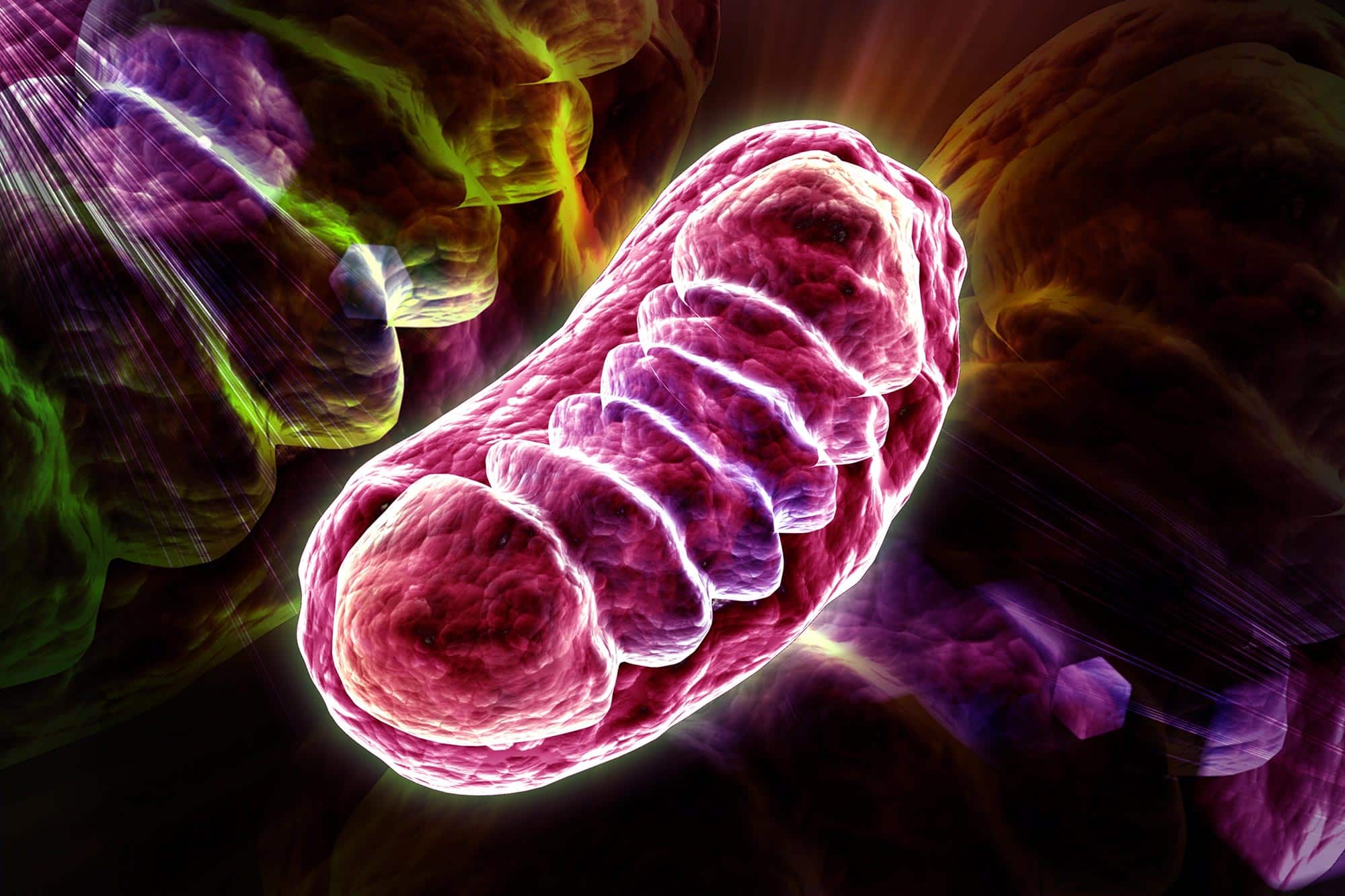
Mitochondria have always been the rock stars of cell biology. Often coined the ‘powerhouses of the cell,’ they’re celebrated for their role in energy production. However, recent discoveries reveal that these microscopic dynamos are not just churning out ATP. No, friends, they hold deeper secrets that could redefine our understanding of cancer’s dark mysteries. This new research from Rockefeller University uncovers a clue inside our cells that links mitochondrial activity with the deadly spread of cancer. Let’s dive into this labyrinth of cellular intrigue.
The Marvelous Mitochondria: Beyond Energy Production
Before we journey into the uncharted waters of cancer metastasis, let’s revisit what mitochondria do best—fueling life. These organelles are like tiny power plants, converting nutrients into usable energy, driving countless processes that keep us ticking. But, as scientists peeked beneath the mitochondrial exterior, astonishment awaited: they hold a clandestine role in cancer spread. The focus of our tale: the antioxidant glutathione.
Glutathione: The Unsuspecting Player in Cancer Metastasis
Imagine the scene: amidst the bustling chaos of cellular life, glutathione emerges from the crowd. Known for its antioxidant prowess, protecting cells from oxidative stress, thankfully aiding detoxification, and even supporting immune function, glutathione seemed like an innocent bystander. However, appearances can be deceiving.
In normal circumstances, glutathione restores balance within cells. But within the dark corridors of cancer, it transforms into an accomplice for metastatic mischief. Scientists discovered elevated levels of mitochondrial glutathione in breast cancer cells that managed to breach the lung’s defenses—a finding that could change the rules of the cancer game.
The Great Mitochondrial Migration: Understanding Metastasis
Here’s an astonishing fact: most cancer deaths arise not from the original tumor but from invasive cells exploring new territories. Metastasis, the sinister spread of cancer, remains a perplexing puzzle for researchers. How do these renegade cells break free, traverse the body’s vast landscape, and colonize new homes?
Researchers dissected the cellular mechanisms at play, employing a clever protein-tagging technique to differentiate between homebodies and adventurers—the cancer cells that stayed put versus those that ventured into foreign tissues. It turns out, glutathione—bolstered by a transporter named SLC25A39—is keystoned in this journey.
SLC25A39: The Transporter of Truth
In the molecular tale of intrigue, SLC25A39 plays a central role, shuttling glutathione into the mitochondria, an essential step for breast cancer cells to conquer the lung. Imagine this transporter as a gatekeeper, not just opening the gates but regulating the flow of glutathione and, consequently, the fate of cancer cell migration.
This tantalizing discovery underscores the idea that mitochondrial metabolites are more than mere nutrients. They are potent signals orchestrating cell behavior, sometimes to devastating ends.
From Discovery to Potential Therapy: A Hopeful Horizon
Our journey through the cell’s power plant hasn’t been without purpose. This research, shimmering with hope, suggests a new therapeutic horizon—targeting glutathione’s entry into mitochondria. Could there be a future where a small molecule halts metastasis, sparing lives from cancer’s relentless reach with fewer side effects?
The challenge lies in crafting precise tools to block or modulate SLC25A39, a task passionately pursued by the scientific community, armed with newfound knowledge and unyielding determination.
Science as a Beacon of Inspiration
Why should this matter to you, dear explorers of knowledge? Because this isn’t just about science unlocking the mysteries of life; it’s about inspiration, resilience, and the relentless pursuit of understanding. It’s about humankind’s ceaseless quest to turn the tides against the unknown, transforming fear into empowered action.
Knowledge, as wielded by brilliant minds, carves pathways to hope. From researchers peering through microscopes to those battling cancer, it’s a community interconnected by a profound mission to heal, discover, and inspire.
Connecting Through Curiosity: A Call to Action
Intrigued by the dance of metabolites? Astounded by the elegance of cellular processes? Let’s foster curiosity, keep questioning, and stay informed. Subscribe to science updates, discuss discoveries, ignite conversations with friends, and remain vigilant participants in the epic saga of biological research.
Every nugget of curiosity, every spark of inquiry contributes to a tapestry of understanding, reminding us that together, we can illuminate the darkest corners of biology.
Concluding Thoughts: Celebrating Discovery
In crafting this narrative, we’ve journeyed across the scientific landscape, delving into cells, mitochondria, and cancer. We’ve uncovered the nuanced dance of molecules, the interplay of transporters, and the relentless curiosity driving research forward. Here’s to celebrating discovery, cherishing every breakthrough, and heralding the unsung wonders that reside invisibly within us all.
Science, with its surprises and revelations, is a testament to the resilience of the human spirit—a reminder that for every mystery uncovered, countless more await discovery. As we stand on the precipice of understanding and innovation, let’s stride forward with courage, hope, and an unyielding passion for the unknown.
Be inspired. Be curious. Be a seeker of truth. And keep those mitochondria fueled—there’s much more to explore!
