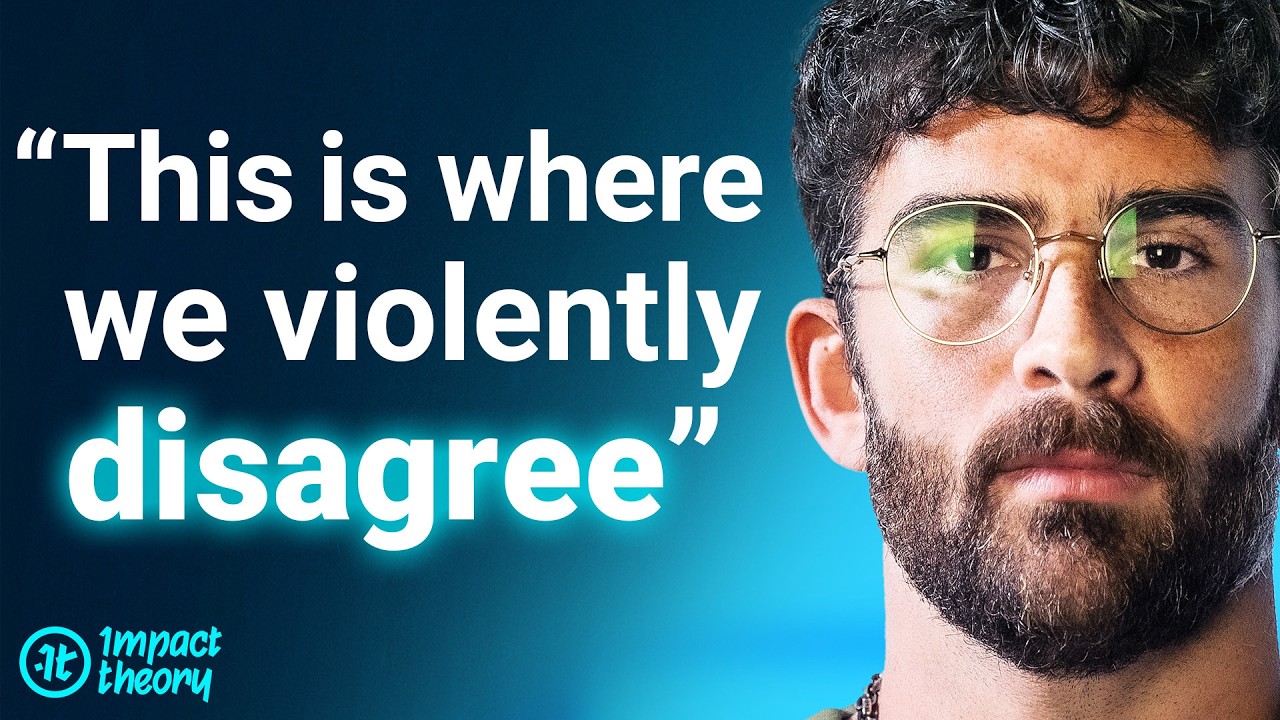
- Exploration of Hasan Piker and Tom Bilyeu’s differing perspectives on socialism and housing.
- Insight into the role of the Democratic Socialists of America (DSA) in political discourse.
- Examination of the issues facing America and areas where Piker and Bilyeu find common ground.
- Discussion of America’s socio-economic challenges, including diet, nutrition, and metabolic disorders.
Hasan Piker and Tom Bilyeu represent two influential voices with distinct perspectives on socio-economic issues. Their exchanges often highlight the contrasting views on socialism, housing policy, and political ideologies in America. Understanding these discussions requires an exploration of their philosophies, the role of political organizations like the Democratic Socialists of America (DSA), and an examination of larger societal challenges.
Hasan Piker, a known advocate for socialism, frequently challenges the status quo by discussing the redistribution of wealth and governmental intervention in providing social safety nets. He asserts that capitalism often prioritizes profits over people, leading to systemic inequalities. This perspective suggests a need for comprehensive reforms to address these disparities, particularly in housing.
The housing crisis in America is a focal point in many debates. Housing affordability and homelessness are rampant, exacerbated by policies that Piker argues favor landlords and property developers over tenants. Solutions, according to Piker, might include implementing rent controls and expanding public housing initiatives. These strategies aim to provide equitable living conditions and alleviate financial burdens on individuals.
Tom Bilyeu, on the other hand, often emphasizes personal responsibility and the entrepreneurial spirit. While he acknowledges systemic problems, Bilyeu highlights the importance of individual empowerment and self-improvement. He believes in creating opportunities through innovation and education rather than solely relying on government intervention.
Their dialogue often points to underlying socio-economic issues that both agree are pressing. America grapples with rising healthcare costs, disparities in education, and economic inequality. While they may differ in solutions, there is consensus regarding the problems’ existence. This common ground provides a platform for potential collaborative efforts or hybrid solutions.
The Democratic Socialists of America (DSA) plays a significant role in this dialogue by advocating for progressive reforms. The DSA supports policies like Medicare for All, the Green New Deal, and increased labor rights. Their growing membership indicates a shift in political engagement, particularly among younger generations who feel disillusioned by traditional political systems.
America’s socio-economic challenges are deeply intertwined with health issues like metabolic disorders. Poor diet and nutrition contribute to these ailments, often exacerbated by limited access to healthy foods and medical care in underserved areas. The prevalence of high-calorie, low-nutrient foods reflects broader economic disparities, leading to increased rates of obesity and diabetes.
Insulin sensitivity is an essential factor in managing metabolic health. Proper diet and regular physical activity can enhance insulin sensitivity, reducing the risk of developing metabolic diseases. Yet, socio-economic barriers restrict access to resources that support these lifestyle changes, perpetuating a cycle of poor health.
An integrated approach is necessary to address these intertwined issues. Ensuring equitable access to quality food, healthcare, and education aligns with both socialist and entrepreneurial strategies. Such approaches could involve community-based initiatives, public policies, and private sector innovations working in tandem.
In conclusion, the discussions between Hasan Piker and Tom Bilyeu reflect broader debates about America’s future. Their differing perspectives offer insights into possible pathways forward, emphasizing the need for a multifaceted approach to systemic challenges. By examining political ideologies, socio-economic policies, and health-related issues, a clearer understanding of potential solutions can emerge, guiding efforts to create a more equitable and prosperous society.
*****
Source Description
Tailor Brands: 35% off https://tailorbrands.com/podcast35
Paleovalley: BOGO at https://paleovalley.com/tom
Do you need my help?
STARTING a business: join me here inside ZERO TO FOUNDER (https://tombilyeu.com/zero-to-founder)
SCALING a business: click here to see if you qualify (https://tombilyeu.com/scale)
Get the exact systems, mindset shifts, and principles that built a $1B brand delivered straight to your inbox every week. Subscribe for free (https://tombilyeu.com)
Check out our Video game – Project Kyzen: (https://projectkyzen.io/)
Catch Me Streaming on Twitch – (https://twitch.tv/tombilyeu)
Link to IT discord: https://discord.gg/TZKJ2etPbT
Tom’s Favorite Things List: https://amzn.to/41Ftt7e
Welcome back to Impact Theory with Tom Bilyeu! In today’s episode, Tom sits down with Hasan Piker, one of the leading voices in online political commentary and streaming. Get ready for an unfiltered conversation that digs deep into the rising popularity of socialism among young people, the major flaws they both see in capitalism, and why so many are feeling like the economic game is rigged.
Tom and Hasan debate everything from wealth inequality and the roots of today’s housing crisis, to the role of government in innovation and regulation. Why are younger generations so drawn to socialism? Is the real problem unchecked capitalism, runaway banking practices, or something else? Hasan doesn’t hold back as he critiques corporate consolidation, banking bailouts, and the disconnect between capital owners and everyday workers. Tom challenges these points with his perspective on monetary policy, debt, and why he believes innovation thrives best in a free market.
The episode also dives into global models, discussing public housing in places like Vienna, Singapore, and China, lessons from America’s own past, and which policy ideas have the best chance of actually improving people’s lives. It’s a lively, thought-provoking clash of ideas—one that digs beneath the surface of today’s economic and political divides. Whether you lean left, right, or somewhere in between, you’ll want to hear how these two powerhouse thinkers map out the road ahead.
00:00 Intro
00:58 The Capitalism Problem
06:46 Divergent Views on Economic Solutions
12:37 Cultural Flaw in Business Responsibility
18:36 Elon Musk’s Manufacturing Genius Examined
22:52 Space Innovation: Government vs. Private Sector
27:06 Government-Controlled Land and Housing Dynamics
32:48 Texas Housing Market Trends
37:34 Critique of DSA’s Economic Goals
43:32 Labor Unions and Trade Protectionism
48:25 Misdiagnosis Leads to Wrong Solutions
55:12 Innovation Beyond Profit Motive
59:09 China’s Evolving Global Market Strategy
01:06:17 “Power, Governance, and Democratic Processes”
01:09:49 “Israel’s Unique Influence in US Politics”
01:15:55 “Wasteful Military Spending Critique”
01:22:34 Challenges of Building and Scaling Companies
01:29:15 Trump’s Sales Tax: A Regressive Policy
01:32:38 Unbreakable Global Economic Confidence
01:39:01 “Privatization vs. State Enterprises Debate”
01:42:13 “Challenges in Property Ownership”