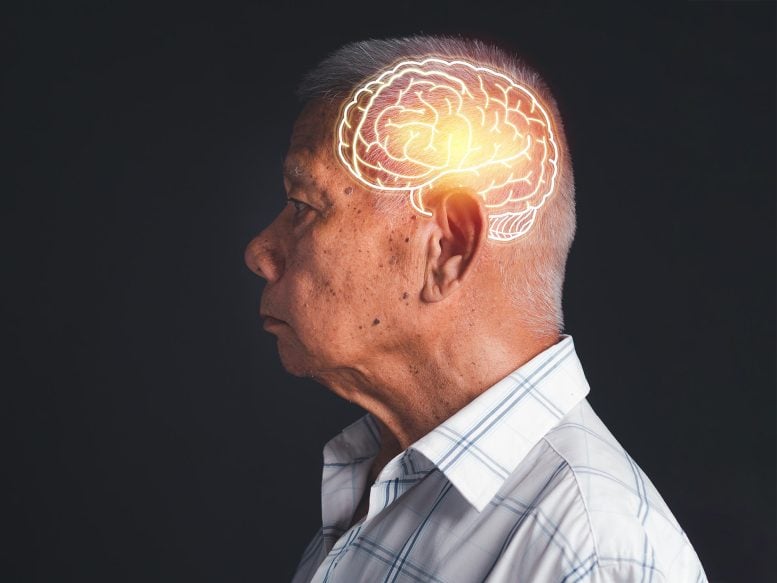
Summary of Your Own Immune Cells Could Be Involved in Parkinson’s:
Researchers at LJI have found that T cells might help identify Parkinson’s disease years before symptoms arise. T cells are vital for defending the body, but they can sometimes mistakenly attack healthy tissue, a problem seen in autoimmune diseases. This misdirected activity is now being explored as a potential early indicator of Parkinson’s.
*****
-
Immune Cells and Parkinson’s: Discover the dual role of T cells in defending against disease and potentially triggering Parkinson’s early.
-
Friendly Fire Phenomenon: Explore how sometimes our immune system mistakenly attacks healthy cells, leading to autoimmune challenges.
-
Early Detection Possibilities: Learn about the groundbreaking research by LJI scientists revealing that T cells can detect Parkinson’s before symptoms manifest.
-
Understanding Autoimmune Diseases: Uncover the complexities and significance of autoimmune responses within the body, particularly in relation to neurodegenerative diseases.
- Hope for the Future: Examine the implications of these findings for early diagnosis and potential advancements in treatment.
Unlocking the Mysteries of Your Immune Cells: A Fascinating Journey into Parkinson’s Disease Detection
In the ever-evolving landscape of medical research, a curious discovery often ignites a spark of hope—a beacon in the intricate dance of life and science. The intricate symphony within our bodies, composed of cells, molecules, and mysterious interactions, holds secrets to both our vitality and vulnerability. Among these enigmatic players are T cells, the sentinels of our immune system, standing guard against invaders. Yet, what if these defenders hold the key to unraveling the mystery of a neurodegenerative challenge like Parkinson’s disease?
Let us embark on a journey exploring how our own immune cells may be pivotal in early Parkinson’s detection, illuminating a path to potential breakthroughs in understanding and treating this condition.
The Guardians Turn Detectives
Your T cells are no strangers to action. Fierce protectors, they are constantly at the ready, discerning friend from foe among the countless entities in your body. Yet, recent research hints at an intriguing twist in their tale. Scientists at the La Jolla Institute for Immunology (LJI) have unearthed a profound discovery: these very cells, traditionally known for their role in defense, could moonlight as early detectors of Parkinson’s.
Imagine these cellular detectives picking up on molecular clues long before the hallmark motor symptoms of Parkinson’s make themselves known. Picture this: a silent alert, years ahead of the struggle with tremors or rigidity—a whisper of warning in a world of silent communication.
When Defenders Turn Aggressors
However, the story doesn’t end there. These vigilant guardians, our T cells, are not infallible. Occasionally, they misfire—a phenomenon often referred to as “friendly fire.” It’s not a tale of malice but rather a tragic case of mistaken identity, where the immune system, in all its might, inadvertently turns against the body it is meant to protect.
In the complex world of autoimmune diseases, this misdirection becomes a poignant theme. The collateral damage can be extensive, as the immune system, confused and misguided, targets healthy tissues. Understanding this dynamic is crucial, especially in diseases where the immune response wades into murky waters, mistaking neurons for foes, potentially triggering or exacerbating conditions like Parkinson’s.
A Prelude to Hope
Amid these intricate interactions, there lies a promise—a sweet irony that the very process contributing to disease progression might also pave the way for early detection. The potential for T cells to serve as early biomarkers for Parkinson’s is a revelation with immense implications.
Picture a future where early intervention is not just a dream but a reality—where treatments can be initiated before the devastating grip of the disease tightens. This research stands as a testament to the astonishing complexity of our biology and offers a glimmer of hope in the quest for understanding and combating neurodegenerative diseases.
Peeling Back the Layers of Autoimmunity
To grasp the magnitude of these findings, one must dive into the multifaceted world of autoimmune diseases. Autoimmunity, in all its complexity, is a tale of confusion—a bewildering symphony where the harmonious relationship between the immune system and the body becomes discordant.
At the heart of this discord is the immune system’s role not just in defending, but sometimes in misidentifying and thus attacking its own cells. In autoimmune diseases such as lupus, multiple sclerosis, or rheumatoid arthritis, this misplaced assault spells chaos. Understanding the ‘why’ and ‘how’ of these responses is crucial for those affected and offers insightful revelations for medical science.
Intriguing Implications for Neurodegenerative Disorders
The revelation that T cells may play a role in the pre-symptomatic phase of Parkinson’s presents us with a thrilling line of inquiry. It challenges the traditional boundaries and prompts us to question how neurodegenerative disorders are identified and addressed.
Imagine a world where Parkinson’s and similar conditions are detected through a simple immune profile—a world where treatment starts at the earliest whisper of disease inception. This paradigm shift could overhaul how we view chronic neurodegenerative diseases, opening doors to preventive care rather than reactive treatment.
Gazing into the Future of Medical Innovation
The implications of the LJI discovery extend beyond mere understanding. They herald a potential renaissance in medical technology and research—a territory brimming with possibilities for innovative diagnostic methods and targeted therapies.
In the grand tapestry of life and science, the fusion of immunology with neurology might very well reshape our approach to age-old challenges. Could we envisage a future where cell-based therapies are tailored to correct misconceived attacks before they deeply entrench?
The prospect is tantalizing, weaving together the fields of immunology, neurology, and even genetics. It is a compelling dance of disciplines united by a common goal: to conquer neurodegenerative diseases with precision and compassion.
The Call to Compassionate Action
As we unravel these scientific intricacies, we are reminded of a universal truth: knowledge is transformative. It is a candle in the darkness, a tool that empowers both the healer and the afflicted.
We find ourselves at a crossroads where our understanding of T cells, autoimmunity, and neurodegenerative diseases invites us to action—not just in labs, but in our offices, communities, and homes. Early diagnosis and awareness pave the way for intervention, advocacy, and support. It is a call to band together, to educate, and to innovate.
Inspiriting the Journey Forward
In conclusion, the road ahead may be challenging, steeped in the unknown, yet it is also brimming with promise. The remarkable discovery at LJI regarding T cells’ role in detecting Parkinson’s whispers of a future where adversity meets its match in human ingenuity and persistence.
As we equip ourselves with knowledge and kindle the flames of inquiry, let us savor the sweetness of progress and the hope it brings. After all, within the boundless dance of life and science, even the smallest actors—those tiny, vigilant T cells—play roles of staggering significance.
Let’s embrace this symphony, with all its crescendos and pauses, as we journey together into the marvelous realm of discovery and innovation. For in this journey, wrapped in layers of curiosity and courage, lies the essence of human triumph.