- Understanding Myosteatosis: What It Is and Why It’s Dangerous
- The Connection Between Myosteatosis, Diet, and Insulin Sensitivity
- Key Strategies to Reduce Myosteatosis Through Dietary Choices
- The Role of Exercise and Lifestyle Changes in Combating Myosteatosis
- Monitoring Progress and Maintaining Long-Term Muscle Health
Understanding Myosteatosis: What It Is and Why It’s Dangerous
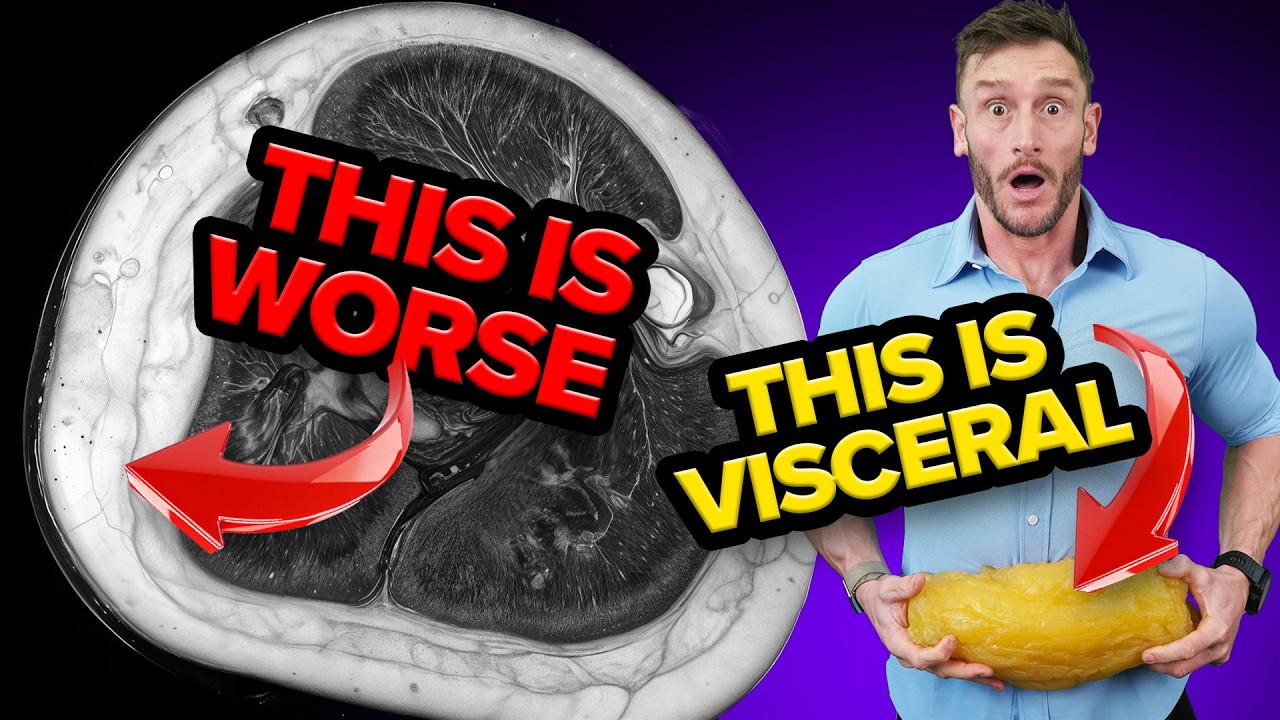
Myosteatosis is the pathological infiltration of fat within skeletal muscle tissue. Unlike subcutaneous or visceral fat, it is a type of ectopic fat deposition that significantly impacts metabolic functions and increases disease risk. Myosteatosis can disrupt muscle quality, affecting mobility and overall health, and is linked to insulin resistance, type 2 diabetes, and cardiovascular diseases.
This condition is gaining attention due to its severe implications. Fatty infiltration in muscle deteriorates its functionality, diminishing strength and flexibility. Studies indicate that individuals with higher levels of muscle fat are more prone to metabolic syndrome. The complexity stems from the dual role of muscles: they are crucial for movement and vital metabolic regulators.
The Connection Between Myosteatosis, Diet, and Insulin Sensitivity
The relationship between diet and myosteatosis is profound. High-calorie, nutrient-poor diets contribute to an increase in body fat and a decline in muscular health. Excessive intake of saturated fats and simple carbohydrates leads directly to ectopic fat deposition, impairing insulin signaling pathways.
Insulin sensitivity is crucial for glucose uptake by muscles. Myosteatosis can blunt this process, leading to elevated blood sugar levels. This condition creates a vicious cycle where poor diet fosters fat accumulation in muscles, which then exacerbates insulin resistance.
Key Strategies to Reduce Myosteatosis Through Dietary Choices
A balanced diet plays a pivotal role in managing muscle health. Prioritize whole foods rich in nutrients and fiber. Foods like leafy greens, nuts, seeds, and lean proteins improve muscle composition by reducing fat infiltration. Omega-3 fatty acids, found in fish and flaxseeds, are particularly beneficial for combating inflammation and promoting healthy fat metabolism.
Limiting sugars and refined carbohydrates is essential. Instead, emphasize complex carbohydrates like whole grains and legumes that provide sustained energy and stabilize blood sugar levels. Antioxidant-rich foods, including berries and colorful vegetables, support cellular health and reduce oxidative stress.
The Role of Exercise and Lifestyle Changes in Combating Myosteatosis
Physical activity is a cornerstone in the fight against myosteatosis. Resistance training enhances muscle mass and strength, reducing fat infiltration. Activities like weightlifting and bodyweight exercises stimulate muscle fibers, promoting their repair and growth. Aerobic exercises, such as cycling and running, help burn excess calories and improve cardiovascular health.
Integrating lifestyle changes, like regular sleep patterns and stress management, further supports muscle integrity. Chronic stress can elevate cortisol levels, contributing to fat storage in muscles. Embracing mindfulness practices and ensuring adequate rest can mitigate such effects.
Monitoring Progress and Maintaining Long-Term Muscle Health
Tracking muscle health requires a multifaceted approach. Regular assessments, such as body composition analyses and metabolic panels, can provide insights into how dietary and lifestyle changes are impacting muscle fat. Paying attention to markers of inflammation and glucose levels offers a clearer picture of metabolic health.
Long-term maintenance involves a commitment to healthy habits. Consistency in diet and exercise regimes, coupled with ongoing education about nutrition and wellness, sustains progress. Adjusting strategies as needed, based on the body’s responses, ensures the best outcomes in managing myosteatosis.
By focusing on these aspects, individuals can significantly enhance their muscle health and reduce the risks associated with myosteatosis. Understanding the interplay of diet, exercise, and lifestyle factors is key to overcoming this challenging condition.
*****
Source Description
Use Code THOMAS for 10% off Timeline Nutrition’s MitoPure:
http://timelinenutrition.com/thomas
This video does contain a paid partnership with a brand that helps to support this channel. It is because of brands like this that we are able to provide the content that we do for free.
Click HERE to Subscribe: https://www.youtube.com/c/ThomasDeLauerOfficial?sub_confirmation=1
Please check out the new Shorts channel, DeLauer Clips and Workouts, here: https://www.youtube.com/channel/UCQPQImPsw74KhO0Zy2-leyA/videos
Please Subscribe to my Email Newsletter Here: https://www.thomasdelauer.com/life-optimization-tactics/
Follow More of My Daily Life on Instagram: http://www.Instagram.com/ThomasDeLauer
References
https://www.sciencedirect.com/science/article/pii/S2589004224004425#fig1
https://www.nature.com/articles/s41467-024-47843-y?fromPaywallRec=true
https://journals.plos.org/plosone/article?id=10.1371/journal.pone.0234061
https://www.journal-of-hepatology.eu/article/S0168-8278(24)00355-6/fulltext
https://pmc.ncbi.nlm.nih.gov/articles/PMC3696991/
https://pmc.ncbi.nlm.nih.gov/articles/PMC6005727/
https://pmc.ncbi.nlm.nih.gov/articles/PMC7085431/
https://journals.physiology.org/doi/full/10.1152/japplphysiol.00738.2020
https://www.nature.com/articles/s41467-024-47843-y?fromPaywallRec=true
https://pmc.ncbi.nlm.nih.gov/articles/PMC2290206/
https://www.sciencedirect.com/science/article/abs/pii/S2405457723021526
https://journals.physiology.org/doi/full/10.1152/ajpendo.2001.280.3.E391
Timestamps ⏱
0:00 – Intro
1:04 – Intramuscular Fat
7:07 – 10% off Timeline Nutrition’s MitoPure
7:56 – Reducing Intramuscular Fat