- Understanding Insulin Resistance and Its Impact on Health
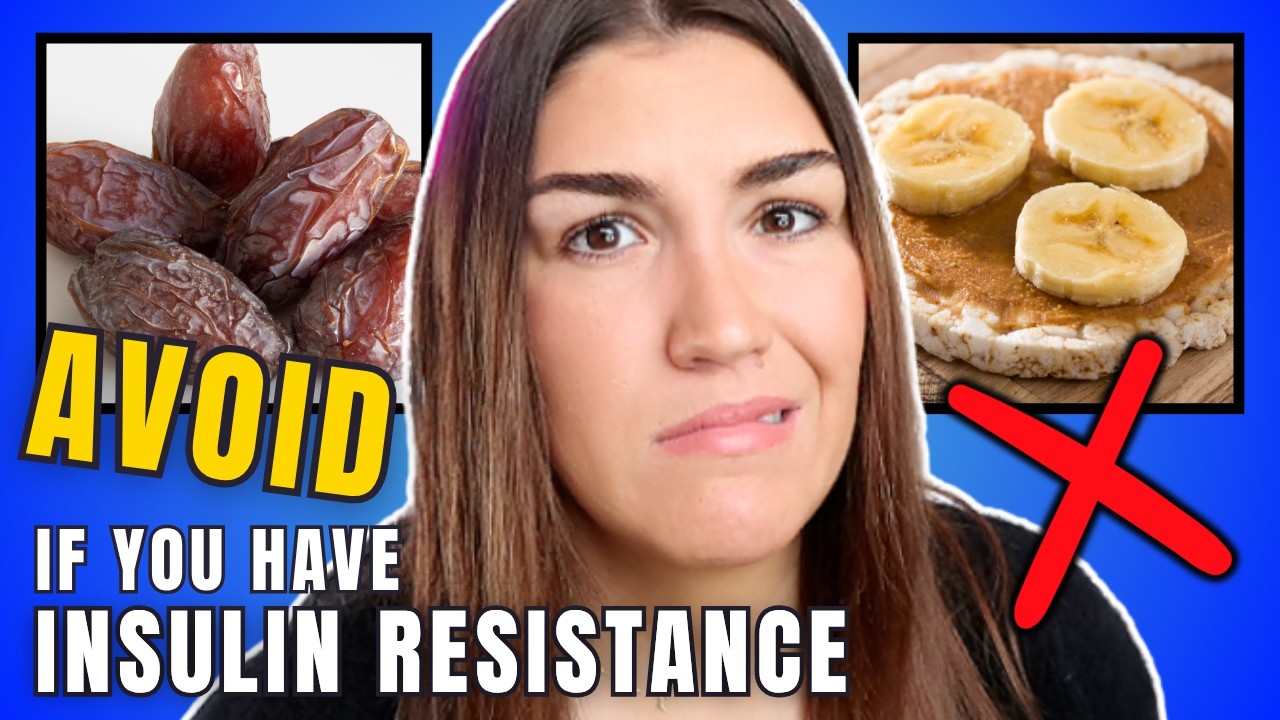
- Eight Foods to Eliminate for Better Insulin Sensitivity
- Nutritional Science Behind Insulin Resistance
- Strategies for Maintaining a Balanced Diet
- Practical Tips for Sustainable Lifestyle Changes
Insulin resistance is a physiological condition in which cells fail to respond effectively to insulin, a hormone that regulates blood glucose levels. Over time, this can lead to a host of metabolic disorders, including type 2 diabetes and obesity. Understanding the role of diet in managing insulin resistance is crucial for maintaining overall health and wellness.
Certain foods have been identified as major contributors to insulin resistance. Cutting these from your diet can help improve insulin sensitivity, thus aiding in the prevention and management of metabolic disease. Let’s explore eight specific foods to avoid if you’re looking to reverse insulin resistance.
Sugary Beverages: High sugar intake is a leading cause of insulin resistance. Drinks like soda, sweetened teas, and energy drinks are loaded with sugars that can cause a rapid spike in blood glucose levels. This excess sugar requires more insulin for metabolism, leading to stress on the pancreas and insulin desensitization over time. Opting for water, herbal teas, or other unsweetened beverages can significantly reduce sugar intake and improve insulin sensitivity.
Refined Carbohydrates: Foods such as white bread, pastries, and white rice are high in refined carbohydrates. These are stripped of fiber and nutrients, causing quick digestion and absorption, spiking blood sugar and prompting increased insulin secretion. Whole grains are a better alternative as they digest more slowly, keeping blood sugar levels steady and reducing the demand for insulin.
Trans Fats: These artificial fats are found in many processed foods like margarine, snack foods, and baked goods. Trans fats are known to cause inflammation and worsen insulin resistance. Eliminating foods with trans fats and choosing healthier fats, such as those found in nuts, seeds, and avocados, can improve metabolic health.
Red and Processed Meats: Some studies suggest that high consumption of red and processed meats can increase inflammation and worsen insulin resistance. Opting for lean proteins such as chicken, fish, or plant-based proteins can help reduce this risk. Incorporating more plant-based meals can improve diet quality and enhance insulin sensitivity.
Fried Foods: Eating fried foods can increase the intake of unhealthy fats and calories, contributing to weight gain and insulin resistance. These foods are often cooked in oils that are high in unhealthy fats, which can exacerbate metabolic issues. Baking, grilling, or steaming are healthier cooking methods that preserve nutritional content without adding harmful fats.
High-Fructose Corn Syrup (HFCS): Found in many processed foods and beverages, HFCS can lead to insulin resistance by increasing fat accumulation in the liver and driving inflammation. Reducing or eliminating consumption of products containing HFCS can be a step toward better insulin management.
Dairy Products High in Saturated Fat: While dairy can be a part of a healthy diet, full-fat options often contain high levels of saturated fats that can worsen insulin resistance. Choosing low-fat or non-fat dairy products can provide calcium and vitamins without the added risk.
Alcohol: Excessive alcohol consumption can interfere with insulin regulation and glucose metabolism. Keeping alcohol intake moderate or within recommended guidelines can help support metabolic health. Opt for low-sugar alcoholic beverages if consumed, or better yet, choose alcohol-free options.
The science behind insulin resistance emphasizes the impact of diet quality on hormone regulation and inflammation. Nutrients play a vital role in either exacerbating or alleviating insulin resistance. The glycemic index of foods, for instance, is crucial in understanding how different carbohydrates affect blood glucose levels. Lower glycemic index foods release glucose more slowly, thereby reducing insulin spikes.
Incorporating more fiber-rich foods, such as vegetables, beans, and whole grains, can greatly enhance your diet. These foods improve digestive health, enhance satiety, and lead to improved glycemic control. Likewise, omega-3 fatty acids, found in fish and flaxseeds, have anti-inflammatory effects that can benefit insulin sensitivity.
Adopting a balanced diet is a cornerstone of reversing insulin resistance. This involves a conscious effort to integrate whole, unprocessed foods while eliminating those that hinder insulin function. However, diet alone is not the sole answer. Regular physical activity is known to enhance insulin sensitivity by improving muscular glucose uptake and reducing inflammation. This dual approach of diet and exercise provides a robust foundation for metabolic health.
Making sustainable lifestyle changes can feel challenging, but practical steps can make this transition smoother. Begin with small, manageable adjustments in your eating habits. Gradually increase the intake of fruits, vegetables, and whole grains while reducing portions of high-risk foods. Reading food labels carefully can also help in identifying hidden sugars and unhealthy fats.
Furthermore, mindful eating practices contribute significantly to healthier dietary habits. This means eating slowly, savoring each bite, and paying attention to hunger and fullness cues. By being more attuned to your body’s needs, you diminish the likelihood of overeating and make more conscious food choices.
Building a support system is another key element. Engaging with community resources, nutritionists, or support groups can provide motivation and accountability. Education and continuous learning about nutrition empower you to make informed decisions consistently.
Lastly, maintaining regular health check-ups can monitor your progress effectively. Blood tests such as fasting insulin or glucose tolerance tests can give insights into how well you’re managing insulin resistance. Early detection and intervention can prevent the progression to more serious conditions.
In conclusion, being informed about the foods that exacerbate insulin resistance and adopting strategies to improve insulin sensitivity can be transformative for your health. Implementing these changes involves dedication and awareness, but the benefits to your well-being make it an investment worth pursuing. Embrace the knowledge and tools to take control of your metabolic health, ensuring a healthier future.
*****
Source Description
Are you eating foods that are secretly making your insulin resistance worse? In this video, I’m revealing 8 common “health” foods that spike insulin, worsen cravings, and stall fat loss. If you’re trying to reverse insulin resistance or manage prediabetes naturally, you need to know what to avoid.
Protein powder https://hckait.com/equip
🩸 3-Day Blood Sugar Reset ➡️ https://healthcoachkait.com/bloodsugarreset
⚠️ 7-Day Insulin Resistance Masterclass ➡️ https://healthcoachkait.com/IRmasterclass
🎧 Healthy Not Complicated Podcast ➡️ https://hckait.com/podcast
Hi, I’m Kait Malthaner (aka Health Coach Kait)! As a certified health and nutrition coach specialising in blood sugar control and reversing insulin resistance, I’m here to simplify your health journey. My videos cover topics like lowering blood sugar, A1c, and blood pressure, reversing insulin resistance and PCOS, weight loss, abdominal fat loss, and more. Getting healthy doesn’t have to be complicated—small changes lead to big results. Start reversing insulin resistance with me today!
Recommended Products and Discount Codes
🩸 At-Home Insulin Resistance Test (Code: KAIT10) ➡️ https://hckait.com/getsowell
🧂 Electrolytes (Code: HCK15) ➡️ https://hckait.com/sodiielectrolytes
💫 Berberine (Code: KAIT10) ➡️ https://hckait.com/getsobalanced
🩷 Inositol (Code: KAIT10) ➡️ https://hckait.com/getsosynced
🚨 Red Light Therapy (Code: HCK15) ➡️ https://hckait.com/rlt
💦 Sauna Blanket (Code: HCK15) ➡️ https://hckait.com/sauna
🥤 Blood Sugar Balancing Drinks (Code: KAIT15) ➡️ https://hckait.com/goodidea
💪 Clean Whey Protein (Code: HCK15) https://hckait.com/protein
📱 Continuous Glucose Monitor USA (Code: KAIT30) ➡️ https://hckait.com/nutrisense
🔥 Continuous Ketone Monitor (Code: KAIT15) ➡️ https://hckait.com/ckm
0:00 Intro
1:18 Gluten-free products
2:40 Dried fruit
4:01 Smoothie bowls
5:13 Chickpeas and hummus
6:09 Rice cakes
7:05 Oat milk
7:53 Protein pasta
8:33 Fruit juice
Disclaimer:
This video is for general informational purposes only and should never be considered a substitute for professional medical advice. Always consult your doctor or a qualified healthcare professional for any questions about your health or medical condition. Some links above are affiliate links, meaning I may earn a small commission at no extra cost to you. I only recommend products I use, trust and love.