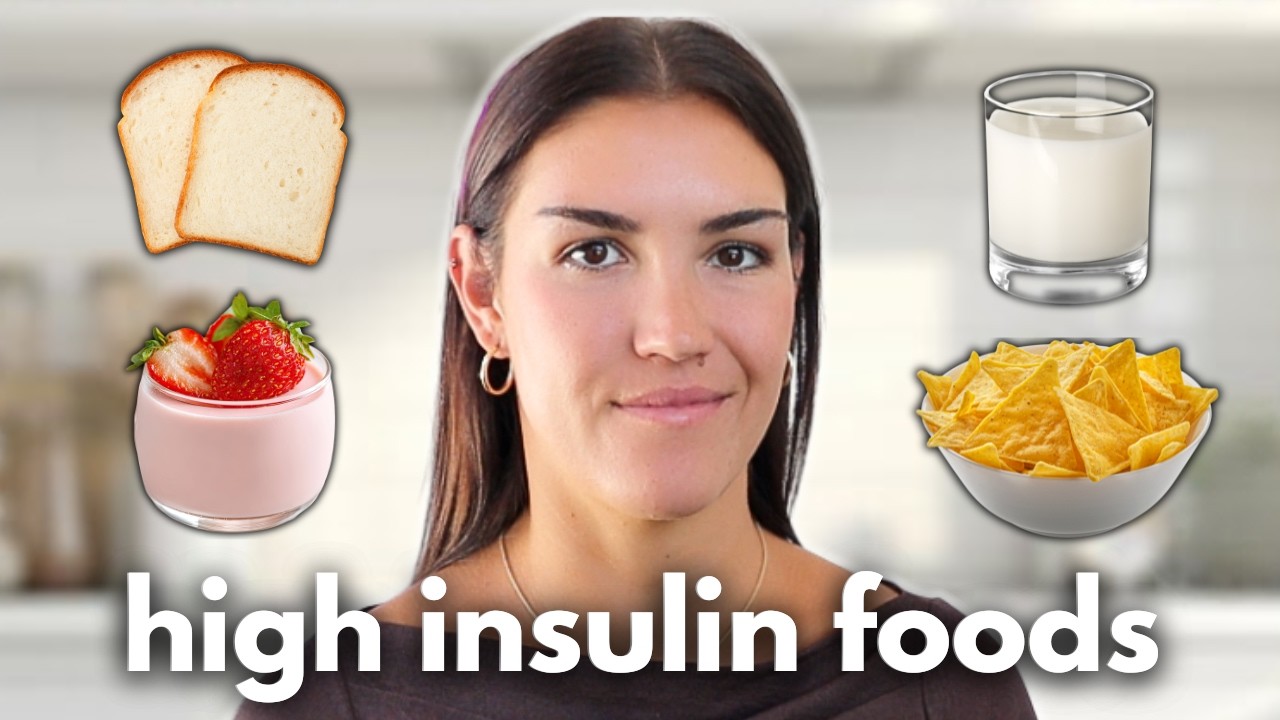
- Understanding insulin resistance and its implications on health
- The role of diet in managing insulin sensitivity
- Eight specific foods to avoid to help reverse insulin resistance
- Alternatives and healthier options to consider
- The importance of a holistic approach to reversing insulin resistance
Insulin resistance occurs when the body’s cells become less responsive to insulin, a hormone crucial for glucose regulation. This condition can lead to elevated blood sugar levels, increasing the risk of Type 2 diabetes and other metabolic disorders. The importance of diet cannot be understated in this context, as certain foods can exacerbate insulin resistance, while others can improve metabolic health.
An effective strategy for managing insulin resistance involves educating oneself about food choices and nutritional impacts. The following eight foods are known for contributing to insulin resistance and should be avoided for a more successful disease management plan.
Refined carbohydrates are among the worst offenders when it comes to insulin sensitivity. These foods, which include white bread, pastries, and pasta made from white flour, quickly convert to sugar in the bloodstream. This rapid spike in blood sugar triggers a significant insulin response. Over time, if the body continually faces these insulin surges, cells may become less responsive, fostering an environment for insulin resistance. Instead of refined carbs, opting for whole grains and foods high in fiber can have a more favorable effect by slowing the absorption of sugar and helping to stabilize blood glucose levels.
Sugary beverages pose another significant barrier to reversing insulin resistance. Drinks like soda, sweetened teas, and energy drinks often contain high amounts of simple sugars, which can lead to heightened blood sugar levels. These beverages not only lack nutritional value but also contribute to excess calorie consumption, which can encourage weight gain—a risk factor closely associated with insulin resistance. Water, herbal teas, or drinks sweetened with natural alternatives like stevia offer healthier hydration options without compromising metabolic health.
Next on the list are processed meats, such as bacon, sausages, and deli meats. These products are often high in saturated fats and sodium and can promote inflammation in the body. Studies indicate that consistently consuming processed meats can lead to an increased risk of developing insulin resistance over time. Choosing lean, unprocessed protein sources like chicken, turkey, fish, or plant-based options can support overall metabolic health and improve insulin sensitivity.
Fried foods can similarly impact insulin sensitivity negatively. Items such as french fries, fried chicken, and doughnuts are typically cooked in oils high in unhealthy fats. These trans and saturated fats are linked to systemic inflammation, a condition known to inhibit insulin action. Switching to cooking methods such as baking, steaming, or grilling, and utilizing healthier oils like olive or avocado oil can help mitigate these risks and promote better insulin responses.
High-sugar snacks are another category deserving attention. Items like candy bars, cookies, and cakes may provide immediate energy but are devoid of essential nutrients. These snacks contribute to insulin spikes and can lead to cravings, setting off a detrimental cycle affecting blood sugar regulation. Healthy snacks, such as nuts, seeds, or fruit, can satisfy hunger while providing essential nutrients and stabilizing blood sugar levels.
Dairy products high in fat, such as whole milk, cream, and certain cheeses, can also be problematic for those trying to reverse insulin resistance. Full-fat dairy has been associated with increasing insulin levels. Opting for low-fat or non-dairy alternatives, such as almond or oat milk, can provide the same calcium and vitamin D benefits with less impact on insulin sensitivity.
Refined vegetable oils, often found in processed foods and salad dressings, can disrupt insulin function. These oils, like canola, soybean, and corn oil, have high omega-6 fatty acid content, which can lead to inflammation and further weaken insulin response. Choosing healthier fat sources such as olive oil, coconut oil, or avocado oil offers beneficial omega-3 fatty acids and promotes better metabolic function.
Lastly, excessive alcohol consumption can impact insulin sensitivity adversely. While moderate drinking may have some health benefits, overeating alcohol interferes with glucose regulation. It can lead to poor food choices and contribute to weight gain, compounding the problem of insulin resistance. Limiting alcohol consumption to moderate levels or seeking alternatives like non-alcoholic beverages can support efforts to improve insulin sensitivity.
Being mindful of dietary choices can significantly influence insulin sensitivity and overall health. It is essential to take a holistic approach to managing insulin resistance, incorporating regular physical activity and stress management practices in addition to dietary adjustments.
Making informed food choices is a fundamental step toward reversing insulin resistance. By eliminating the above-mentioned foods and incorporating healthier alternatives, individuals can take control of their metabolic health.
Understanding the link between diet and insulin sensitivity can empower individuals to make better health decisions. Enhanced awareness of the foods that impact insulin function can lead to a positive feedback loop, where better choices lead to improved metabolic responses and overall well-being. Building a balanced, nutritious diet supports not just insulin resistance reversal but overall health, promoting longevity and vitality.
*****
Source Description
What foods should you avoid if you want to reverse insulin resistance? In this video, I break down 8 common foods that can spike blood sugar, increase insulin levels, and make it harder to see progress, including both obvious ones and “healthy” foods that might surprise you.
🥤 Equip protein powder (20% off) https://hckait.com/equip
I also explain why protein should be the foundation of your meals, and how small swaps can make a big difference without needing to be perfect.
If your goal is to lower insulin, stabilise blood sugar, and improve metabolic health, this is what to avoid, and what to do instead.
———–
*MY METABOLIC TOOLKIT*
💫 Berberine (10% off: KAIT10): https://hckait.com/getsobalanced
🧂 Electrolytes (15% off): https://hckait.com/sodiielectrolytes
🥤 Protein powder (20% off): https://hckait.com/equip
🍳 Non-toxic cookware (15% off): https://hckait.com/misen
🩸 At-home insulin resistance test (10% off: KAIT10) https://hckait.com/getsowell
🔥 Continuous glucose monitor (25% off): https://hckait.com/signos
🚨 Red light therapy ($260 off): https://hckait.com/rlt
☕️ MCT oil: https://hckait.com/bulletproof
*WATCH NEXT*
*SOCIAL LINKS*
Instagram: https://instagram.com/healthcoachkait
TikTok: https://tiktok.com/@healthcoachkait
Facebook: https://facebook.com/.com/healthcoachkait
*COACHING*
7-Day Insulin Resistance Masterclass https://hckait.com/IRmasterclass
*TIME STAMPS*
0:00 Intro
0:32 Food 1: Sugary drinks
1:04 Food 2: Oat milk
1:43 Food 3: Cereal
2:08 Food 4: Fruit smoothies
2:51 Food 5: Protein powder
4:06 Food 6: Flavoured yogurt
4:30 Food 7: White bread
4:55 Food 8: Chips and ultraprocessed snacks
*ABOUT ME*
Hi, I’m Kait Malthaner (aka Health Coach Kait), a certified health and nutrition coach specialising in blood sugar balance and reversing insulin resistance. I help you simplify health so you can naturally lower blood sugar, A1c, and blood pressure, lose stubborn belly fat, and feel your best again. Getting healthy doesn’t have to be complicated. Small changes lead to big results.
Disclaimer: This video is for informational purposes only and is not a substitute for professional medical advice. Always consult your doctor regarding any medical concerns. Some links are affiliate links, meaning I may earn a small commission at no extra cost to you. I only recommend products I personally use, trust, and love.
#InsulinResistance #Prediabetes #HealthCoachKait