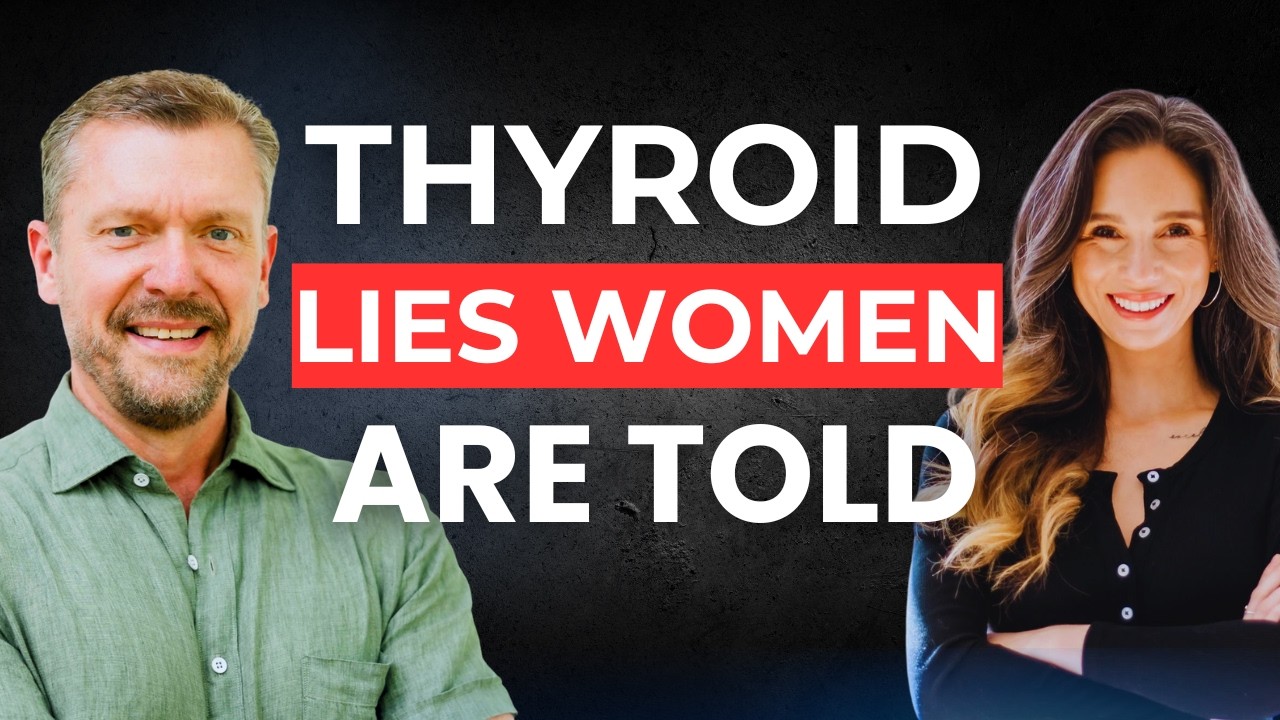
- Common myths surrounding thyroid health
- The implications of thyroid function on metabolism
- Understanding the importance of iodine and dietary factors
- Clarifying the relationship between thyroid hormones and insulin sensitivity
- Q&A addressing misconceptions about thyroid treatments
The thyroid gland plays a crucial role in regulating various metabolic processes, from growth and energy expenditure to mood and overall well-being. Despite its importance, misinformation frequently clouds the understanding of thyroid health. This article aims to clarify seven common myths about thyroid functionality and treatment, and provide a comprehensive resource for those interested in better understanding their metabolic health.
One prevalent myth is the idea that hypothyroidism, or an underactive thyroid, is solely related to low iodine intake. While iodine is essential for the production of thyroid hormones, many people in developed countries consume sufficient iodine through their diets. If iodine levels are adequate, other factors may contribute to thyroid dysfunction. Autoimmune diseases, particularly Hashimoto’s thyroiditis, are increasingly recognized as significant contributors to hypothyroidism. This autoimmune condition causes the immune system to attack the thyroid, impairing hormone production.
Another misleading belief is that thyroid conditions only affect women. Statistically, women are more frequently diagnosed with thyroid disorders, but men and children are also susceptible. Approximately 10% of men will face thyroid-related issues at some point in their lives. Heightened awareness is essential so that men can monitor for symptoms like fatigue, weight fluctuations, and mood changes.
Some people erroneously think that treating thyroid conditions is straightforward and effective solely through medication. While hormone replacement therapies can alleviate symptoms, they do not necessarily address underlying causes. Nutritional deficiencies, such as selenium and zinc, can impact thyroid health. It’s critical that individuals work closely with their healthcare providers to explore both medical and lifestyle interventions to achieve long-term balance.
The belief that all soy products harm thyroid function is another misconception. Soy contains isoflavones, which may interfere with thyroid hormone production when consumed in large amounts, especially in individuals with existing thyroid issues. However, moderate consumption of soy in a healthy diet is generally safe and can offer some health benefits. It is essential to factor in overall dietary patterns and individual food sensitivities when evaluating the impact of soy.
A common misunderstanding is that thyroid problems only cause weight gain. In reality, the effect of thyroid imbalances on weight can vary significantly. Hypothyroidism often leads to weight gain due to a slowed metabolism, but it can also present weight loss if hyperthyroidism, or an overactive thyroid, is at play. The interplay between thyroid function and metabolism is intricate, emphasizing the need for comprehensive testing and personalized treatment plans.
To complicate matters further, many believe that once they are on thyroid medication, they are free of thyroid-related concerns. This thinking can lead to complacency regarding regular monitoring and lifestyle management. Medication can normalize hormone levels, but symptoms can still persist if other contributing health factors, such as stress, diet, or insulin sensitivity, are not addressed. Ongoing evaluations with healthcare professionals are vital for adapting treatment plans.
Insulin sensitivity is an aspect often neglected when discussing thyroid health. Many who experience thyroid dysfunction also notice changes in their insulin sensitivity, which can lead to issues like weight gain or difficulty managing blood sugar levels. Improving insulin sensitivity can mitigate some symptoms commonly associated with thyroid disorders. Diet plays a significant role in this relationship, where incorporating whole foods, healthy fats, and fiber can assist in stabilizing blood sugar and supporting metabolic health.
In a Q&A format, let’s address some common queries related to thyroid myths:
Q: Can thyroid medication alone resolve all my problems?
A: While medication can help balance thyroid hormone levels, it’s crucial to also focus on lifestyle factors such as diet, exercise, and stress management. Comprehensive care integrates multiple dimensions of health.
Q: Is iodine supplementation necessary for everyone?
A: Not necessarily. Iodine needs may vary based on individual dietary habits and existing health conditions. Consulting with a healthcare provider can help identify if supplementation is needed.
Q: Are all thyroid supplements effective?
A: Not all supplements have the same efficacy, and some can interact with medications. It is crucial to discuss any supplementation with a healthcare professional to ensure safety and effectiveness.
Q: How do I know if my thyroid is functioning well?
A: Regular blood tests measuring thyroid hormone levels (TSH, T3, and T4) alongside clinical evaluation of symptoms can provide a comprehensive picture of thyroid health.
Q: Can changing my diet help my thyroid health?
A: Yes, dietary changes can influence thyroid health. Including foods rich in selenium and zinc, while managing overall caloric intake, can support thyroid function.
Navigating thyroid health requires vigilance, education, and collaboration with healthcare professionals. Understanding the myths surrounding thyroid issues empowers individuals to take proactive steps towards improved health. By debunking these misperceptions, we enhance our ability to manage thyroid conditions effectively.
*****
Source Description
Thyroid health is super important and is often neglected by average doctors. Which thyroid symptoms are important? Which thyroid labs are mandatory? Which thyroid medications are best? All this and more plus your questions.
⭐️Find more information about the PHD Community here : https://phdhealth.community
FREE downloadable Proper Human Diet GUIDEBOOK: https://www.drberry.com/guidebook
Become a Certified PHD Health Coach: phdhealthcoachacademy.com
American Diabetes Society: https://www.americandiabetessociety.org/
Low-carb, Keto, Ketovore, & Carnivore consisting of real, whole, nutrient-dense foods are on the Proper Human Diet spectrum. Lose weight, reverse diabetes, eradicate fatty liver, and More
ANCESTRAL SUPPLEMENTS (LIVER, ETC): http://ancestralsupplements.com/drberry (DISCOUNT CODE: drberry)
DAILY MINERALS: https://saltt.com/ref/DrB (discount)
LIES MY DOCTOR TOLD ME: https://amzn.to/2XvNNZm
COMMON SENSE LABS book: https://amzn.to/4eD5Emt
PHD Merch: https://www.drberry.com/shop (T-Shirts, Tanks, Hoodies, etc)
Great Keto Recipes: https://cookingketowithfaith.com/
Eat Real MEAT: https://bit.ly/USmeatDiscount (discount = BERRY)
Pluck Organ Seasonings code = DRKEN for 25% off https://eatpluck.com
Support Our Mission: https://bit.ly/DrBerrysCommunity
LMNT electrolytes: drinklmnt.com/Neisha (free gift)
Our Farm Channel: @drberryfarms
Best JERKY I’ve tasted: https://matthatjerky.com/?ref=_vgzta3…
Awesome Coffee roasted in Tennessee: https://hollerroast.com/?ref=keto (discount)
Disclaimer: Nothing in this video is Medical Advice. Dr. Berry does not diagnose, treat, or prevent any medical conditions online; instead, he helps people better understand their health and ways to avoid health problems and promote wellbeing. Make sure you are working with YOUR provider to monitor your health and medications. These posts and videos are not designed to, and do not provide medical advice, professional diagnosis, opinion, treatment, or services to you or to any other individual. As an Amazon Affiliate, I earn from purchases.