- Understanding insulin and its role in the body, particularly in relation to carbohydrate intake and insulin sensitivity.
- Examining foods that can lower insulin levels despite containing carbohydrates, supported by scientific evidence.
- Exploring the unique properties of these foods and their impact on metabolic health.
- Highlighting the importance of diet diversity and how these foods can fit into a balanced nutritional plan.
- Discussing potential benefits and considerations for including these foods in a health-conscious diet.
Insulin plays a critical role in regulating blood sugar levels. When we consume carbohydrates, they are broken down into glucose, which enters the bloodstream. Insulin facilitates the entry of glucose into cells, where it can be used for energy. However, chronic high insulin levels can lead to insulin resistance, a precursor to conditions such as type 2 diabetes. Understanding the relationship between diet and insulin sensitivity can have profound effects on metabolic health.
Despite their carbohydrate content, certain foods are known to lower insulin levels. Understanding their unique properties can offer insights into managing insulin sensitivity effectively. Here, we explore five surprising foods that can lower insulin levels, supported by scientific research.
One such food is sweet potatoes. Unlike regular potatoes, sweet potatoes have a lower glycemic index, meaning they cause a slower and more gradual rise in blood sugar levels. This leads to a reduced insulin response, making them an excellent choice for individuals looking to manage their insulin levels. Rich in dietary fiber, sweet potatoes also promote a slower absorption of glucose in the intestines, further aiding in insulin control. Additionally, they contain antioxidants like beta-carotene, which help reduce inflammation, a factor often linked with insulin resistance.
Chickpeas are another beneficial food. They contain complex carbohydrates and fiber, which support steady glucose absorption and maintain insulin balance. Studies indicate that consuming chickpeas improves insulin sensitivity and reduces glucose levels in the blood. They are also rich in protein, which aids in maintaining muscle mass, particularly important for metabolic health. Including chickpeas in meals can help create a sense of fullness, reducing the intake of sugary snacks that spike insulin.
Oats, widely consumed in various diets, have properties that help lower insulin. This is due to the presence of beta-glucan, a soluble fiber that creates a gel-like substance during digestion. This process slows glucose absorption, prompting a lower insulin response. Consuming oats has been linked to improved insulin sensitivity, as well as reduced cholesterol levels. Rolled or steel-cut oats, as opposed to instant varieties, provide a more gradual release of glucose, offering greater benefits for insulin management.
Quinoa, often regarded as a superfood, is packed with nutrients that aid in controlling insulin. As a complete protein, it provides all essential amino acids, offering benefits beyond conventional grains. Its low glycemic index ensures that it releases sugar slowly, minimizing insulin spikes. Quinoa also contains magnesium, a mineral that enhances insulin action, further supporting metabolic health.
Lastly, berries, particularly blueberries and strawberries, are rich in antioxidants and polyphenols. These compounds have been shown to improve insulin sensitivity. Berries have a low glycemic load, ensuring a minimal impact on blood sugar levels despite their sweetness. Their anti-inflammatory properties play a crucial role in enhancing insulin function and supporting overall metabolic health.
Incorporating these foods into a balanced diet offers various health benefits. Diversifying food choices ensures a range of nutrients that work synergistically to improve insulin sensitivity. While these foods assist in managing insulin levels, they should be part of a broader nutritional strategy.
When considering these dietary choices, it is essential to maintain variety and monitor portion sizes. Consulting with healthcare professionals can provide personalized guidance, ensuring dietary decisions align with individual health goals and conditions.
Consuming foods that lower insulin levels is a proactive step in supporting metabolic health. The surprising ability of these carbohydrate-containing foods to improve insulin sensitivity highlights the importance of informed dietary choices. By integrating foods such as sweet potatoes, chickpeas, oats, quinoa, and berries into daily meals, individuals can enjoy both their nutritional benefits and potential improvements in managing insulin.
*****
Source Description
Inositol can help improve insulin sensitivity! Try it now and save 10% with code: KAIT10 https://hckait.com/getsosynced
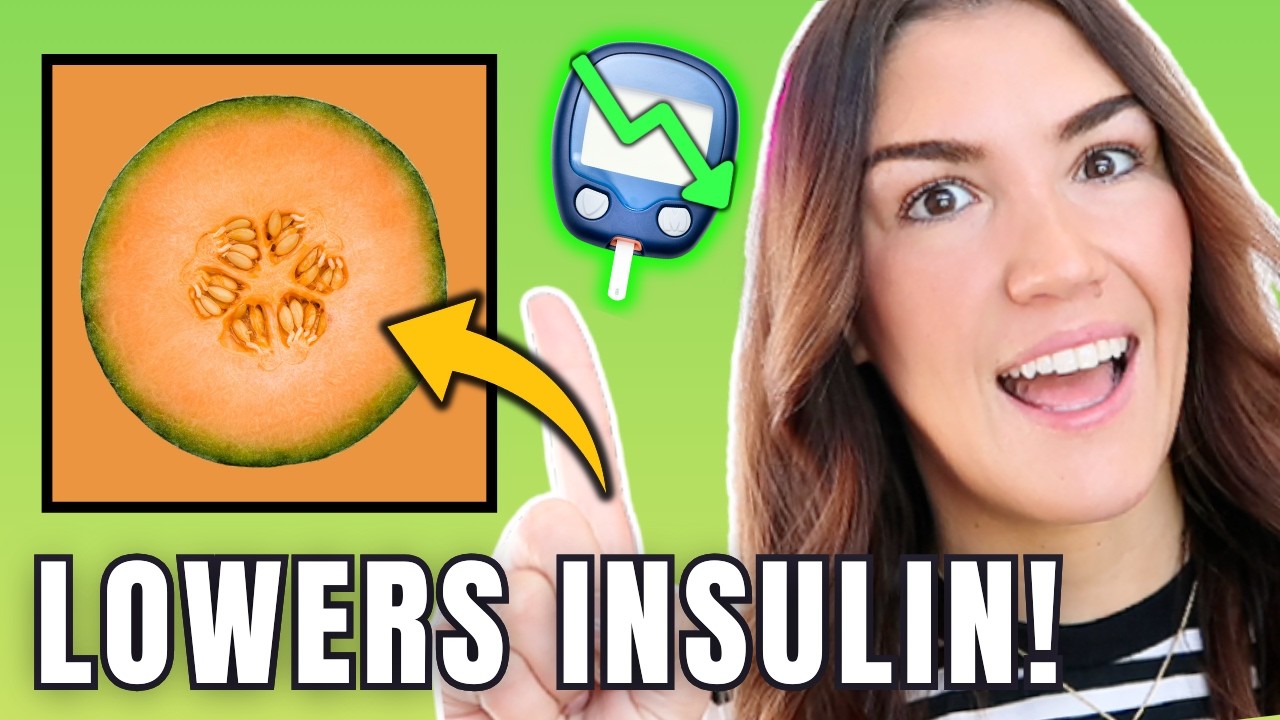
Not all carbs are created equal. In this video I share five surprising foods that actually help lower insulin and improve insulin sensitivity, even though they contain natural sugars or starch.
Beets, blueberries, cantaloupe, dark chocolate, and pumpkin all contain compounds like anthocyanins, polyphenols, nitric oxide boosters, and inositol that work with your metabolism instead of against it. These foods can reduce inflammation, support muscle glucose uptake, and help reverse insulin resistance.
Magnesium supplement https://hckait.com/momentous
🩸 3-Day Blood Sugar Reset ➡️ https://healthcoachkait.com/bloodsugarreset
⚠️ 7-Day Insulin Resistance Masterclass ➡️ https://healthcoachkait.com/IRmasterclass
🎧 Healthy Not Complicated Podcast ➡️ https://hckait.com/podcast
Hi, I’m Kait Malthaner (aka Health Coach Kait)! As a certified health and nutrition coach specialising in blood sugar control and reversing insulin resistance, I’m here to simplify your health journey. My videos cover topics like lowering blood sugar, A1c, and blood pressure, reversing insulin resistance and PCOS, weight loss, abdominal fat loss, and more. Getting healthy doesn’t have to be complicated—small changes lead to big results. Start reversing insulin resistance with me today!
Recommended Products and Discount Codes
🩸 At-Home Insulin Resistance Test (Code: KAIT10) ➡️ https://hckait.com/getsowell
🧂 Electrolytes (Code: HCK15) ➡️ https://hckait.com/sodiielectrolytes
💫 Berberine (Code: KAIT10) ➡️ https://hckait.com/getsobalanced
🩷 Inositol (Code: KAIT10) ➡️ https://hckait.com/getsosynced
🚨 Red Light Therapy (Code: HCK15) ➡️ https://hckait.com/rlt
💦 Sauna Blanket (Code: HCK15) ➡️ https://hckait.com/sauna
🥤 Blood Sugar Balancing Drinks (Code: KAIT15) ➡️ https://hckait.com/goodidea
💪 Clean Whey Protein (Code: HCK15) https://hckait.com/protein
📱 Continuous Glucose Monitor USA (Code: KAIT30) ➡️ https://hckait.com/nutrisense
🔥 Continuous Ketone Monitor (Code: KAIT15) ➡️ https://hckait.com/ckm
0:00 Intro
1:25 #1 Beets
2:09 #2 Blueberries
2:54 #3 Cantaloupe
4:15 #4 Dark chocolate
5:02 #5 Pumpkin
Disclaimer:
This video is for general informational purposes only and should never be considered a substitute for professional medical advice. Always consult your doctor or a qualified healthcare professional for any questions about your health or medical condition. Some links above are affiliate links, meaning I may earn a small commission at no extra cost to you. I only recommend products I use, trust and love.