Summary of 5 Daily Bodyweight Exercises Women 45+ Should Do:
Strength training is essential for women over 45, directly linked to increased longevity and resilience. A 2023 Harvard study indicates that older adults who engage in regular weight lifting significantly reduce their risk of death compared to those who don’t. The National Institute on Aging highlights that maintaining muscle strength helps prevent mobility loss, lowers fall risk, and supports metabolic functions as we age.
Bodyweight compound exercises are effective for building strength, engaging multiple muscle groups and joints simultaneously. A well-rounded strength training regimen not only improves overall body strength but also enhances posture and joint health, crucial for aging gracefully.
The article details five essential bodyweight exercises for women over 45:
- Push-Up Variations: Enhance upper body strength, crucial for daily activities and reducing fall risk.
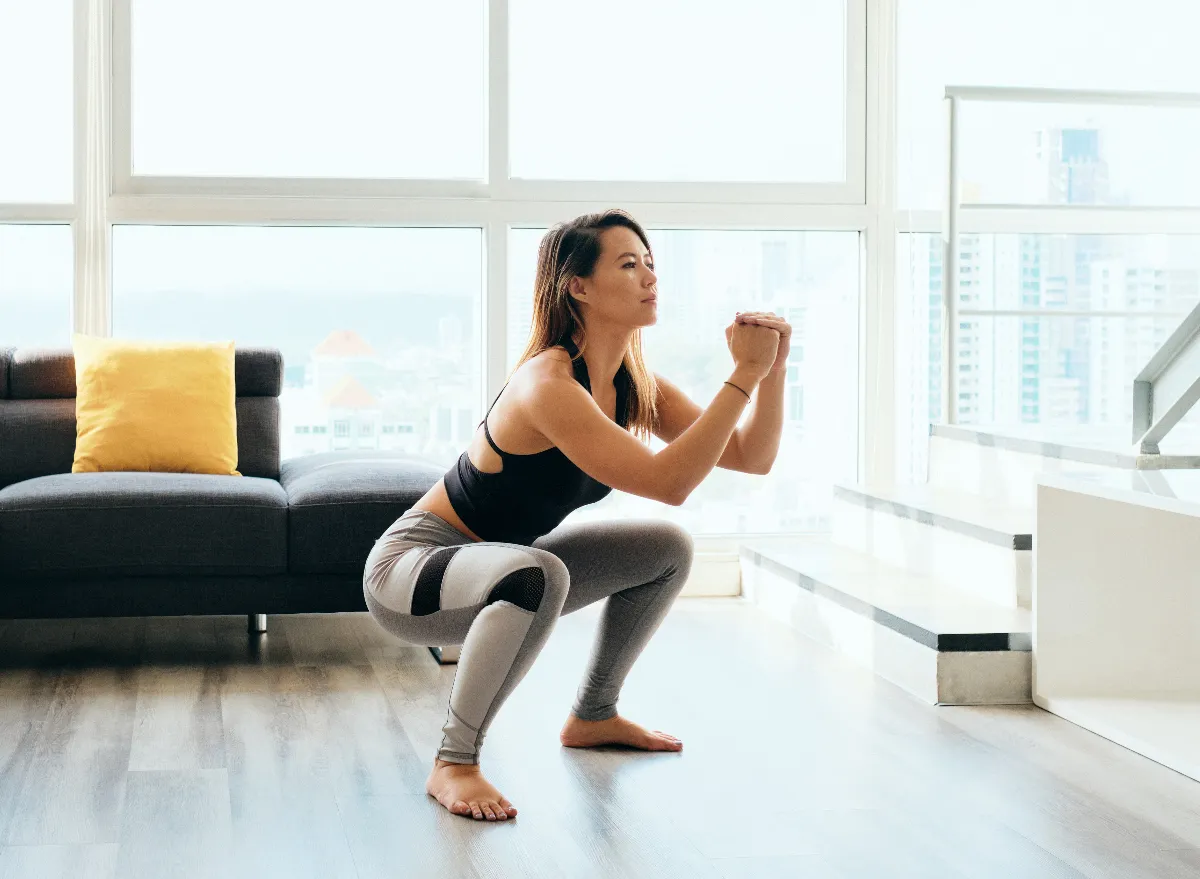
- Squat Variations: Strengthen legs and improve balance, critical for mobility and daily tasks.
- Plank Variations: Build core stability, aiding posture and preventing back pain.
- Glute Bridges: Improve hip strength and mobility, supporting overall spine health.
- Cossack Squats: Enhance side-to-side mobility and strengthen inner thighs, crucial for balance.
Key tips for effective strength training after 45 include warming up properly, maintaining consistency, allowing for recovery, tracking progress, incorporating mobility work, and ensuring comprehensive training across all major muscle groups. These strategies foster long-term health and fitness, translating into a better quality of life as you age.
*****
Summary Bullet Points
- Strength Training and Longevity: Engage in bodyweight exercises to enhance longevity and functional fitness after age 45.
- Key Exercises: Discover five essential bodyweight exercises that promote strength, balance, and mobility.
- Safety and Form: Learn how to perform these exercises correctly to prevent injury and maximize benefits.
- Holistic Approach: Emphasize the importance of a well-rounded fitness routine that addresses all major muscle groups.
- Long-Term Fitness Strategies: Explore actionable fitness tips to maintain strength and health as you age.
The Unique and Fascinating Aspects of the 5 Daily Bodyweight Exercises Women 45+ Should Do
As we journey through life, staying robust and resilient becomes increasingly vital, especially for women over 45. The body changes, but our determination doesn’t need to wane. Introducing a daily routine that includes bodyweight exercises can be a game changer. Not only do these exercises help maintain strength, they also enhance mobility and balance—key components for lasting independence and vitality.
Imagine not just getting through your day, but thriving in every moment, from managing daily tasks to enjoying spontaneous adventures. It’s not just about fitness; it’s about embracing a lifestyle of empowerment, resilience, and joy.
Strength Training and Longevity
Research supports the notion that strength training is not just for the younger crowd. A significant study by Harvard reveals that older adults engaged in regular resistance training experience lower mortality rates. That’s right: the commitment to strength building today may just mean more tomorrows to enjoy life. Similarly, the National Institute on Aging emphasizes the importance of muscle strength for mobility, injury prevention, and metabolic function as we age.
So why bodyweight exercises? They are incredibly effective. By engaging multiple joints and muscle groups in a single movement, these exercises offer substantial benefits without the need for complex equipment. Think squats, push-ups, and planks—they provide effective full-body workouts that fit seamlessly into your day.
Let’s dive into five essential bodyweight exercises that can transform your routine.
1. Push-Up Variations
At first glance, push-ups may seem daunting. However, they are a stellar option for developing upper body strength, vital for everyday tasks like lifting groceries, pushing doors, or reaching overhead.
Muscles Trained: Push-ups primarily work the chest, shoulders, triceps, and core stabilizers.
How to Do It:
- Place your hands shoulder-width apart.
- Straighten your legs, forming a straight line from heels to head.
- Engage your core and glutes.
- Lower down until your chest nearly touches the floor.
- Push back to the starting position.
Recommended Sets and Reps: Aim for 3 sets of 8-15 reps, resting 60 seconds in between.
Best Variations: If standard push-ups feel too challenging, try incline push-ups (hands on a bench) or knee push-ups to build strength gradually.
Form Tip: Maintain a straight line from head to heels; avoid sagging or lifting your hips too high.
Push-ups don’t just build muscle; they help with posture and daily functional strength. Imagine having the confidence to lift and carry without straining your back.
2. Squat Variations
Squats may sound simple, but they are a powerhouse for building leg strength and enhancing mobility. Strong legs lead to better balance, making activities like walking, climbing stairs, and getting up from a chair much easier.
Muscles Trained: Squats primarily engage the quadriceps, glutes, hamstrings, and core stabilizers.
How to Do It:
- Stand with feet shoulder-width apart.
- Push your hips back as if sitting in a chair.
- Bend your knees and lower until thighs are at least parallel to the floor.
- Keep your chest up and back neutral.
- Press through your feet to return to standing.
Recommended Sets and Reps: Perform 3 sets of 12-20 reps, resting for 60 seconds in between.
Best Variations: Consider sumo squats (wider stance) or single-leg squats for added challenge and variety.
Form Tip: Ensure your knees track over your toes and avoid letting them collapse inward.
Imagine being able to play with your grandkids without worrying about your knees giving out. Regular squatting can help maintain bone density, reducing the risk of osteoporosis.
3. Plank Variations
Planks are another remarkable exercise that strengthens the core, vital for better posture and spinal alignment. A strong core not only supports overall mobility but also helps prevent injuries from slips and falls.
Muscles Trained: Planks target the rectus abdominis, transverse abdominis, obliques, and shoulders.
How to Do It:
- Position your forearms on the ground, elbows directly under your shoulders.
- Extend your legs behind you so only your toes touch the floor.
- Tighten your glutes and core to form a straight line from head to heels.
- Maintain this position without letting your hips sag or rise.
Recommended Sets and Reps: Hold for 30-60 seconds across 3 sets, resting for 45 seconds between.
Best Variations: Explore high planks, side planks, or planks with alternating leg lifts for variety.
Form Tip: Keep your shoulder blades pulled back and your belly button pulled in. This alignment is crucial for preventing strain.
Think of planks as your go-to exercise for stability. Just as a solid foundation is essential for a building, a strong core supports every movement in your daily life.
4. Glute Bridges
The glute bridge is an often-underestimated exercise that works wonders for pelvic alignment and overall spine health. Strong glutes can alleviate lower back strain and even enhance athletic performance.
Muscles Trained: This exercise primarily targets the glutes, hamstrings, lower back, and core.
How to Do It:
- Lie on your back with knees bent and feet flat on the ground, hip-width apart.
- Press through your heels and lift your hips until your body forms a straight line from shoulders to knees.
- Pause at the top, focusing on squeezing your glutes.
- Lower your hips back to the floor with control.
Recommended Sets and Reps: Perform 3 sets of 12-20 reps, resting for 60 seconds in between.
Best Variations: Consider trying a single-leg glute bridge or an elevated bridge for added intensity.
Form Tip: Avoid arching your lower back excessively. Aim to maintain a neutral spine throughout the movement.
Picture yourself walking with ease, climbing stairs, and engaging in activities you love—all because your glutes are firing correctly.
5. Cossack Squat
The Cossack squat is an excellent way to build lateral mobility and strength. This exercise not only stretches but also strengthens, making it a dual-benefit workout for women over 45.
Muscles Trained: This exercise works the inner thighs (adductors), glutes, quadriceps, and hip flexors.
How to Do It:
- Stand with feet wider than shoulder-width apart.
- Shift your weight to one leg, bending that knee and keeping the other leg straight.
- Lower yourself toward the bent leg, maintaining an upright chest and straight back.
- Return to the starting position and repeat on the other side.
Recommended Sets and Reps: Perform 2 sets of 6-10 reps per side, resting for 60 seconds in between.
Best Variations: Consider assisted Cossack squats (using a support) or deeper squats if you’re comfortable.
Form Tip: Keep your non-bent leg straight (but not locked) and avoid pushing the bent knee past the toes too far.
Imagine having the flexibility to easily move laterally—whether it’s dodging a ball during a game with friends or just navigating a crowded store.
Best Strength Tips for Staying Strong After 45
As invigorating as these exercises are, it’s essential to approach strength training as a holistic endeavor. A few foundational principles can ensure your efforts yield sustained benefits:
- Warm Up Properly: Take the time to prepare your body before exercising. Light cardio and dynamic stretches can significantly enhance muscle activation and protect your joints.
- Prioritize Consistency Over Volume: Consistent, frequent movement beats sporadic high-intensity sessions. Aim for daily or near-daily activity.
- Build in Recovery: Recovery is critical. Plan rest days, prioritize sleep, eat nourishing foods rich in protein, and stay hydrated.
- Track Progress in Small Ways: Observe your improvements—whether it’s more reps, deeper movements, or better control. These milestones can serve as excellent motivators.
- Mix Compound Movements with Mobility Work: Flexibility and mobility are as crucial as strength. Take time to stretch and improve your range of motion.
- Train Your Whole Body: Balance is key. Target all major muscle groups to minimize the risk of injury and maintain functional fitness.
By adopting these principles alongside the five vital exercises, you’re setting yourself up for not just a longer life—but a more vibrant, energetic one filled with the activities you love.
Conclusion
Confidence, vitality, and joy in movement await for those willing to embrace the challenge of strengthening their bodies. Each rep, each set, holds the promise of a life well-lived. So, why wait? Start today, and embark on a journey of discovery and empowerment—one bodyweight exercise at a time. You’re not just enhancing your physical strength; you’re sculpting your future.
Embrace the movement, engage with the process, and honor your body for all it can achieve. Together, we’re not just defying age; we’re embracing life!