- The science of autophagy and its benefits for cellular health
- Understanding visceral fat and its implications for overall health
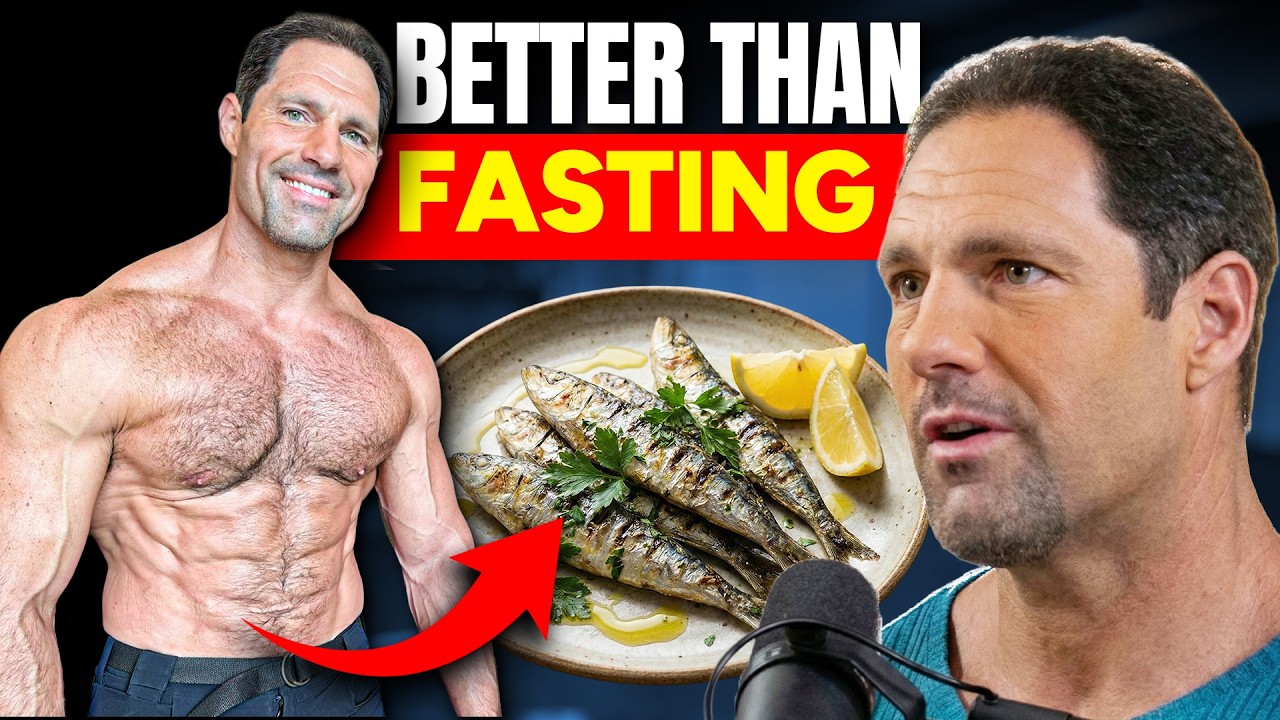
- Comparing the effects of a 36-hour sardine diet with a 3-day fast
- Nutritional profile of sardines and their role in metabolic health
- Practical tips for incorporating sardines into your diet
Autophagy is a vital cellular process that promotes the removal of damaged components, facilitating cell repair and regeneration. This process can enhance longevity and combat various chronic diseases. During periods of fasting, autophagy kicks into high gear, presenting a compelling argument for why some individuals engage in extended fasting. However, emerging evidence suggests that shorter durations, paired with nutrient-dense foods, can also yield significant benefits.
Visceral fat, the fat stored around internal organs, poses a serious health risk. Unlike subcutaneous fat, which resides just under the skin, visceral fat is metabolically active and is linked to an array of metabolic diseases. Excessive visceral fat leads to insulin resistance, type 2 diabetes, and cardiovascular disease. Therefore, strategies that promote its reduction are crucial in maintaining metabolic health.
A 36-hour diet centered on sardines might appear unconventional compared to a traditional 3-day fast; however, both methods may promote autophagy and reduce visceral fat, albeit through different mechanisms. Evidence suggests that fasting induces autophagy, but so too can caloric restriction combined with nutrient density. Sardines, in this context, stand out as an optimal choice due to their rich nutrient profile.
The nutritional profile of sardines includes high levels of omega-3 fatty acids, protein, and a wealth of vitamins and minerals. Omega-3s are well-known for their anti-inflammatory properties and may aid in fat loss while simultaneously supporting metabolic health. Proteins provide essential amino acids necessary for tissue repair and growth, while vitamins such as B12 and D support energy metabolism and maintain overall system function. Incorporating sardines into a diet promotes beneficial metabolic pathways, leading to the potential reduction of visceral fat stores.
When comparing a 36-hour sardine diet with a 3-day fast, it’s essential to recognize the physiological impacts in each scenario. A 3-day prolonged fast typically stimulates autophagy through nutrient deprivation. However, this approach might lead to muscle loss, triggers stress hormones, and impacts metabolic functions negatively. In contrast, a 36-hour sardine diet allows for significant nutrient intake while still maintaining aspects of caloric restriction. The presence of amino acids and healthy fats may support muscle retention, provide sustained energy, and enhance overall well-being.
Integrating sardines into a diet can be executed effortlessly. Sardines are versatile; they can be included in salads, sandwiches, or soups, making them an easy addition to various dishes. This increases the likelihood of regular consumption, essential for achieving long-term health benefits. Furthermore, given their sustainable nature, sardines are an environmentally friendly source of nutrition.
The surge in interest around sardines lies not only in their nutritional value but also in their sustainability. As overfishing emerges as a critical issue, choosing sardines can contribute to ecological balance. These fish are generally abundant in many oceans, ultimately curbing the strain placed on more vulnerable marine populations.
While still upholding nutrition, a well-planned sardine diet could hold the potential to stimulate autophagy effectively. Research indicates that a combination of caloric restriction and essential nutrient intake keeps metabolic pathways functioning optimally. Simultaneously, autophagy helps to clear cellular debris and enhances resilience against oxidative stress.
Emerging studies show that a nutrient-rich diet can have a profound impact on visceral fat levels. Not only does adequate protein intake from sardines support muscle retention, but omega-3 fatty acids in sardines may improve insulin sensitivity. This dual benefit is vital in curbing the development of metabolic disease. The balance of essential nutrients with caloric restriction makes sardines an invaluable addition to a health-supporting regimen.
Creativity in the kitchen can also ensure the enjoyment of sardines. Canned sardines, a convenient option, can be enhanced with spices, herbs, or sauces for added flavor. Preparing meals that feature sardines can help transform an otherwise mundane eating experience into something engaging and health-promoting.
Consideration for those with dietary constraints is equally important. Sardines are gluten-free and can easily fit into a variety of eating patterns, whether it be low-carb, Mediterranean, or traditional diets. Understanding food choices in relation to health promotion is paramount; sardines hold a consistent reputation as a nutrient-dense food.
Interventions for visceral fat reduction can also extend beyond diet. Regular physical activity has significant metabolic benefits. Exercise enhances insulin sensitivity, promotes fat loss, and ultimately contributes to an improved metabolic profile. A combination of strength training and cardio will further optimize results when paired with dietary strategies.
While fasting has garnered attention for its health benefits, it’s crucial to approach dietary changes thoughtfully. A 36-hour sardine diet may offer similar benefits to a 3-day fast by effectively instigating autophagy while also supporting metabolic health through nutrient intake. Those living with metabolic diseases or seeking to mitigate fat accumulation need practical solutions; incorporating nutrient-dense foods could prove beneficial in this regard.
Overall, the conversation surrounding diet, fasting, and fat loss continues to develop. Given the potential advantages of sardines for both autophagy and visceral fat reduction, individuals could find creative ways to incorporate them into their daily meals. With minimal preparation, sardines can be a simple yet powerful tool in the quest for improved metabolic health. Balancing enjoyment in eating alongside health benefits paves the way for sustained efforts in nutrition and well-being.
Developing a routine around consuming nutrient-dense foods ensures the body receives the necessary components for optimal functioning. Sardines serve as a reminder that healthy eating choices do not have to be complicated to yield profound benefits. Through experimentation and creativity in meal planning, embracing this simple fish may lead to significant improvements in health outcomes for many.
Ultimately, navigating the link between diet and health requires critical thought and informed choices. Emphasizing nutrient-rich foods like sardines while considering strategies for reducing visceral fat can support a healthier lifestyle. Engaging with dietary practices that align with metabolic health necessitates continual learning and adaptation, making choices that fit individual lifestyles as they evolve. By embracing dietary changes that incorporate powerful foods such as sardines, one may unlock a pathway to better health outcomes without sacrificing enjoyment.
*****
Source Description
For a Limited Time, Get 30% off SEED with code THOMAS30: https://www.seed.com/thomasyt
Dom’s Website: https://ketonutrition.org/
Be sure to check out the Metabolic Health Initiative (MHI): https://www.metabolicinitiative.com/
Follow Dom on Instagram: https://www.instagram.com/dominic.dagostino.kt/
This video does contain a paid partnership with a brand that helps to support this channel. It is because of brands like this that we are able to provide the content that we do for free.
Click HERE to Subscribe: https://www.youtube.com/c/ThomasDeLauerOfficial?sub_confirmation=1
Please check out the new Shorts channel, DeLauer Clips and Workouts, here: https://www.youtube.com/channel/UCQPQImPsw74KhO0Zy2-leyA/videos
Please Subscribe to my Email Newsletter Here: https://www.thomasdelauer.com/life-optimization-tactics/
Follow More of My Daily Life on Instagram: http://www.Instagram.com/ThomasDeLauer
Timestamps ⏱
0:00 – Intro
0:16 – Sardine Fasting
3:27 – Dom’s Sardine Fasting Protocol & Benefits
6:08 – Effect on Inflammation
8:11 – 20% off Your First Order of SEED
8:55 – Why This May Be Easier Than Regular Fasting
9:55 – Other Types of Fasting Focusing on Singular Foods
12:06 – Better Composition on an Egg Fast Than Regular Fast?
13:20 – Everyone Can Do a Sardine Fast – Dom’s Advice
15:06 – Where to Find More of Dom