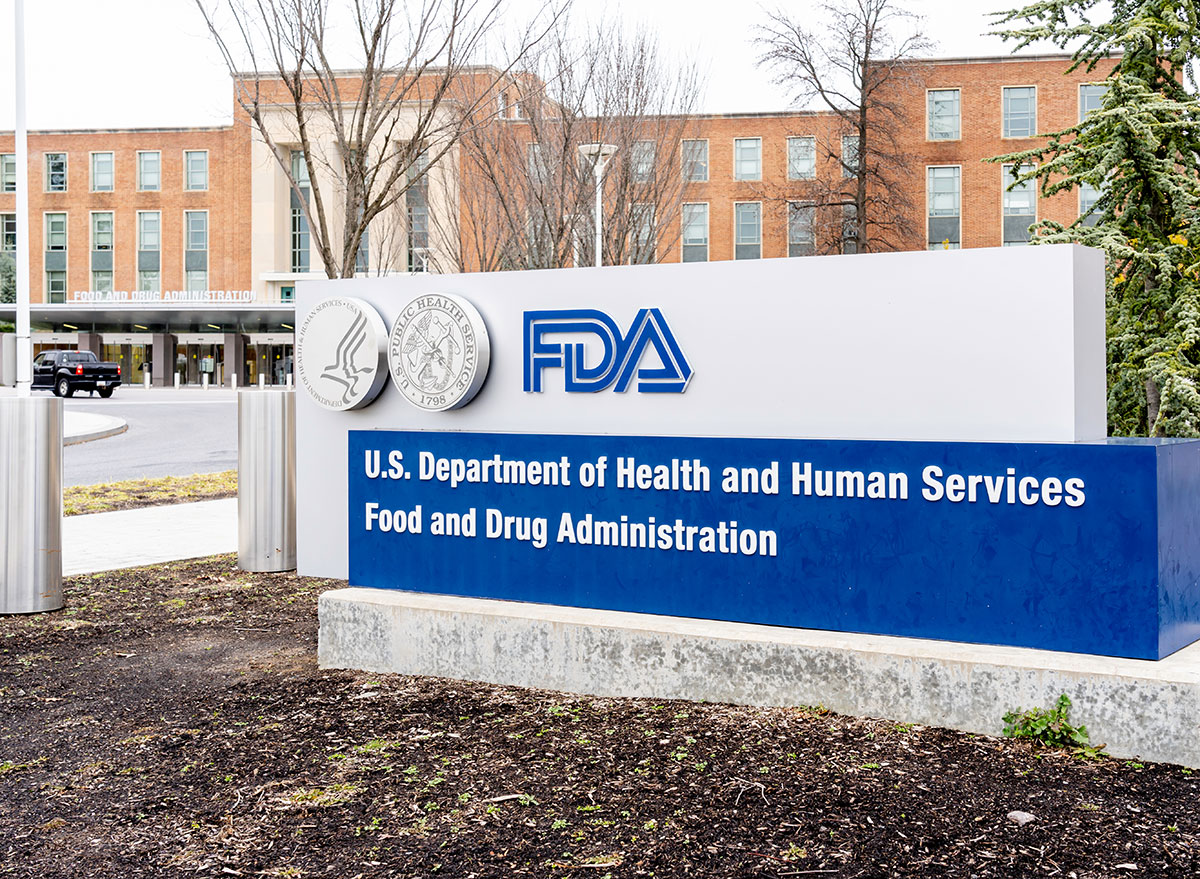
Summary of 3 FDA Food Safety Regulatory Changes Coming in 20263 FDA Food Safety Regulatory Changes Coming in 2026:
In 2026, the FDA plans to implement three significant food safety regulatory changes:
-
New Approach to "No Artificial Colors" Claims: Companies will be permitted to label products as having "no artificial colors" if they use natural colorings instead of petroleum-based options. New color additives like beetroot red and an expanded use of spirulina extract have been approved.
-
Assessment of Butylated Hydroxyanisole (BHA): The FDA has initiated a comprehensive review of BHA, a food preservative previously labeled as "reasonably anticipated to be a human carcinogen." This initiative aims to ensure BHA meets current safety standards.
- Gluten Ingredient Disclosure Improvement: The FDA will enhance labeling rules regarding gluten and potential cross-contamination in foods, particularly concerning rye, barley, and oats. This change aims to provide better clarity for individuals with celiac disease or gluten sensitivities.
Overall, these updates reflect the FDA’s commitment to improving food safety and transparency for consumers.
*****
Summary of Upcoming FDA Food Safety Regulatory Changes in 2026
-
New Approach to "No Artificial Colors" Claims: The FDA enables the use of naturally derived colors while removing confusion around labeling.
-
Reassessment of BHA (Butylated Hydroxyanisole): The FDA is evaluating the safety of this common food preservative amidst concerns about its carcinogenic potential.
- Strengthening Gluten Ingredient Disclosure: Improved labeling requirements for gluten, particularly regarding cross-contamination, to better protect individuals with celiac disease and gluten sensitivity.
Three FDA Food Safety Regulatory Changes Coming in 2026
The landscape of food safety is set to undergo transformative changes in 2026, guided by the Food and Drug Administration (FDA). As consumer awareness climbs, the FDA is taking proactive steps to ensure a healthier food environment. Historically, the agency has navigated a complex interplay between public health, food industry practices, and consumer interests. The year 2026 marks a significant pivot in regulatory practices, focusing on clarity, safety, and transparency.
So, what’s in store? Buckle up as we delve into the three major FDA food safety regulatory changes that are making waves—changes that not only affect what’s on our plates but also underscore a broader commitment to community health.
New Approach to “No Artificial Colors” Claims
In a bold move, the FDA is rethinking how “no artificial colors” is defined and labeled. Traditionally, food companies were often hindered by regulatory ambiguity regarding what constitutes an “artificial” color. The problem? Many natural colorants were lumped in with synthetic options, confusing consumers and stifling innovation.
As of 2026, companies producing items with no petroleum-based colors can now proudly claim “no artificial colors” on their packaging. Isn’t it refreshing to watch an agency pivot toward clarity? The FDA recently approved new color options, such as “beetroot red” and allowed for the expanded use of spirulina extract.
Marty Makary, FDA Commissioner, has articulated the purpose: “We acknowledge that calling colors derived from natural sources ‘artificial’ might be confusing for consumers and a hindrance for companies to explore alternative food coloring options. We’re taking away that hindrance and making it easier for companies to use these colors in the foods our families eat every day.”
This change cultivates a more vibrant spectrum of choices for consumers while promoting healthier, more natural food options. One can imagine the colorful plates that will grace our tables, expanding our experience of nourishment visually and nutritionally.
FDA Launches Assessment of BHA
Next on the agenda is the FDA’s deep dive into butylated hydroxyanisole (BHA), a chemical preservative that’s lingered in the food supply for decades. Collectively scrutinized for its dubious safety, BHA has been flagged by the National Toxicology Program as “reasonably anticipated to be a human carcinogen” based on animal studies. Ominous, right?
Health and Human Services Secretary Robert F. Kennedy, Jr. emphasizes, “This reassessment marks the end of the ‘trust us’ era in food safety. If BHA cannot meet today’s gold-standard science for its current uses, we will remove it from the food supply and continue cleaning up food chemicals—starting where children face the greatest exposure.”
This assessment is the FDA’s clarion call for accountability. The industry must now confront the consequences of using such substances in their products. The overarching question looms: Are we willing to feed ourselves and our families something deemed potentially hazardous?
This shift serves as an invitation for companies to innovate, pushing them toward natural preservation methods that align both with science and consumer demands. The emerging focus on justifiably safe products embraces fundamental principles of sustainability, respect, and health consciousness.
Gluten Ingredient Disclosure Improvement
The commitment to safety extends to those affected by gluten sensitivities—particularly important for the thousands of individuals living with celiac disease. Until now, the ambiguous labeling around gluten has forced consumers to tread cautiously through grocery aisles. The FDA’s latest initiative aims to tighten the grip on gluten ingredient disclosures, especially concerning cross-contamination risks associated with wheat, rye, barley, and oats.
Dr. Makary notes, “People with celiac disease or gluten sensitivities have had to tiptoe around food and are often forced to guess about their food options.” The new labeling regulations will not only inform consumers but will empower them—an action that heralds inclusivity in dietary essentials.
This positive change encompasses consumer experience, health literacy, and public wellness. It’s a way of saying, "We hear you, and we are working to make food safe for everyone." By involving stakeholders in dialogue, the FDA seeks a collaborative approach to develop actionable policies that champion the health of all Americans.
Looking Ahead: What These Changes Mean
As 2026 approaches, it’s essential to consider the broader implications of these regulatory changes. The FDA is not merely updating its rules; it’s expanding the very framework through which we think about food and health. These changes represent a progressive acknowledgment of the evolving relationship between consumers, food producers, and regulatory bodies.
-
Increased Consumer Trust: As the FDA bolsters transparency, consumers feel more empowered to make informed decisions. Trust blossoms when you know the regulatory bodies have your back. Human connection, food safety, and informed choices will work hand-in-hand.
-
Healthier Food Innovation: The encouragement of natural alternatives for colors and the scrutiny of preservatives like BHA push manufacturers toward cleaner, healthier formulations. This shift won’t just improve safety but also enhance taste and nutrition.
- Empowerment Through Knowledge: The new gluten regulations resonate deeply with a growing understanding of dietary needs. When companies must disclose risks openly, they engage in a dialogue that honors individual health journeys. It represents a societal acknowledgment of the importance of specific dietary needs.
A Call to Community Engagement
As these changes unfold, community engagement becomes crucial. Consumers must leverage their voices—advocating for transparency and encouraging manufacturers to embrace these evolving standards. Let’s hold onto a vision of health and well-being that reverberates far beyond 2026, impacting families, local businesses, and future generations.
So, how can you participate? Start by staying informed. Engage in conversations about food safety and nutritional choices in your community. Be on the lookout for labels that reflect these changes and encourage your favorite brands to adopt transparent practices.
Together, we are the architects of a food landscape that prioritizes health over convenience, integrity over apathy. Embrace curiosity, champion your well-being, and advocate for changes that bring safety, sustainability, and nourished lives. The road ahead may be challenging, but it is paved with opportunities to foster the healthiest nation possible.
Let’s rise together, making choices that resonate with wisdom and compassion. The changes ahead will shape our future—let’s ensure it’s bright, nourishing, and inclusive for all.