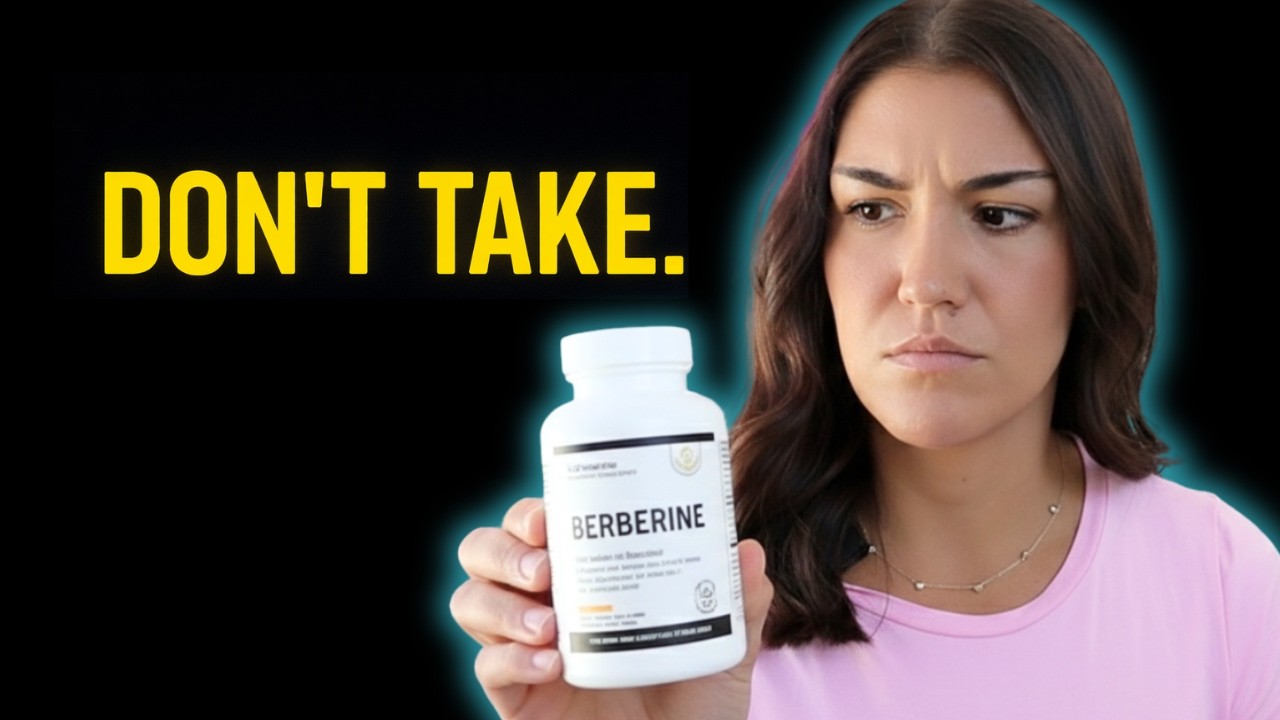
- Berberine and Its Impact on Metabolism
- Misunderstandings About Berberine’s Efficacy
- Environmental Interference with Berberine Activity
- Timing and Dosage Issues
- Drug Interactions Affecting Berberine’s Function
Berberine is a compound derived from various plants, known for its potential health benefits, particularly in metabolic regulation. Used primarily for its effects on glucose metabolism and insulin sensitivity, many individuals turn to berberine as a natural supplement. However, for some, it may not deliver the expected results, creating disappointment. Understanding why berberine might stall progress in these areas requires a closer look at its mechanisms, interactions, and individual biological responses.
When considering berberine’s effect on metabolism, it’s essential to recognize its primary action within the body. Berberine functions by activating AMP-activated protein kinase (AMPK), a critical regulator of energy metabolism. This activation helps lower blood sugar levels, enhances insulin sensitivity, and supports fat metabolism. Unfortunately, its impact can vary significantly among individuals. Factors such as genetics, underlying health conditions, and dietary habits must be taken into consideration to grasp the complete picture of berberine’s effects.
A common misunderstanding is that berberine works uniformly for everyone. The expectations set by anecdotal evidence can lead to frustration. Research indicates that individual variability plays a considerable role in metabolic responses. Genetic differences can determine how substances are metabolized, leading to variations in effectiveness. If your body metabolizes berberine quickly or poorly, you may not see the same benefits as others. Understanding these nuances is crucial for anyone relying on berberine for metabolic improvement.
Compounding this issue is the influence of environmental factors, which may interfere with berberine activity. The body’s microbiome, a community of microbes living in the digestive system, can significantly affect how berberine is absorbed and utilized. Diet plays a pivotal role in shaping this microbiome. High-sugar or high-fat diets can alter the composition and diversity of intestinal bacteria, which may hinder the efficacy of berberine. If gut health is compromised, even optimal doses of berberine may prove ineffective.
Proper dosing is vital; taking too little berberine will naturally lead to suboptimal results, while excessive amounts can result in adverse effects. The general recommendation for berberine is often between 900 mg to 1500 mg daily, divided into three doses taken before meals. However, these guidelines do not account for individual metabolism or digestive health. Adjusting the timing and dosage may be necessary for those who do not experience significant benefits initially.
Furthermore, it’s essential to be aware of potential drug interactions. Berberine can influence the metabolism of other medications due to its ability to inhibit certain enzymes in the liver responsible for drug metabolism. This can lead to increased levels of concurrent medications, potentially causing side effects or adverse reactions. If individuals are unaware of these interactions, they may mistakenly attribute their stalled progress to berberine itself, rather than considering the combined effects of multiple substances within their system.
Another critical point involves an individual’s lifestyle choices. Stress levels, sleep quality, and overall physical activity can influence metabolic processes. If an individual is incorporating berberine while neglecting other aspects of a healthy lifestyle, the effects might not be fully realized. The body requires a holistic approach to optimize health and metabolic function. Neglecting nutrition, exercise, and other critical health habits while solely relying on supplements can limit success.
In terms of diet, consuming a balanced intake of macronutrients, including proteins, healthy fats, and complex carbohydrates, is essential for maximizing the effects of berberine. A diet high in processed foods can lead to insulin resistance, and while berberine may counteract some of these effects, it cannot fully overcome a consistently poor diet. Complementing berberine with nutrient-rich foods can amplify its positive impact on insulin sensitivity and metabolism.
Additionally, hydration levels may play a role in how effectively berberine operates. Water is essential for numerous bodily functions, including digestion and nutrient absorption. Dehydration can impair the gut’s ability to absorb nutrients, including berberine, and may diminish its effectiveness. A well-hydrated body can aid in the absorption and utility of supplements, including berberine.
For those who have attempted to integrate berberine into their supplement regime but found it lacking, it is advisable to examine these multiple layers of influence. Assessing one’s complete health profile, including dietary habits, lifestyle choices, and potential drug interactions, can shed light on the challenges faced. It may be beneficial to work closely with healthcare providers to evaluate the situation holistically, paying attention to factors that may impede progress.
Biological individuality cannot be overstated. Variables such as age, sex, weight, and pre-existing health conditions can significantly affect how one responds to berberine. For instance, older adults may metabolize substances differently than younger individuals. Metabolic conditions like hypertension or obesity may further complicate the response to supplementation. These factors can cause the same dosages to yield varied results across different people.
Some individuals might also experience gastrointestinal discomfort when taking berberine. Symptoms such as bloating or diarrhea may deter them from continuing the supplement, leading to hasty conclusions about its efficacy. Gradually increasing the dosage or taking it with food rather than on an empty stomach might mitigate these adverse effects, allowing individuals to better assess its benefits.
Moreover, it’s essential to consider the importance of monitoring progress. Regular check-ups and maintaining a record of dietary and lifestyle changes will provide insights into what may be impacting your metabolic health. These records can help identify patterns, such as how certain foods or stressors correlate with performance. Tracking progress through lab results, such as blood glucose levels, can inform decisions about whether to continue or adjust the dosage of berberine.
Patience is another critical element in this journey. Many individuals expect noticeable results in a short time frame. However, metabolic health transformations are often gradual. Long-term commitments to both berberine usage and lifestyle modifications yield better outcomes compared to short-term approaches. Realistic expectations play a pivotal role in maintaining motivation and commitment over time.
In summary, while berberine presents a beneficial option for many looking to improve metabolic health, its effective functioning can be hindered by various factors. Misunderstandings about its efficacy, environmental influences, inappropriate timing and dosage, as well as potential interactions with other drugs are all critical elements affecting individual results. Understanding these considerations can empower users to make informed decisions and possibly adjust their approach for better health outcomes.
Combining berberine with a comprehensive strategy that includes attention to nutrition, lifestyle, and wellness can significantly enhance its effectiveness. Addressing the multi-faceted nature of metabolic health is essential for those striving to optimize their results. Engaging with professionals for tailored advice can lead to more informed choices and sustained improvement in overall wellbeing.
*****
Source Description
#Berberine #InsulinResistance #MetabolicHealth
Stop wasting money on poorly absorbed Berberine ❌
I personally use Nutobe because of their Phytosome® technology and CoQ10 integration.
———–
*WATCH NEXT*
*SOCIAL LINKS*
Instagram: https://instagram.com/healthcoachkait
TikTok: https://tiktok.com/@healthcoachkait
Facebook: https://facebook.com/.com/healthcoachkait
*TIME STAMPS*
0:00 Intro
0:41 How berberine works
1:59 Mistake 1: Treating berberine like a diet pill
2:28 Mistake 2: Buying a cheap brand
3:33 Mistake 3: Taking berberine near exercise
4:34 How to take berberine the right way
*ABOUT ME*
Hi, I’m Kait Malthaner (aka Health Coach Kait), a certified health and nutrition coach specialising in blood sugar balance and reversing insulin resistance. I help you simplify health so you can naturally lower blood sugar, A1c, and blood pressure, lose stubborn belly fat, and feel your best again. Getting healthy doesn’t have to be complicated. Small changes lead to big results.
Disclaimer: This video is for informational purposes only and is not a substitute for professional medical advice. Always consult your doctor regarding any medical concerns. Some links are affiliate links, meaning I may earn a small commission at no extra cost to you. I only recommend products I personally use, trust, and love.
These statements have not been evaluated by the FDA. This product is not intended to diagnose, treat, cure, or prevent any disease.