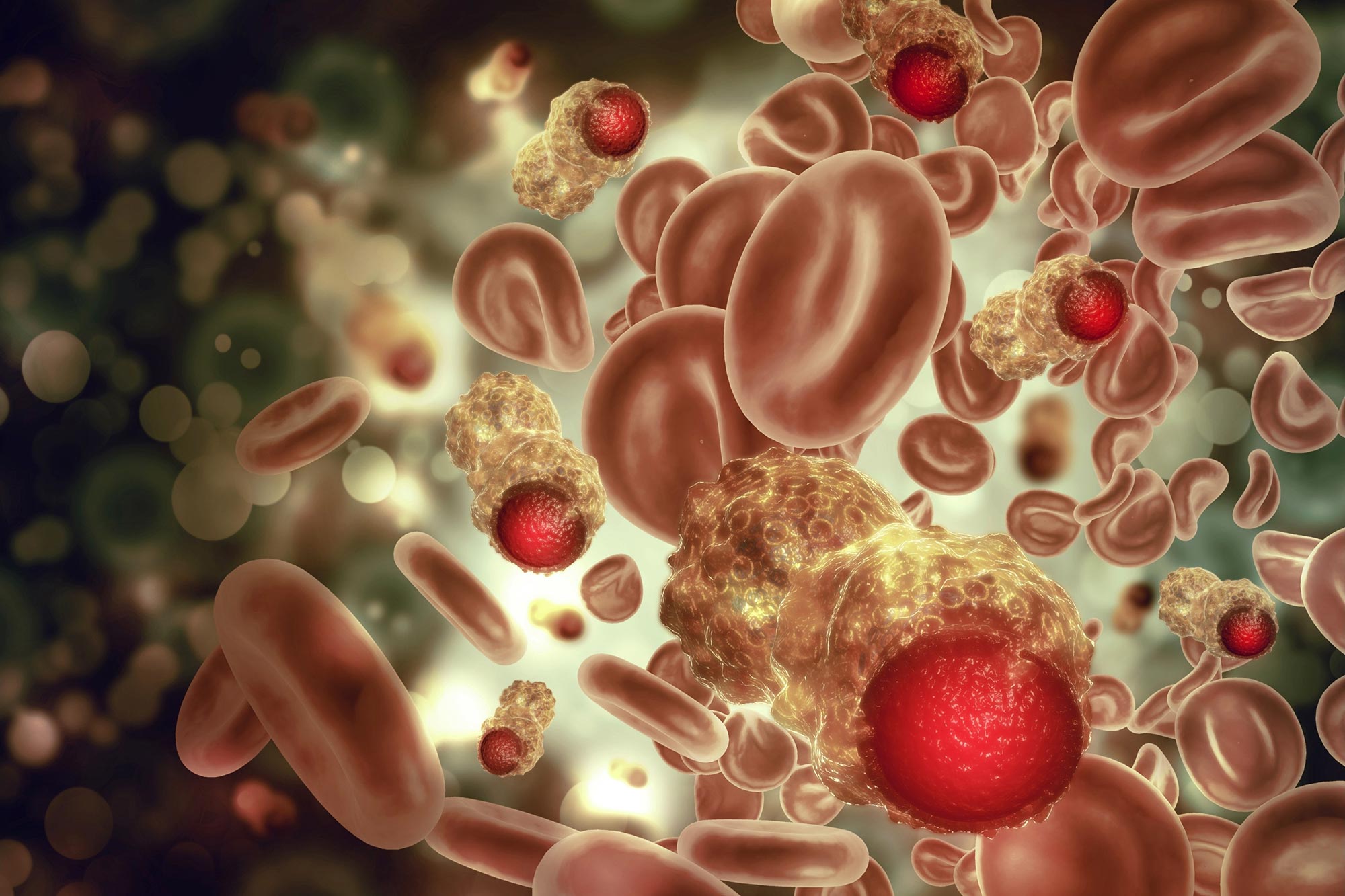
Summary of 25-Year Study Uncovers Hidden Paths and Early Warning Signs of Blood Cancer:
A recent study on chronic blood cancers, particularly myeloproliferative neoplasms (MPNs), has revealed significant insights into how these diseases evolve. Researchers from the Wellcome Sanger Institute studied genetic changes in patients over many years, linking genomic data to clinical histories to track blood cell mutations. They identified distinct evolutionary patterns: patients with stable diseases showed minimal genetic changes, while those with progressive diseases exhibited increasing mutations. These findings suggest that early genetic signals could predict disease progression long before symptoms appear, improving diagnostic accuracy and treatment strategies. The study emphasizes the potential role of routine genetic testing in standard care for blood cancers, aiming for better patient outcomes and refined monitoring practices.
*****
Summary Bullet Points:
- A groundbreaking 25-year study has unveiled the genetic patterns of chronic blood cancers, allowing for earlier predictions and tailored treatments.
- The research highlights the importance of tracking DNA changes over time to identify distinct evolutionary paths in diseases like myeloproliferative neoplasms (MPNs).
- Surprisingly, some patients without typical genetic mutations may not have cancer at all, revealing the need for refined diagnostic strategies.
- By integrating long-term monitoring with advanced genomic technologies, healthcare professionals can improve patient outcomes and foster a future of personalized medicine.
- Real-life patient stories underline how this research could alter the landscape of blood cancer management and provide hope for future patients.
Understanding Blood Cancer: Insights from a 25-Year Study
The realm of cancer research is teeming with potential, particularly in the pursuit of understanding complex diseases like blood cancer. A notable study spanning 25 years has charted new territories in how we think about and treat chronic blood cancers. Imagine, for years, scientists have gathered data, followed patients, and pieced together a complex puzzle hidden within our DNA. This effort has unveiled insights not just into genetic predispositions but also the timelines of disease evolution. Let’s delve into the captivating findings that may revolutionize cancer care.
The Power of Long-Term Tracking
One fascinating aspect of this study is the long-term tracking of patients, primarily those diagnosed with myeloproliferative neoplasms (MPNs). Imagine being part of a study that meticulously followed your health over decades, revealing patterns in genetic changes that could alter your treatment path. That’s exactly what researchers did, observing nearly 30 patients while compiling a treasure trove of data that stretched back to their initial diagnoses.
Each blood sample told a story, beckoning the researchers to decipher the intricate connections among various genetic markers. They analyzed the genomes and translated this data into a lineage of blood cells. This narrative approach—conceptualizing blood cells as members of a family tree—allowed scientists to see origins and mutations as if they were chapters in a book of life.
Distinguishing the Stable from the Aggressive
One of the most intriguing revelations was the observable difference in genetic stability among patients. Those with relatively stable conditions exhibited little to no new DNA mutations over time. Conversely, patients whose conditions deteriorated showcased a relentless accumulation of genetic changes, essentially rewriting their cancer narrative. This raises important questions about how we manage care for these patients. What if we could identify the risk of progression years before symptoms arise?
This notion of early warning signals could transform the scaffolding of blood cancer diagnosis and treatment, allowing not merely for reactive measures but proactive ones as well.
Rethinking Cancer Diagnosis
Now, consider this: around 10% of MPN cases do not show any of the common genetic mutations we associate with cancer. The standard practice often relies on visual examination of bone marrow cells. For those patients, treatment might involve potent chemotherapy, yet the absence of a clear genetic signature prompts a necessary reevaluation of how we approach diagnosis.
Through this study, researchers were able to challenge long-held assumptions. They discovered that some patients with atypical bone marrow features may not have cancer at all and could benefit from alternative management strategies. If diagnosis can be refined, wouldn’t it foster more precise treatment pathways, minimizing the side effects of unnecessary therapies?
Genetic Signals and Their Timely Messages
While the results may sound promising, what they fundamentally underscore is that understanding genetic evolution is crucial to patient care. The observed timelines suggest that significant changes may occur decades before traditional symptoms arise, offering a window of opportunity for intervention. There lies the potential for genetic testing to become a routine part of care, thereby creating personalized treatment plans shaped by each patient’s unique genetic profile.
Do you see the vast landscape of possibilities unraveling here? Daily, we navigate a world filled with uncertainty; this kind of knowledge equips both patients and healthcare providers with insights that could lead to better decisions and healthier outcomes.
A Glimpse into the Future of Care
As researchers bask in the glow of these findings, the journey is far from over. Integrating genomic data into standard hospital care may reshape the patient experience, allowing for timely interventions that could vastly improve prognosis.
Dr. Daniel Leongamornlert, a lead researcher in the study, encapsulates this sentiment perfectly. The evolution of blood cancer, as tracked through genetic patterns, promises to refine how we tailor treatments that suit individual pathways and needs.
The excitement is palpable. The technology enabling the rapid reading of DNA opens doors to a new frontier in understanding and combatting cancers, inviting a chance for improved monitoring, prevention, and treatment strategies.
Real Stories, Real Impact
Behind every data point, there exist real lives and the nuances of human experience. Take Alan Everitt, for instance. Living with essential thrombocytosis since 1992 has required resilience and adaptability. Alan’s journey through the filtration of care provided by both hematologists and supportive teams serves as a testament to ongoing research. Each challenge he faced along the way adds depth to the study’s findings, emphasizing the significance of patient-centered care and research that is informed by lived experiences.
The resilience of patients like Alan provides a narrative of hope. Their journeys illuminate the stakes involved in research, making science not just an academic pursuit but a story of possibility, strength, and tenacity.
Clinical Implications: Shaping a New Paradigm
What does this all mean for the future of healthcare? As the study advocates for regular genomic testing in clinical settings, we can envision a world where healthcare leans heavily on personalized medicine. This shift could redefine the proactive care we offer to patients, allowing us to not only respond to symptoms but to anticipate them.
This paradigm challenges the traditional reactive healthcare model by advocating for a system where monitoring patients who show subtle genetic changes becomes standard practice. Picture a healthcare environment where insights gained from genomics are routinely integrated into clinical decision-making. Such a culture could lead to earlier interventions, more effective treatments, and ultimately, improved survival rates.
The Bigger Picture
Genomic evolution and the disparities in disease trajectories uncovered by this study illuminate a consistent truth: the potential for outcomes to vary significantly based on individual biology. It compels us to rethink how we categorize and approach cancer treatments. Misclassifications bearing real physical and emotional consequences need to be addressed, fostering a medical landscape steeped in knowledge and clarity.
The convergence of genetic understanding and patient care represents a pivotal moment in modern medicine. It empowers not just healthcare professionals but also patients, equipping them with knowledge and agency over their health decisions.
Concluding Thoughts
This study serves as a fascinating lens through which to view the future of blood cancer treatment. The interplay between long-term research and the personal stories of patients points us toward a more engaged approach to medicine—one where we celebrate not just the science but the humanity within it.
As we navigate the uncharted waters of cancer research, consider the underlying energy driving these discoveries. It is an energy fueled by the hope for a world where diseases are not merely managed but understood deeply, allowing for a reimagined future where every patient can thrive.
In this age of innovation, propelled by resilient scientific inquiry and patient narratives, we stand on the cusp of change. Let us embrace the adventure of discovery, not just for ourselves but for the generations to come—a legacy steeped in knowledge, compassion, and unwavering hope.