Summary of A 24-Hour Fast Activates a Microbial Pathway That Helps Heal the Gut:
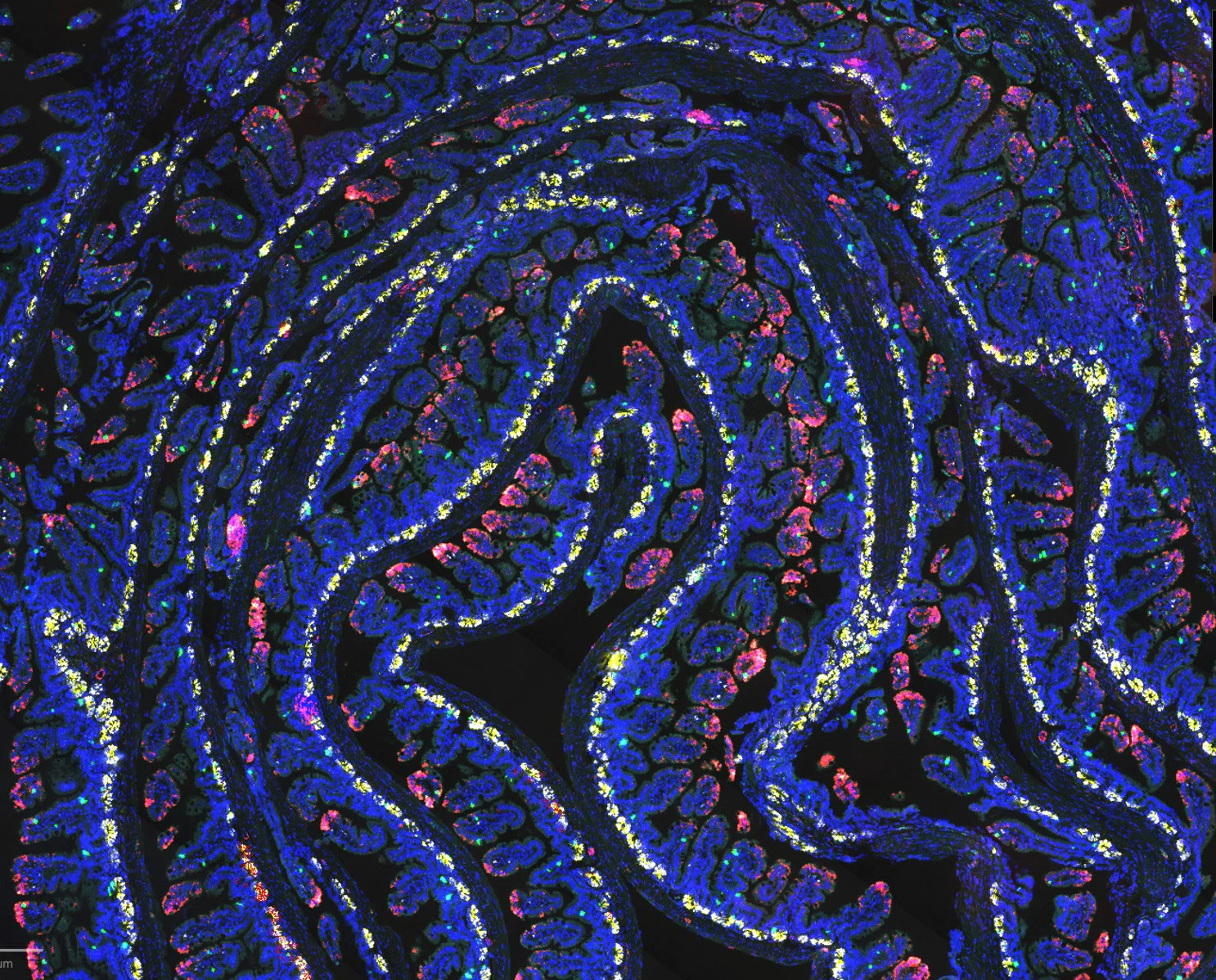
A recent study suggests that the gut bacterium Akkermansia muciniphila (AKK) is crucial for the intestinal repair benefits associated with fasting prior to radiation treatment for abdominal cancers. Radiation can damage the small intestine’s lining, leading to severe digestive issues. Fasting for 24 hours increases the presence of AKK, which helps intestinal cells prepare for regeneration by modifying histones and exposing genes linked to tissue repair.
The researchers found that both fasting and the presence of AKK are necessary for promoting intestinal recovery after radiation. They aim to find methods to replicate the protective effects of fasting without having patients abstain from food, potentially using dietary changes or targeting specific microbial metabolites. This approach could protect healthy tissues during cancer treatments while preserving their effectiveness. Future research will explore similar pathways in patients and other rapidly dividing tissues.
*****
Key Takeaways
- The Role of Fasting: A 24-hour fast activates a specific microbial pathway that facilitates gut healing.
- Microbial Influence: The bacterium Akkermansia muciniphila (AKK) enhances intestinal recovery after injury, particularly during radiation therapy.
- Metabolic Changes: Fasting triggers metabolic shifts that make intestinal cells more responsive to repair processes.
- Potential Therapeutic Applications: Findings could inform new dietary interventions or therapies to improve tissue recovery during cancer treatment without necessitating fasting.
- Broader Implications: The research suggests pathways for enhancing recovery in other rapidly regenerating tissues, like bone marrow.
Unlocking the Power of Fasting for Gut Healing
Imagine you have the ability to unlock profound healing potential through something as simple as a temporary pause in eating. Far too often, we go through life without truly considering the incredible connection between what we consume and how our bodies respond, especially in challenging circumstances like cancer treatment. Recent research taps into this fascinating intersection of fasting, gut health, and microbiomes, revealing some astonishing implications for both healing and health.
The Intricate Dance of Gut Bacteria and Human Biology
Let’s dive into the murky depths of our gut, where trillions of microorganisms reside, creating what is known as the gut microbiome. This microbial community performs a delicate balance of functions, affecting everything from digestion to immune response. But did you know that the mere act of fasting for 24 hours can dramatically shift this complex ecosystem?
Recent findings show that such a fast enhances the population of a particular beneficial bacterium known as Akkermansia muciniphila (or AKK for short). This microbe isn’t just along for the ride; it plays a crucial role in the healing process, especially during radiation therapy for abdominal cancers.
When warriors face off against relentless foes, strategies come into play. In the case of radiation therapy, while the aim is to obliterate cancer cells, the collateral damage often extends to healthy tissues, particularly the fragile lining of the small intestine. This can lead to debilitating side effects such as nausea and severe digestive issues, impacting patients’ quality of life and the efficacy of their treatment.
The Science Beneath the Surface: Fasting and Gut Repair
Fasting appears to set the stage for gut cells to prepare for injury—a kind of preemptive training. Dr. Helen Piwnica-Worms, who led the research, likens it to teaching the body’s cells an “emergency preparedness plan.” When the gut is subjected to damage from radiation, the groundwork laid during fasting allows cells to respond effectively.
What does this mean in practical terms? Fasting creates metabolic changes that lead to an uptick in the production of important molecules. One such molecule, known as propionate, stems from the fermentation activities of AKK. Propionate works hand-in-hand with other metabolic changes that occur during fasting to alter histones—proteins that help regulate gene activity.
Let’s break it down. Picture histones as a spool of thread holding DNA. When you add small chemical tags to these proteins, it’s like loosening or tightening the wrap of the thread, allowing specific genes to become more accessible—like them being marked to be utilized during a recovery mission. After a radiation attack, the cells that had accumulated during fasting and had been prepped for this repair mission are ready to spring into action, multiply, and help regenerate the gut lining.
The Integral Role of Akkermansia Muciniphila
So, is AKK just a passive observer in this scenario? Not at all. The researchers explored this by selectively removing AKK from the equation and observing the aftermath. The results showed that the protective benefits linked to fasting simply vanished without the presence of this microbe, reinforcing its crucial role.
But there’s more to the story. Just reintroducing AKK wasn’t enough to restore gut health; the regenerative response only materialized when the bacterium was coupled with fasting. This intricate collaboration signifies that both metabolic and microbial conditions are necessary for the magic of gut healing to unfold.
This points to a promising narrative: the future of cancer treatment may not only revolve around surgeries and medications, but also around our dietary choices and the microbial allies residing within us.
Toward Future Therapies: Beyond Fasting
While fasting holds incredible potential, it isn’t always practical for individuals undergoing cancer therapy. There are times when fasting could be physically taxing or even inadvisable due to individual health conditions. This brings us to the exciting prospect of alternative therapies: could we harness the healing powers of fasting without the need to abstain from food?
Researchers are already investigating various possibilities, aiming to replicate the beneficial effects of fasting through dietary changes or targeted treatments using AKK, propionate, or other beneficial metabolites. Nutritional interventions could offer a convenient way to shake hands with this gut-healing potential.
Thinking outside the box can lead to groundbreaking results. Whether through dietary modifications or microbiome-targeted treatments, we might unveil methods to enhance recovery while ensuring that patients continue with their necessary treatments. This broadens the focus of cancer research and suggests that health and healing can be, at least in part, personalized through nutrition and gut microbiome modulation.
Why Invest in Gut Health?
Why should we care about this topic beyond cancer therapy? Understanding the intricate relationship between our diet, gut microbes, and cellular responses sets a foundation for a healthier lifestyle. It prompts us to think about how we can optimize our wellbeing through food choices while empowering our microbiome to naturally facilitate recovery from various challenges—whether they are acute or chronic.
Diving into gut health encourages various pacing techniques, dietary mindfulness, and self-awareness that extend beyond merely eating well; they can also involve intentional fasting, specific nutrient timing, or myriads of other strategies that align the body’s innate healing abilities. Ultimately, don’t underestimate the strength of your gut.
A Holistic Road Ahead
The healthcare landscape is shifting rapidly, and integrative approaches are gaining traction. The synthesis of knowledge from nutrition, microbiology, and cellular biology is uncovering diverse avenues for enhancing human health, particularly as we tackle complex health challenges such as cancer.
In the years to come, this work might offer transformative insights into not just cancer recovery but also support mechanisms for other rapidly regenerating tissues like bone marrow. Should research continue to confirm these pathways in human subjects, the possibilities are quite tantalizing.
As you navigate your journey—whether you’re facing a health challenge or simply looking to enhance your vitality—consider the profound impact your food choices can have on your body’s biological pathways. Strive to listen to your body, and recognize the power of both what you eat and when you eat it. There’s intriguing potential not just in the food we put on our plates but in the intricate networks underlying our well-being.
The Bottom Line
Fasting may unlock a mechanism that offers more than just your average health fad; it’s a powerful tool for nurturing our gut and enhancing recovery under duress. As the world of cancer therapy continues to evolve, integrating dietary approaches into conventional treatment protocols could redefine patient care. The science is compelling, the implications are far-reaching, and the conversation about health is only just beginning.
When you look at the nexus of gut health, microbiomes, and fasting, remember that it’s more than biology; it’s about leveraging newfound knowledge to empower individuals on their health journeys. Shall we remain curious? Shall we remain proactive? Let’s embrace the available knowledge and take steps to pave the way toward a healthier, more fulfilling life.