[vid_player]
- Explore 15 superfood snacks that enhance energy and satiety.
- Understand the nutritional science behind these superfoods and their impact on health.
- Gain practical insights into incorporating these snacks into daily dietary routines.
In today’s fast-paced world, maintaining adequate energy levels while curbing hunger is crucial for optimal performance. The solution might lie in superfood snacks that combine nutrition with satiety, enabling you to stay energized throughout the day. This article explores 15 such snacks and delves into the science behind their nutritional profiles.
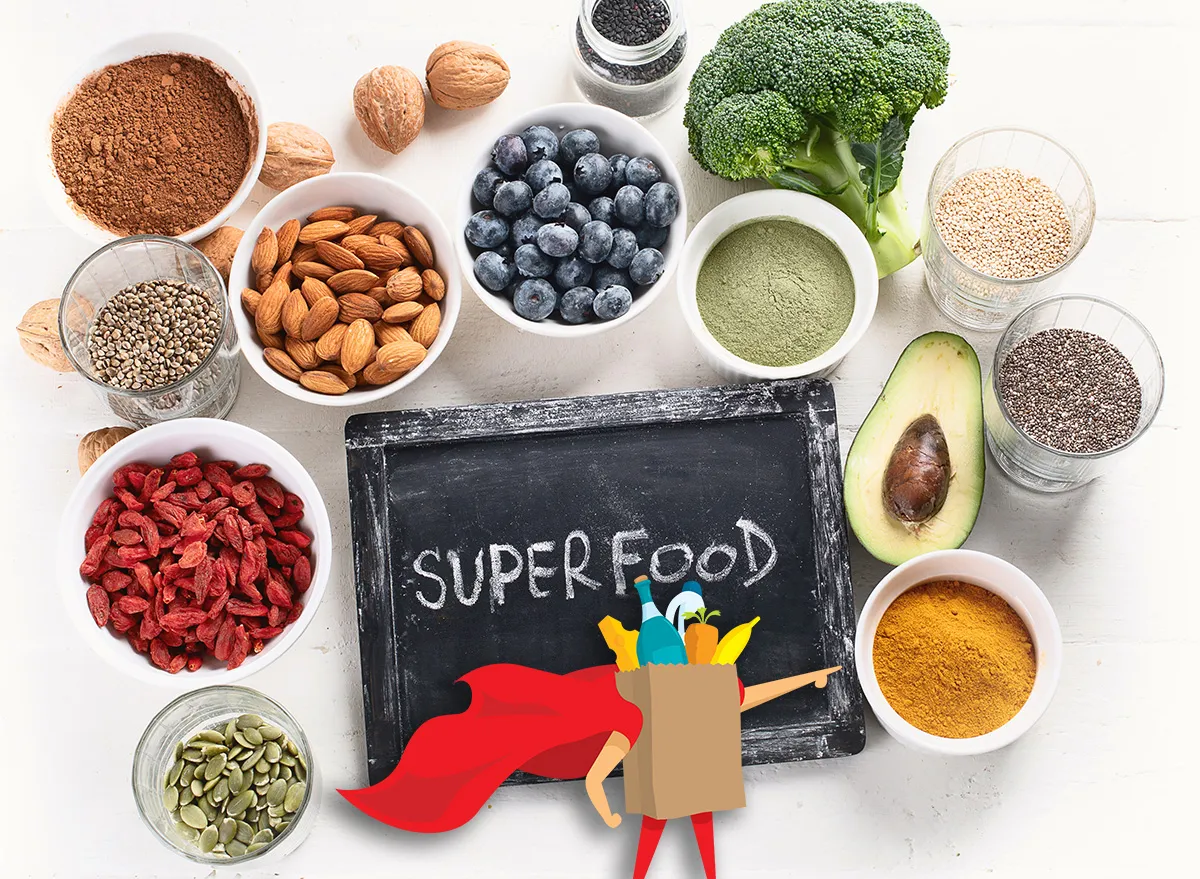
The term "superfood" often refers to nutrient-rich foods that offer substantial health benefits. Integrating these snacks into your daily diet can have a profound impact on overall well-being, particularly concerning metabolic health and insulin sensitivity.
Chia Seed Pudding: Chia seeds are a powerhouse of omega-3 fatty acids, fiber, and protein. When soaked, they form a gel-like consistency that can keep you feeling full. The high fiber content aids digestion and balances blood sugar levels, which is essential for those looking to maintain a steady energy supply throughout the day. The protein content also provides a slow release of energy, making this an ideal mid-morning snack. Chia seeds can be easily incorporated with almond milk or yogurt to create a tasty pudding.
Almonds: Known for their high healthy fat content, almonds are a fantastic snack option. They provide vitamin E, magnesium, and antioxidants, which support heart health and improve insulin sensitivity. A small handful can significantly boost energy levels and reduce hunger pangs without the need for high-calorie foods. Be mindful, though, of portion sizes, as they are calorie-dense.
Greek Yogurt with Berries: Greek yogurt is an excellent source of protein and probiotics. The probiotics can improve gut health, which is often linked to better metabolic function. Adding berries like blueberries or strawberries not only enhances the flavor but also introduces antioxidants and additional vitamins, fostering a nutrient-dense snack that helps manage blood sugar spikes.
Edamame: These young soybeans provide a plant-based source of protein, essential for building and repairing tissues. Edamame is rich in folate and vitamin K, contributing to bone health and reducing the risk of chronic diseases. A bowl of steamed edamame is both simple and satisfying, offering a balanced energy source.
Dark Chocolate: While it might be surprising to see chocolate on this list, dark chocolate with a high cocoa content is packed with antioxidants and can improve blood flow, which supports brain function. It releases serotonin, a neurotransmitter that enhances mood, making it not only a source of energy but also a mental pick-me-up.
Avocado Toast: Avocados are rich in monounsaturated fats, which are beneficial for heart health. They also provide a remarkable amount of potassium, helping to regulate blood pressure. Pairing mashed avocado with whole-grain bread ensures a snack that maintains its nutritional integrity, offering both energy and satisfaction.
Pumpkin Seeds: These seeds are filled with magnesium, zinc, and healthy fats. Magnesium is crucial for muscle function and energy production. Pumpkin seeds also contain tryptophan, an amino acid that can promote restful sleep, balancing daytime energy levels.
Hummus and Carrot Sticks: Hummus, made from chickpeas, is high in protein and fiber. This combination helps control appetite and provides a steady energy release. Pairing it with carrot sticks adds vitamins and an excellent crunch, making it an ideal option for those needing a quick energy boost.
Quinoa Salad: Quinoa is a complete protein, containing all nine essential amino acids. It is gluten-free and rich in lysine, which is vital for tissue growth and repair. A quinoa salad with mixed vegetables can be a filling and nutritious snack, supplying lasting energy without causing digestive discomfort.
Apple Slices with Peanut Butter: This snack offers a balance of carbohydrates, protein, and healthy fats. Apples provide vitamins and fiber, while peanut butter contributes protein and fat, slowing down the digestion of carbohydrates, which stabilizes blood sugar levels for sustained energy.
Walnuts: These nuts are high in omega-3 fatty acids, which have anti-inflammatory properties beneficial for heart health. Consuming walnuts can enhance brain function and help keep hunger at bay. A small portion can be quite filling due to their nutrient density.
Kale Chips: Kale is loaded with vitamins A, K, and C, along with fiber and calcium. Making chips from kale allows you to indulge in a crunchy snack while benefiting from its numerous nutrients. Kale chips can replace less healthy options like potato chips without compromising on flavor.
Cottage Cheese with Pineapple: Cottage cheese is low in fat but high in protein, making it a satisfying option. The addition of pineapple introduces vitamin C and bromelain, an enzyme that aids digestion. This combination is both refreshing and energizing.
Oats Overnight: Oats are a great source of beta-glucan, a type of soluble fiber that can improve cholesterol levels and heart health. Preparing oats overnight with milk or yogurt infuses them with added nutrition, and the slow-releasing carbs are an excellent energy source throughout the morning.
Seaweed Snacks: Rich in iodine and antioxidants, seaweed supports thyroid function, which regulates metabolism. These snacks are low in calories yet packed with nutrients, providing a savory flavor without any guilt.
These superfood snacks not only satisfy cravings but also improve health profiles by enhancing metabolic function and energy levels. Understanding how these foods interact with the body at the molecular level is key to leveraging their benefits effectively.
The integration of fiber, antioxidants, healthy fats, and proteins in these snacks addresses multiple nutritional needs. Fiber enhances digestive health and stabilizes glucose levels, important for insulin sensitivity. Antioxidants combat oxidative stress, which can exacerbate chronic conditions. Healthy fats promote cardiovascular health and support cognitive function, while proteins are essential for tissue growth and repair.
Superfoods stand out because they offer these attributes in a concentrated manner. They facilitate healthier snacking habits by offering nutrients often lacking in typical diets. By replacing energy-dense foods with these nutrient-rich options, individuals can maintain high energy levels without the risk of unhealthy weight gain.
Practical application is essential. Ensuring availability and ease of preparation might encourage more people to incorporate these snacks into their routine. Consider preparing batches ahead of time or choosing options like nuts and seeds that require minimal prep, thus reinforcing consistent consumption.
Incorporating superfood snacks leads to a pattern of eating that supports not only individual health goals but also broader health demographics. With rising awareness about the impact of diet on lifestyle diseases, these snacks represent both preventive and management strategies.
By understanding the nutritional benefits and mechanisms of action, consumers can better make informed choices that enhance their lives. Engaging with these superfoods not only empowers individuals to control their hunger and energy levels but supports a healthier, more sustainable lifestyle. The availability and popularity of superfoods continue to grow, emphasizing the importance of these snacks in modern dietary practices.
As we dive deeper into nutritional science, the evidence supporting these superfoods only solidifies. The intersection where dietary preferences meet health outcomes is crucial in shaping the future of food culture. Through these nutrient-rich snacks, individuals are offered a practical approach to achieving balanced and energized living.
*****
Source Description
[vid_desc]