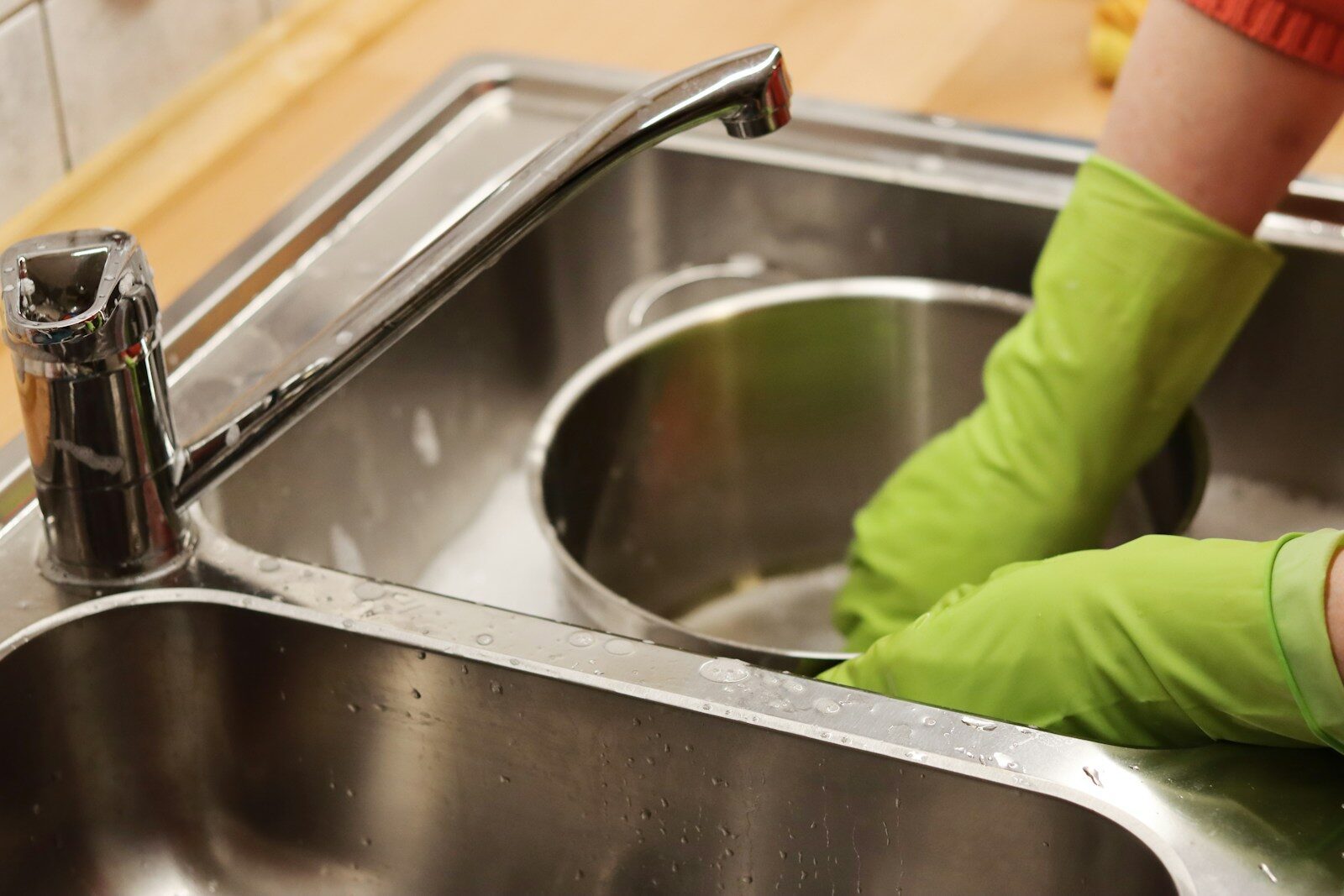
Summary of How to Stop Arguing About Household Chores: 13 Strategies for Couples:
The content discusses the complexities of managing shared household chores, emphasizing that conflicts often arise regarding task division, especially during significant life changes. Here are the key takeaways:
- Explicit Discussions: Have open conversations about chore expectations, especially during transitions.
- Value Differences: Recognize that what’s important to one person may not be for another; assign tasks based on individual preferences.
- Awareness of Contributions: Be cautious of “unconscious overclaiming” where individuals overestimate their contributions to chores.
- Delegate Wisely: If a task isn’t appealing to you, avoid doing it yourself; let others handle it.
- Task Necessity: Not all chores must be completed at all times; prioritize based on current needs.
- Respect Chore Methods: Don’t criticize others’ chore execution; let them do it their way.
- Acknowledge Efforts: Praise those who organize and remind others about tasks.
- Recognize Coping Mechanisms: Different people handle stress in various ways; understanding these differences can ease tensions.
- Consider Personality Types: Knowing each person’s tendencies can guide effective chore management.
- Use Humor: Lighten tense moments with humor about chores.
- Self-Change: Focus on what you can change in your own behavior to influence dynamics positively.
- Embrace Love: During stressful times, show kindness and flexibility with household responsibilities.
Ultimately, the advice encourages communication, understanding, and compassion to navigate household chores effectively.
*****
Summary Bullet Points
-
Explicit Discussion: Understanding each other’s expectations is the first step to resolving conflicts over household chores.
-
Value-Based Assignments: Align chores with individual preferences and values for a more harmonious household dynamic.
-
Recognition of Contributions: It’s essential to acknowledge everyone’s efforts, as individuals often overestimate their contributions compared to others’.
-
Adapting to Change: Recognizing how transitions in life, such as a new job or baby, can alter household rhythms helps couples adjust their chore charts.
- Remembering Love: Prioritizing kindness and empathy, especially during stressful times, fosters cooperation and deeper connections.
How to Stop Arguing About Household Chores: 13 Strategies for Couples
Sharing household chores can feel a bit like juggling flaming torches; one misstep and everything could burst into flames. Friction arises from unspoken expectations, differing values regarding cleanliness, and the mundane grind of daily tasks. As life transitions occur—whether it’s a new job, a baby, or a pandemic—these issues can intensify. So, how can couples navigate this minefield and cultivate harmony rather than resentment? Let’s dive into 13 unique strategies designed to untangle the web of household responsibilities.
1. Have an Explicit Discussion About Expectations
Open dialogues may seem mechanical but are essential for unearthing hidden grudges. Fuming over an unwashed dish won’t get you anywhere, and the dishwasher’s user may be utterly unaware of unvoiced expectations. They might think, “I did my part cleaning up after dinner,” while you’re left stewing in silence.
During significant life changes, discussion is paramount. The accumulated mess in the summer or the shift in dynamics due to a new child will necessitate a revisiting of these conversations. When life is already tumultuous, clarity about chores becomes a stabilizing force.
2. Just Because Something’s Important to You Doesn’t Mean It’s Important to Someone Else
Our values often diverge. A pristine kitchen might feel like a sanctuary to you, but for your partner, those dishes could very well be an afterthought. Recognizing these differences can transform a polarizing issue into a collaborative effort to find middle ground.
3. Assign Chores According to What People Value
If you have a penchant for keeping the kitchen spotless, it makes sense to own that responsibility. Conversely, if your partner can’t stand a cluttered living room but is indifferent about laundry, let them take charge of that space. This creates a sense of ownership and reduces friction.
4. Watch Out for “Unconscious Overclaiming”
This is the silent saboteur of couples everywhere. Research indicates that partners frequently overestimate their contributions, often adding up to a psychological inflation of responsibilities. When one spouse believes they’re doing more than the other, it breeds resentment, inadvertently highlighting the imbalance in perceptions.
Acknowledge and celebrate how each partner contributes uniquely. Doing so minimizes misunderstandings and fosters gratitude.
5. If You Don’t Want to Do a Task, Don’t Do It Yourself
This might sound paradoxical, but many fall into the trap of habitual “dumping” work onto themselves. If you find that you’re always the one doing the dishes, consider leaving them for another day. It’s possible that responsibility will shift to someone who cares about cleanliness—make it strategic.
6. Some Tasks Don’t Need to Be Done
Our cultural conditioning often imposes rigid standards on daily life. The truth is that many tasks are not essential. Re-evaluate what absolutely must be done versus what can slide. If letting the clutter accumulate for an extra day means less stress, embrace the chaos and liberally redefine your cleanliness expectations.
7. Don’t Criticize How Tasks Are Completed
Universality in household duties is a myth; everyone has their style. If your partner likes to do laundry all at once rather than every other day, that’s their choice. Imposing your method onto them can only breed discontent. Own your chores if you want them done a specific way.
8. Praise the Person Who Sets the Assignments
Sometimes, the unseen work of organizing tasks gets overlooked. Recognize and applaud the efforts of the partner who takes on the burden of planning; this mental load is crucial for a smoothly running household. Rewarding even small contributions can make chores feel less like a battle and more like a joint mission.
9. Recognize Differences in Dealing with Negative Emotions
Coping styles differ widely; some thrive on structure while others may prefer flexibility. One partner might become increasingly strict during stressful times, finding solace in a tight schedule, while the other may loosen the reins. Understanding this dichotomy can ease friction and foster empathy in tense situations.
10. Consider Individual Tendencies
Delving deeper into personality types can offer additional clarity on household dynamics.
- Upholders are all about explicit expectations. They thrive when guidelines are laid out clearly.
- Questioners want to know the “why” behind chores. Engaging them in reasoned discussions can align their motivations with household needs.
- Obligers often require external accountability, which means chore charts and schedules might work wonders.
- Rebels want autonomy. Letting them work on tasks in their style and timeline is crucial.
Awareness of these tendencies opens the door to more efficient collaboration, reducing tension and misunderstanding.
11. Make a Joke of It
Whimsy can diffuse tension. If you find humor in the chaos of chores, maintaining lightness while making your needs known can lead to unexpected breakthroughs. A whimsical remark might spark a conversation rather than an argument.
12. Remember That the Only Person We Can Change Is Ourselves
Recognize that you can only control your behavior. By changing how you address chores—perhaps by adopting a more positive or forgiving attitude—you can influence the overall atmosphere of your home. Your transformation might inspire them to step up their commitment, changing dynamics for the better.
13. Remember Love
Stressful life transitions can make the smallest disturbances feel monumental. During such times, reminding ourselves of the love that underpins our relationships can help us transcend beneath the burden of resentment. Caring actions can mean letting go of minor annoyances or lending a hand even when the task feels trivial.
As Henri-Frederic Amiel wisely noted in his Journal Intime, “Life is short, and we have never too much time for gladdening the hearts of those who are traveling the dark journey with us. Oh, be swift to love, make haste to be kind!”
In navigating the murky waters of household chores, a blend of communication, consideration, and camaraderie can transform drudgery into a pleasing rhythm. Every relationship is uniquely crafted, and these strategies can help forge a more balanced dynamic. By fostering understanding, one can cultivate a nurturing environment filled with collaboration, respect, and a shared sense of purpose. Embrace this journey with an open mind and heart, and watch your home flourish!