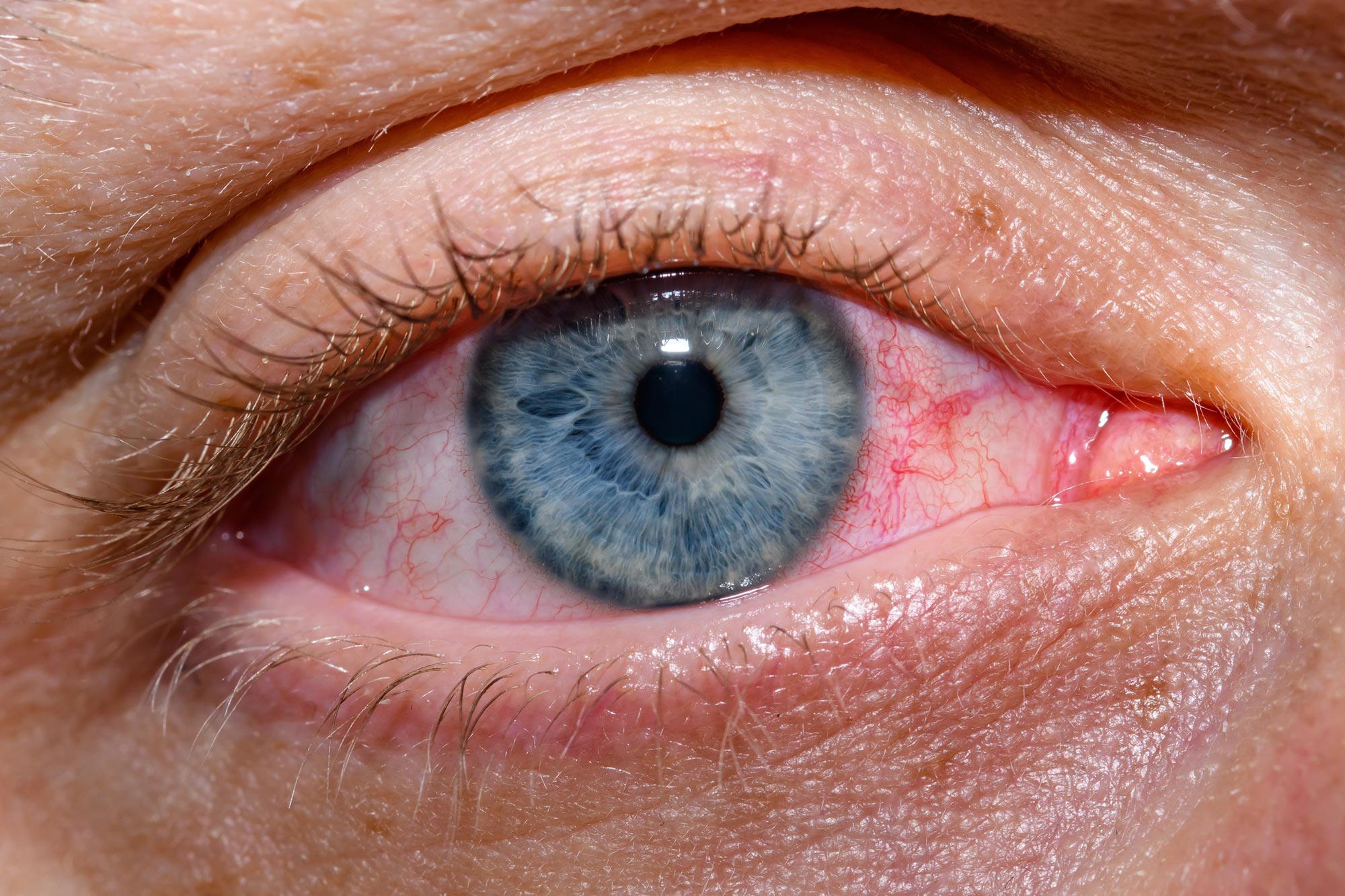
Summary of Scientists Develop Experimental Eye Drop That Could Transform Dry Eye Treatment:
Researchers from Baylor College of Medicine and Okayama University have created an experimental eye drop aimed at treating dry eye disease by enhancing the eye’s protective defenses rather than just reducing inflammation. The treatment, named NEt-3IB, showed promise in mouse studies by alleviating major symptoms of dry eye, such as inflammation and corneal damage, while preserving vital goblet cells that maintain tear film stability. Unlike steroids, which can cause severe side effects, this new approach appears to safely promote immune health without significantly raising intraocular pressure. Further human studies are needed to assess the safety and effectiveness of the drops for widespread use.
*****
Summary Bullet Points
- Scientists at Baylor College of Medicine and Okayama University developed experimental eye drops that aim to improve dry eye disease treatment.
- The drops work by enhancing the eye’s natural defenses and reducing inflammation through the activation of protective immune cells, specifically macrophages.
- Current treatments often use steroids that carry risks; the new eye drops promise safer, alternative methods.
- Early studies in mice show reduced symptoms and damage associated with dry eye disease, paving the way for potential human trials.
- The research highlights the intricate relationship between the immune system and eye health, potentially redefining how eye conditions are treated.
Exploring the Future of Dry Eye Treatment
Dry eye disease; for many, encountering this condition feels like striking an unwelcome chord in the symphony of everyday life. The discomfort—irritation, redness, blurred vision—can sap enthusiasm faster than a long Monday afternoon. Now, imagine a world where relief is at hand, not through the familiar routines of over-the-counter drops or steroidal medications, but through an innovative experimental eye drop developed by researchers keen on pushing the boundaries of traditional treatments.
At the forefront of this scientific breakthrough are the dedicated experts from Baylor College of Medicine and Okayama University in Japan. They’re not just crossing their fingers and hoping for the best; they are transforming hopes into action through a new eye drop that not only calms inflammation but also revitalizes the body’s own defenses against this common ailment. Their work leads us into an exciting era of dry eye treatment that could reshape the lives of millions.
The Dynamics of Dry Eye Disease
Each blink of the eyes may seem trivial, but what if with every single blink, a fleeting moment of discomfort loomed? This is exactly the experience many with dry eye disease undergo. Dr. Stephen C. Pflugfelder, a professor of ophthalmology, articulates the significance of addressing this condition: “Dry eye disease occurs more commonly as we age and in women.” This is not merely a cosmetic hiccup; it can impact daily activities like reading, driving, or even enjoying a walk in the park.
As tear production dips or tears evaporate too quickly—often exacerbated by environmental conditions—health risks evolve. Severe cases can lead to persistent damage to the eye’s surface, creating a cycle of irritation that can feel unending. And conventional interventions, notably steroid use, can have adverse effects, including increased pressure in the eye leading to glaucoma. Hence, the quest for a safer alternative becomes paramount.
Embracing Innovation: The Role of the Immune System
Here’s where things take an intriguing turn. The immune system, often seen as a sword wielded against pathogens, also plays a fundamental role in maintaining eye health. Resident macrophages—cells that patrol the eye—are the unsung heroes that help maintain clarity and lubrication. Unfortunately, in the narrative of dry eye disease, these valiant protectors can falter, leading to chaos within the eye environment.
The magic lies in the transformation encouraged by the new eye drop, known as NEt-3IB. This compound supplements the protective role of resident macrophages and modulates their behavior positively. Imagine waking up and discovering that your body’s defenders are not just holding the line but charging forward to restore the equilibrium of your visual world.
The Scientific Breakthrough
In the studies conducted, NEt-3IB eye drops showed remarkable results. We see a shift toward better performance of macrophages, suppressing harmful inflammatory responses while boosting the production of healing compounds. For those with dry eye, this translates to reduced inflammation and better safeguarding of corneal integrity.
The researchers saw not just a fleeting temporary fix. They noted the health of goblet cells—specialized cells critical for tear film stability—was maintained even in adverse conditions. Such resilience opens doors to a new paradigm in dry eye management.
A Journey Towards Human Applications
While the allure of these findings is exhilarating, let’s not color the journey with undue optimism. There is a road ahead. Shared hopes must be underpinned by ethical, safe, and effective human trials. The results from the mouse studies signal a promising beginning, yet these results must repeat in humans to truly validate the effectiveness and safety of NEt-3IB.
As Dr. Pflugfelder aptly summarizes, “We hypothesized that boosting the function of the protective macrophages could reduce inflammation and improve eye health.” Hence, there remains a continuous quest for that sweet spot where innovation, safety, and public health intersect.
Why This Matters for You
Now, let’s shift gears and consider the bigger picture of how research impacts your life. This exploration highlights two foundational aspects of our human experience: health and hope. When you grasp the dynamics of scientific breakthroughs, it empowers you to advocate for better treatment options actively.
Imagine having a conversation about your eye concerns armed with the latest information. You could engage your healthcare providers with confidence or, quite simply, explore emerging therapies that genuinely resonate with your health goals.
Moreover, consider how this research reflects the power of collaboration and cross-disciplinary efforts. The partnership between Baylor and Okayama University embodies history’s lesson that we achieve more together than apart. Could this inspire you to seek collaborative efforts in your life, whether in your career, education, or personal projects?
An Invitation to Stay Informed
Innovation should not be a passive affair. Just as the foundation for NEt-3IB was laid through relentless research and collaboration, your journey through health and wellness can similarly be marked by proactive steps. Staying informed could make a difference in understanding the evolving landscape of treatments.
Imagine receiving the latest research updates and community discussions directly in your inbox—knowledge serves as a powerful tool, reminding you that the struggles you face are often shared and that solutions are continuously emerging in the scientific field. Joining newsletters, participating in discussions, or simply keeping an eye on trending topics through trusted platforms can empower you in ways that directly impact your life.
The Road Ahead: Building Resilience
As we venture forth, keep an eye on the horizon where science and hope meet. Acknowledging the power of research is vital; but equally essential is nurturing your resilience. Each small step you take—whether learning more about dry eye disease, sharing your experiences, or expanding your understanding of treatment options—plays a crucial role in reshaping the dialogue around your health.
Your ability to adapt, process information, and engage in meaningful conversations lays the groundwork for a future where you wield control over your eye care choices, while the innovative treatments like NEt-3IB move closer to the forefront.
Conclusion: A New Chapter in Dry Eye Treatment
The development of experimental eye drops like NEt-3IB marks a pivotal moment in the treatment of dry eye disease. With the potential to empower the very mechanisms our bodies use to maintain clarity and comfort in vision, these advancements open doors to exciting possibilities.
As you navigate through your experiences, whether personal or communal, remember that knowledge is a powerful ally. Opportunity for improvement in health is not just about the individual but a collective journey. Engage, inquire, and empower yourself with information that uplifts and inspires. As the horizon expands with the prospect of innovative treatments, hold onto that curiosity—it might just illuminate the path ahead in ways you never anticipated.
With every blink—now think of it not just as a reflex but as a bridge between knowledge and transformation, leading you toward a brighter, more comforting experience in your world of vision. As reality unfolds, may curiosity propel you forward into the evolving landscape of health and well-being.