- Understanding the Importance of Penis Health
- Dietary Influences on Sexual Health
- Common Medical Issues Affecting Men’s Sexuality
- Lifestyle Choices and Their Impact on Overall Health
- The Role of Mental Well-Being in Sexual Health
Understanding the Importance of Penis Health
Penis health is a crucial aspect of men’s overall well-being that often goes overlooked. It encompasses various physical, psychological, and relational dimensions. A healthy penis can significantly impact sexual performance, fertility, and self-esteem. Conditions like erectile dysfunction or penile infections can negatively affect not just physical health but also mental well-being and relationships. Awareness is the first step. Men need to recognize the signs that indicate potential health issues, such as changes in appearance, unusual sensations, or difficulties during arousal and erection.
Routine self-examinations can be beneficial. Changes in skin texture, discoloration, or lumps may signal underlying health problems. Regular check-ups with healthcare professionals are also crucial for early detection and treatment of issues. Proactive measures can lead to early interventions that may address potential problems before they escalate into more serious conditions.
Dietary Influences on Sexual Health
Nutrition plays an essential role in maintaining penis health. Certain foods and dietary patterns can have a significant impact on sexual function and libido. For instance, diets high in saturated fats, trans fats, and refined sugars can contribute to metabolic disorders and reduced insulin sensitivity, which can ultimately affect sexual performance. Studies have shown that diets rich in fruits, vegetables, whole grains, and lean proteins can improve cardiovascular health, which is closely tied to erectile function.
Foods rich in antioxidants, such as berries, nuts, and leafy greens, help combat oxidative stress, which can impair blood flow. Ingredients like dark chocolate, known for its flavonoids, can also improve circulation. Furthermore, specific vitamins and minerals, such as zinc and vitamin D, are crucial for hormone regulation and sexual function. Foods like oysters and fatty fish provide these essential nutrients.
It’s also vital to consider hydration. Dehydration can lead to reduced blood volume, impacting sexual arousal and performance. Therefore, maintaining an adequate fluid intake is essential for optimizing sexual health.
Common Medical Issues Affecting Men’s Sexuality
Various medical conditions can interfere with sexual health. Erectile dysfunction (ED) is a common issue affecting many men, especially as they age. ED can result from psychological factors, such as stress and anxiety, or physiological factors like cardiovascular diseases, diabetes, and hormonal imbalances. Conditions that affect blood flow, such as hypertension and atherosclerosis, are particularly detrimental to erectile function.
Additionally, infections like sexually transmitted diseases (STDs) can compromise penile health. It’s essential for men to engage in safe sexual practices and to regularly check for STDs as these can lead to complications if left untreated. Prostatitis, inflammation of the prostate gland, can also contribute to issues with pain during intercourse and sexual dysfunction.
Men should also be aware of Peyronie’s disease, which results from the development of fibrous scar tissue inside the penis. This condition can lead to curvature during erections, causing pain and difficulty with sexual performance. Early diagnosis and intervention can help manage these conditions effectively.
Lifestyle Choices and Their Impact on Overall Health
Lifestyle habits play a crucial role in maintaining penis health. Physical activity is vital for promoting blood circulation and reducing the risk of metabolic diseases that can negatively impact sexual performance. Regular exercise has been shown to improve cardiovascular health, which is essential for adequate blood flow during arousal.
On the other hand, smoking and excessive alcohol consumption can severely hinder erectile function. Nicotine restricts blood flow, and excessive alcohol can lead to hormonal imbalances. Men are encouraged to adopt healthier habits, focusing on moderation and balance.
Sleep patterns also significantly influence sexual health. Poor sleep can lead to hormonal imbalances, particularly lowering testosterone levels, which can negatively impact libido. Establishing a consistent sleep routine and prioritizing quality sleep can foster better overall health, including improved sexual function.
Mental well-being is another crucial element. Stress and anxiety can lead to decreased sexual desire and performance. Practicing mindfulness and relaxation techniques, such as yoga or meditation, can benefit both mental health and sexual function.
The Role of Mental Well-Being in Sexual Health
Mental health is intricately linked to sexual health. Psychological issues can manifest in various ways, impacting libido and sexual performance. Stress, depression, and anxiety can contribute to erectile dysfunction, making it essential to address mental health concerns alongside physical health.
Communication with partners about sexual desires and concerns can alleviate some of the stress surrounding sexual encounters. Additionally, seeking professional help when needed can pave the way for healthier relationships and improved sexual health. Therapy or counseling can be particularly beneficial for those struggling with performance anxiety or body image issues.
Understanding that penis health is not solely a physical matter can foster a more holistic approach. Men should feel empowered to discuss these issues candidly with healthcare providers. Doing so can lead to comprehensive treatment plans that address both physical and psychological aspects of sexual health.
Proactive measures, awareness of dietary influences, lifestyle impacts, common medical issues, and mental well-being are vital components that contribute to penis health. Each man’s body is different, and a proactive approach to understanding and maintaining penis health can significantly enhance quality of life and intimate relationships. As men seek to improve their overall health, recognizing the interplay between physical, mental, and relational factors will empower them to achieve optimal sexual health.
*****
Source Description
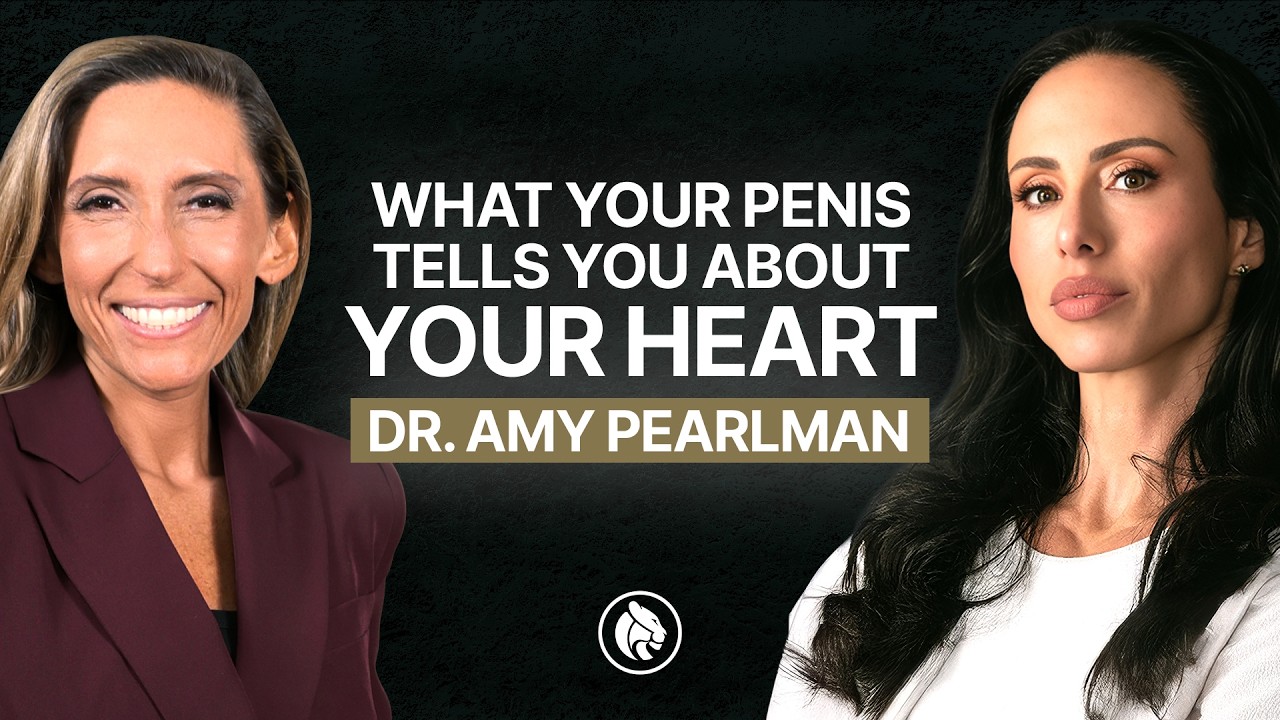
Most men think erectile dysfunction is a bedroom problem. It’s actually one of the earliest warning signs of cardiovascular disease, capable of showing up three to five years before a heart attack.
In this episode, Dr. Gabrielle Lyon sits down with Dr. Amy Pearlman, a urologist trained in men’s sexual health, to discuss:
– Why ED is a symptom of vascular health, not a standalone disease and how the artery feeding the heart is roughly double the size of the one feeding the penis, so problems show up “down there” first
– Why “normal” testosterone can be meaningless, and the questions to ask before accepting a lab result that didn’t flag
– How daily erections preserve penile tissue the way water keeps a sponge supple and why disuse can cost noticeable size over just a few months
– That cardiovascular exercise can rival ED medication for improving erectile function, making your heart health the real fix
– How to track erectile fitness before there’s a problem, instead of waiting until something breaks
By the end, you’ll understand the single signal your body uses to flag heart and metabolic risk early and the simple, mostly drug-free steps that protect both your cardiovascular health and your sexual function for life.
Thank you to our sponsors:
– Manukora – Go to https://bit.ly/3RCMrKx to save 31% plus $25 worth of free gifts.
– Timeline – Get 20% off your Mitopure order at https://bit.ly/4dW6BGN
– Bon Charge – Save 15% at https://bit.ly/433Xi2B with code DRLYON
Explore More from Dr. Gabrielle Lyon
– Premium Podcast Subscription: Ad-free episodes, key takeaway summaries, exclusive Q&A, and behind-the-scenes content https://foreverstrong.supercast.com
– Weekly newsletter: Recipes, podcast updates, and practical weekly insights https://drgabriellelyon.com/sign-up/
– Apply to become a patient: Personalized care with Dr. Lyon’s clinical team https://drgabriellelyon.com/new-patient-inquiry/
Listen to “Pearls of Wisdom” on all your favorite platforms!
Spotify: https://open.spotify.com/show/4uOhWn5DeVXO7D2ppa0RoV
Apple Podcasts: https://podcasts.apple.com/us/podcast/pearls-of-wisdom/id1617916659
Find Dr. Amy Pearlman at:
Website: https://www.primeinstitute.us/
YouTube: https://youtube.com/@DocAmyUrology?si=oJ2LZ_sxMPYTaK41
Instagram: https://www.instagram.com/amypearlmanmd/
X: https://x.com/AmyPearlman1
LinkedIn: https://www.linkedin.com/in/amy-pearlman-54a2b0208
Connect with Dr. Gabrielle Lyon:
Instagram: https://www.instagram.com/drgabriellelyon/
TikTok: @drgabriellelyon
X (Twitter): https://x.com/drgabriellelyon
Facebook: https://www.facebook.com/doctorgabriellelyon
Timestamps
00:00 – Introduction: ED as a heart warning
01:25 – Erections predict cardiac events
01:41 – The pen and artery analogy
03:40 – No health milestones for men
07:52 – Normal structure and function
11:45 – The five S’s of men’s health
21:24 – Why “normal” testosterone misleads
25:00 – Testosterone and fertility risk
31:05 – Steroids versus FDA-approved agents
41:13 – The untreated 25-year-old
43:56 – Sperm health and home testing
52:02 – Peyronie’s disease and injury
1:01:34 – Protein, nutrition, supplements
1:05:09 – Daily Cialis as a pre-workout
1:13:32 – The sponge analogy
1:15:31 – Erectile fitness tracking
1:23:05 – The penis pump, used right
1:27:24 – Restoring lost size
1:35:00 – Traction and girth enhancement
1:46:00 – Women’s anatomy and pleasure
If you found this episode valuable, share it with someone who would benefit from it.
Disclaimers: This episode includes paid sponsorships.
The Dr. Gabrielle Lyon Podcast and YouTube are for general information purposes only and do not constitute the practice of medicine, nursing, or other professional health care services, including the giving of medical advice, and no doctor/patient relationship is formed. The use of information on this podcast, YouTube, or materials linked from this podcast or YouTube is at the user’s own risk. The content of this podcast is not intended to be a substitute for professional medical advice, diagnosis, or treatment. Users should not disregard or delay in obtaining medical advice for any medical condition they may have and should seek the assistance of their health care professional for any such conditions.