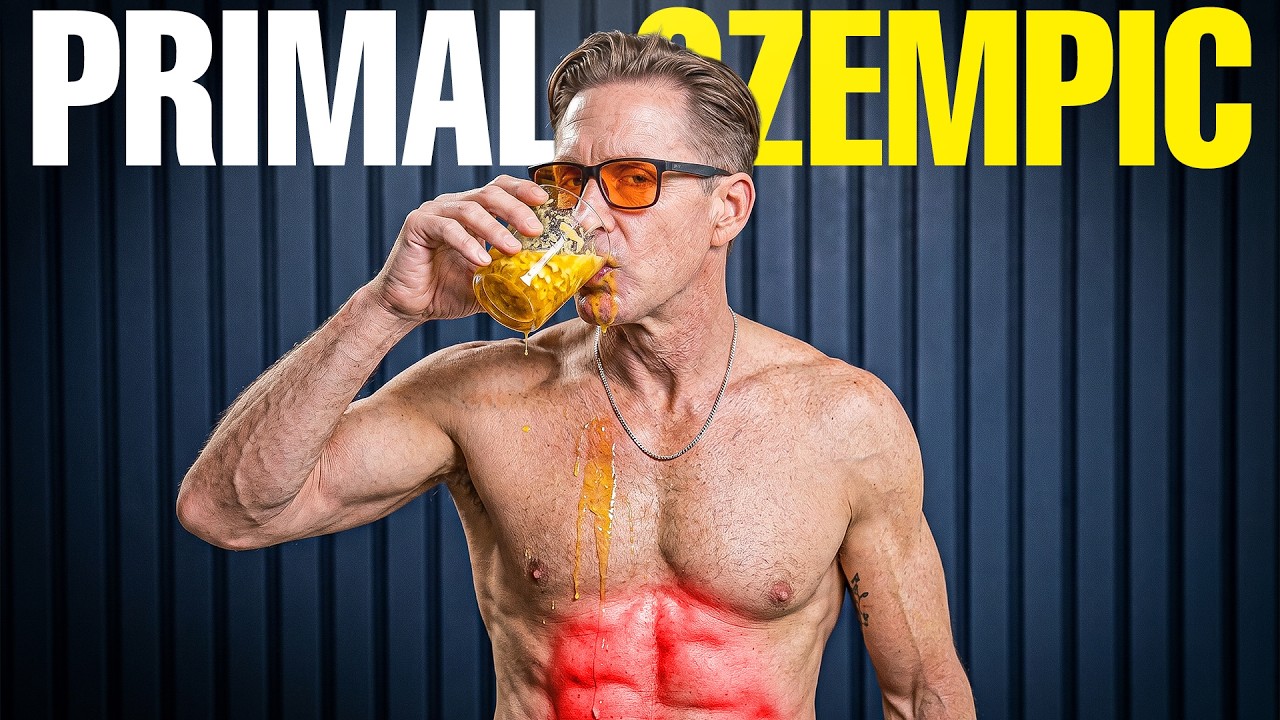
- The role of dietary fat in weight loss and body composition.
- The impact of insulin sensitivity and metabolic health on weight.
- Personal experiences of losing 100 pounds through diet.
- Practical strategies for implementing a fat-rich diet.
- Common myths and misconceptions about dietary fats.
Dietary fat has received both praise and criticism throughout the dietary landscape. For many, the notion that consuming fat can lead to significant weight loss might feel counterintuitive. Yet, there are compelling reasons to consider how fat consumption can influence body composition, health, and overall weight management.
Drawing from a personal journey of losing 100 pounds, the approach centered on the consumption of fats served not just as a catalyst for weight loss, but also as a means to achieve metabolic enhancements. The science illustrates that the body can adapt to use fat as a primary energy source, thereby transforming body composition and improving body aesthetic.
Understanding insulin sensitivity is pivotal in discussing weight loss. Insulin resistance, a condition where the body’s cells do not respond effectively to the hormone insulin, can lead to weight gain and make losing weight more arduous. When fat is incorporated intelligently into one’s diet, it can lead to improved insulin sensitivity. When insulin sensitivity is enhanced, the body becomes more adept at utilizing glucose for energy instead of storing it as fat. This dance of fat and carbohydrates in the body is integral to understanding the weight loss process.
Experiencing the transformation firsthand illustrates how dietary choices influence well-being. The journey began with an exploration of food options, gradually shifting away from sugar-laden products and calorie-dense foods that offered little nutritional value. A focus on whole foods enriched with healthy fats—such as avocados, nuts, seeds, and fatty fish—supplied energy without empty calories. The high-calorie content of these foods, when consumed mindfully, allows for satiety without excessive overeating, facilitating weight loss while still maintaining energy levels.
Incorporating fat into the diet can be straightforward with some practical strategies. Meal planning plays a crucial role. Preparing meals ahead of time can help in avoiding impulsive, less healthy food choices. Using healthy fats as the base of meals, such as cooking with olive oil or adding avocados to salads, can enhance flavors and provide essential nutrients.
The principles behind dietary fats also address several misconceptions that have permeated discussions about nutrition. One common myth is that eating fat automatically leads to increased body fat. Research supports the notion that not all fats are created equal. Healthy fats, such as omega-3 and monounsaturated fats, play essential roles in reducing inflammation and improving heart health. Conversely, trans fats and excessive saturated fats can contribute negatively to well-being.
Another myth asserts that low-fat diets are the most effective for weight loss. Yet, this approach often overlooks the importance of full macronutrient balance. Studies indicate that diets incorporating balanced amounts of fats can lead to weight loss while preserving lean muscle mass, particularly when combined with regular exercise.
As one dives deeper into the metabolic benefits of a fat-rich diet, the science becomes even more fascinating. The body has a unique ability to switch between different energy sources. When fat intake is increased, the body can enter a state known as ketosis, where it relies on fat stores for energy. Ketogenic diets have gained popularity for this very reason, showcasing how efficiently the body can burn fat, potentially leading to rapid weight loss and improved cognitive function.
Moreover, the psychological aspect shouldn’t be neglected. The mind-shift from a calorie-focused approach to a quality-focused one—focusing on how foods nourish rather than merely "counting calories"—can have profound effects. A mindful relationship with food enriches the dieting experience, allowing individuals to appreciate flavors, textures, and nutritional benefits rather than merely viewing food as a number.
Implementing fats into a weight-loss regimen also necessitates an awareness of personal preferences and lifestyle. Everyone’s dietary needs differ. Some individuals may thrive on a high-fat approach, while others may require different macro distributions for optimal functioning. Therefore, personal exploration of dietary preferences can lead to long-lasting success in weight management.
The narrative of losing 100 pounds does not merely illustrate a number on a scale; it embodies a transformation in health and wellbeing. Lifestyle choices can significantly impact health markers like cholesterol levels, blood pressure, and overall metabolic function. As the journey unfolded, these metrics saw marked improvement, showcasing the broader health implications of dietary fat consumption on wellbeing.
In exploring dietary changes, support systems can amplify success. Surrounding oneself with like-minded individuals, whether online or in local communities, can create accountability and provide motivation. Platforms, groups, and forums focused on similar dietary philosophies can foster camaraderie and inspire patients to continue pushing forward on their weight loss journeys.
As individuals consider their dietary approaches, they frequently encounter various textures of lifestyle proposals. Rather than viewing a new diet as a temporary adjustment, framing it as a long-term lifestyle adjustment promotes sustainable habits. Following a tailored eating pattern rich with healthy fats can foster not just weight loss but improved overall well-being, making health-focused choices feel gratifying rather than restrictive.
Lastly, understanding the broader societal implications of dietary fat consumption illustrates a more qualitative perspective. Public perceptions and guidelines surrounding fats in diets can influence grocery store offerings, school lunch programs, and even the societal view of body image. Challenging prevailing myths with robust science equips individuals with the knowledge to make informed choices, encouraging more balanced perspectives around foods that nourish.
As attention turns toward nutrition science, the weight of the conversation must navigate away from popular fads and embrace an evidence-based approach that recognizes the myriad benefits of dietary fat. Empowering individuals to adopt healthier eating patterns can pave the way for improved health and vitality. Those seeking to revolutionize their dietary habits may find that embracing fats is not just a method for losing weight but a pathway toward an enriched state of well-being.
Ultimately, the narrative surrounding the phrase "I Drink Fat To Look Shredded" epitomizes a broader discussion about dietary fats, weight loss, and metabolic health. This multifaceted approach not only prioritizes individual gains but also emphasizes the collective need for informed, healthy living across communities. By raising awareness and engaging with the science behind food choices, lasting change can become possible. Engaging with foods that elevate health, nourish the body, and support longevity serves as both a personal endeavor and a societal necessity.
*****
Source Description
I used to weigh 300 pounds. I tried every restrictive diet, became a vegan, and trained 90 minutes a day for 18 months with absolute zero results. Everything changed when I drank a cup of yak butter tea at 18,300 feet in Tibet. Within 30 seconds, my severe brain fog lifted, and my metabolism completely shifted.
In this video, I break down exactly why adding sugar to your morning coffee is destroying your metabolism, spiking your insulin, and keeping you fat. I explain the hard science behind the alternative: blending “fat cubes” (grass-fed butter) and MCT oil into your coffee. I reveal how this specific combination of butyrate, CLA, and medium-chain triglycerides bypasses traditional digestion to go straight to your liver, instantly converting into ketones for pure brain fuel. You’ll learn how eating more fat actually trains your body to burn its own stored fat, allowing me to hit 4.8% body fat at 50 years old with a biological age in my 30s—without hunger, without a 3 PM crash, and without living in the gym.
Connect with Dave Asprey!
Website: https://daveasprey.com
TikTok: https://www.tiktok.com/@daveaspreyofficial
Instagram: https://www.instagram.com/dave.asprey/
Facebook: https://www.facebook.com/Daveaspreyofficial/
X: https://x.com/daveasprey
YouTube: https://www.youtube.com/c/daveaspreybpr
The Human Upgrade Podcast: https://www.instagram.com/TheHumanUpgradePodcast/ https://m.facebook.com/Thehumanupgrade/
Danger Coffee: https://dangercoffee.com/DAVE15
Dave Asprey’s BEYOND Conference: https://beyondconference.com/
Dave Asprey’s New Book – Heavily Meditated: https://daveasprey.com/heavily-meditated/
Dave’s favorite supplements: https://www.shopsuppgradelabs.com/discount/DAVE15
Join my Substack: https://substack.daveasprey.com
Upgrade Labs: https://upgradelabs.com
40 Years of Zen: https://40yearsofzen.com