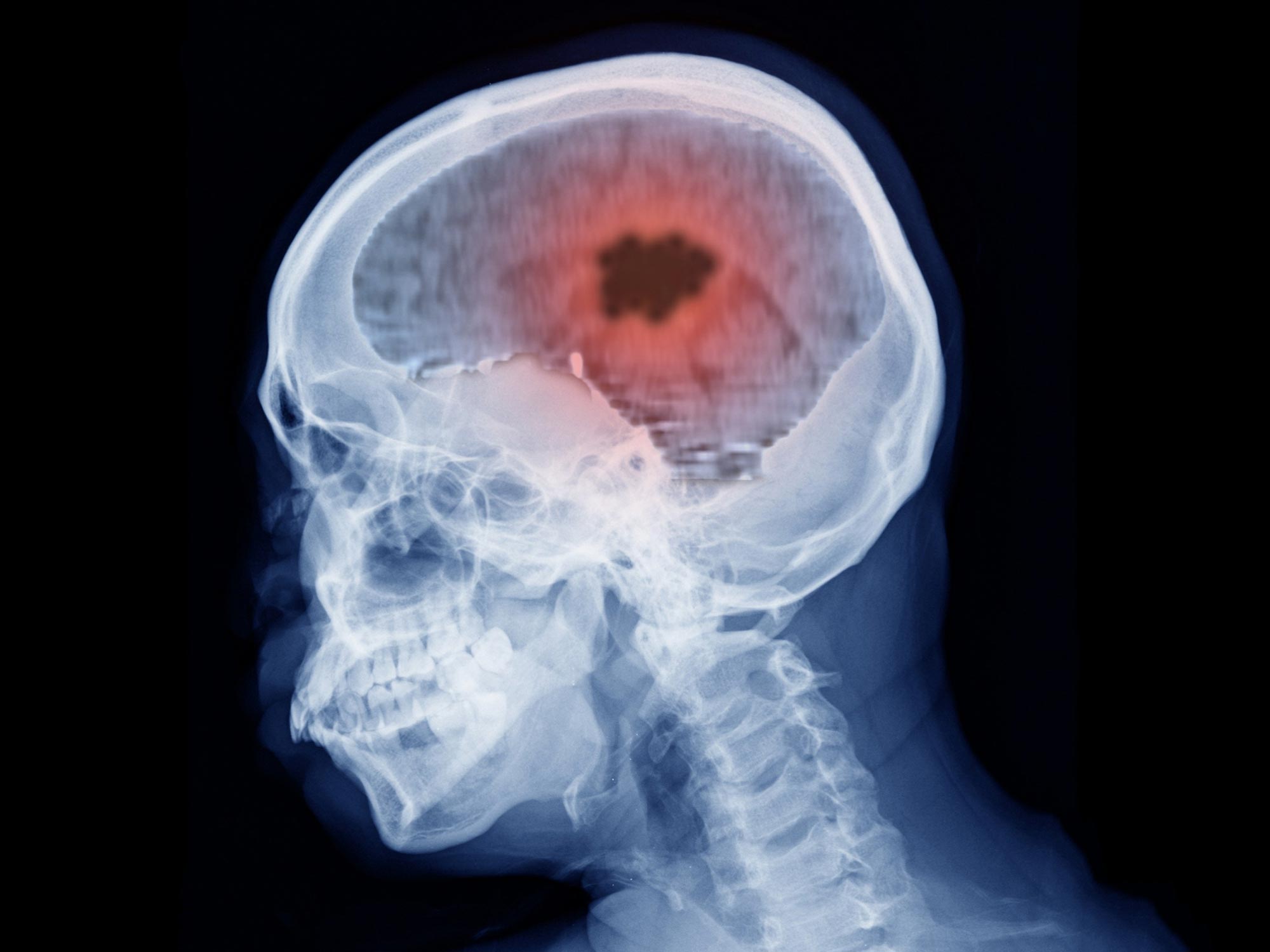
Summary of New Vitamin B12-Based Therapy Could Change How Brain Cancer Is Treated:
Researchers have discovered a modified form of vitamin B12, known as nitrosylcobalamin (NO-Cbl), that can cross the blood-brain barrier (BBB) and selectively target glioblastoma tissue. This ability may provide a new approach to overcome treatment resistance in brain cancer, one of the deadliest cancer forms, where accessing cancer cells has been a significant challenge.
In experiments, NO-Cbl demonstrated antitumor effects across various cancer types and specifically in glioblastoma. It was shown to accumulate in tumor tissue while remaining lower in normal tissues. The compound also enhanced the effectiveness of existing glioblastoma treatments, showing synergistic effects when combined with therapies like TRAIL and temozolomide.
The study indicates that NO-Cbl could trigger mechanisms that improve sensitivity to treatment in resistant glioblastoma cases. While these findings are promising, the researchers note that further studies are needed to validate these results for clinical application. Overall, NO-Cbl represents a potential new therapeutic strategy for treating glioblastoma by improving drug delivery and reducing treatment resistance.
*****
Key Points
- Novel Compound: Researchers have identified nitrosylcobalamin (NO-Cbl), a modified vitamin B12 compound, as a promising agent in targeting glioblastoma.
- Blood-Brain Barrier Challenge: The compound demonstrates the ability to cross the highly selective blood-brain barrier, which has historically hindered effective brain cancer treatments.
- Synergistic Potential: NO-Cbl not only shows effectiveness on its own but also enhances the efficacy of existing therapies like temozolomide.
- Addressing Treatment Resistance: The study indicates that NO-Cbl may help overcome drug resistance, a significant barrier in treating glioblastoma.
- Future Outlook: While early results are promising, further research is needed to move towards clinical application, emphasizing the potential of innovative solutions in oncology.
The Promise of a New Vitamin B12-Based Therapy for Brain Cancer
We live in a remarkable age where science is unraveling the mysteries of the human body at an unprecedented pace. Among the plethora of breakthroughs emerging from laboratories is a tantalizing prospect: a vitamin B12-based therapy that could revolutionize the treatment of brain cancer, specifically glioblastoma, one of the most aggressive forms of this disease. While it may sound like something straight out of a science fiction novel, the foundations for this promising treatment are very real and grounded in rigorous research.
The Blood-Brain Barrier: A Double-Edged Sword
To understand the significance of this discovery, we must first appreciate the challenges presented by the blood-brain barrier (BBB). This remarkable structure serves as the brain’s fortress, protecting it from harmful substances while allowing in essential nutrients. However, this very protective mechanism complicates the treatment of brain tumors. In many cases, chemotherapy drugs are unable to penetrate this barrier, rendering them ineffective against cancers that literally reside in the brain.
Meet Nitrosylcobalamin (NO-Cbl)
Researchers have recently turned their attention to a novel compound known as nitrosylcobalamin (NO-Cbl). As an analog of vitamin B12, NO-Cbl has shown remarkable potential in preliminary studies. The research, spearheaded by Joseph A. Bauer from Nitric Oxide Services, LLC, and the Cleveland Clinic Foundation Taussig Cancer Center, has provided exciting evidence that NO-Cbl can cross the BBB and preferentially accumulate in glioblastoma tissue.
Imagine this: the ability to transport a potent cancer-fighting agent directly into the heart of a tumor. This marks an exciting turning point in brain cancer research.
Exploring NO-Cbl: Laboratory Findings and Animal Studies
In studies involving a variety of models, researchers tested how NO-Cbl performed across multiple types of human tumors, paying special attention to those found in the central nervous system. What they found was nothing short of inspiring. Central nervous system tumor cell lines responded notably well to NO-Cbl treatment.
When examined in rats with glioblastoma tumors, it was found that the compound crossed the BBB effectively after systemic administration. Elevated tumor nitrate levels persisted for at least 24 hours post-treatment, while levels in adjacent healthy tissue declined much faster. This selective accumulation suggests a targeted approach, delivering nitric oxide right where it’s needed most—to the tumor microenvironment.
Synergy with Existing Treatments
But the potential benefits of NO-Cbl don’t stop there. The research team also investigated whether incorporating NO-Cbl into existing therapies, such as TRAIL and temozolomide, could amplify their effects. The results were striking. When combined, these treatments led to greater suppression of tumor cell proliferation than either therapy administered alone.
This synergistic interaction opens up new possibilities for enhancing the effectiveness of current treatments, potentially improving outcomes for patients battling glioblastoma.
Overcoming Treatment Resistance
One of the most disheartening aspects of cancer treatment is the ability of tumors to develop resistance to therapies. This has plagued the treatment of glioblastoma, leading to poor prognoses for patients. Remarkably, the research on NO-Cbl delves into how it may combat this very issue.
The findings indicated that NO-Cbl can trigger apoptosis, or programmed cell death, through specific cellular pathways. It inhibits survival signals that tumors rely on and enhances the signaling of death receptors involved in apoptosis. By addressing treatment resistance at the cellular level, NO-Cbl stands out as a beacon of hope for patients who have run out of options.
A Cautious but Optimistic Future
Although the early results are promising, it is crucial to maintain a cautious outlook. The research conducted thus far is preliminary; it serves as a pilot study demonstrating the potential of NO-Cbl rather than providing a definitive treatment solution. The authors of the study emphasize that further research is necessary. Future efforts will focus on validating these findings in clinical settings, optimizing dosage, understanding long-term effects, and studying additional mechanisms in tumor models.
For every patient and family grappling with the realities of brain cancer, these scientific strides represent more than just research; they embody resilience and the transformative power of innovation. They awaken the sense that healers—scientists, researchers, and clinical practitioners alike—are relentless in their pursuit of solutions.
Why This Matters More Than Ever
For individuals facing health challenges, stories like this are uplifting and illustrative of the inherently human quest for improvement and healing. They remind us that every breakthrough comes from a combination of curiosity, perseverance, and collaboration—a spirit that thrives on innovation and the hope for a brighter future.
This journey of discovery is akin to personal growth. Just as researchers explore uncharted territories of science, we can embark on our own journeys of self-betterment by embracing challenges, learning, and persevering in the face of adversity. The path may not be smooth, and obstacles may abound, but so too do the potentials for breakthroughs.
Inspiration from Science to Self-Improvement
As you reflect upon the advancements in cancer therapy, think about how you can draw parallels in your own life. Each setback can be a stepping stone toward success, and every challenge can unveil hidden opportunities for growth and understanding.
Consider this: much like the researchers’ dedication to finding a cure for glioblastoma, you too can cultivate a passionate pursuit for your life goals—whether they relate to health, career, or personal relationships. The resilience demonstrated in research should ignite a spark within, encouraging each of us to embrace challenges with open hearts and open minds.
Final Thoughts
The journey of nitrosylcobalamin (NO-Cbl) from laboratory discovery to potential clinical application highlights a central truth: the relentless human spirit seeks answers. It embodies the idea that innovation is not just about technology; it’s about hope, possibility, and perseverance in the face of difficulties.
In a world rife with uncertainty, the story of this vitamin B12 analog serves as a testament to humanity’s quest for knowledge and progress. It stirs the belief that science can illuminate pathways that may have previously been undiscovered. And as we navigate our individual journeys, let us carry that same spirit of inquiry and improvement with us—because the possibilities are indeed endless.