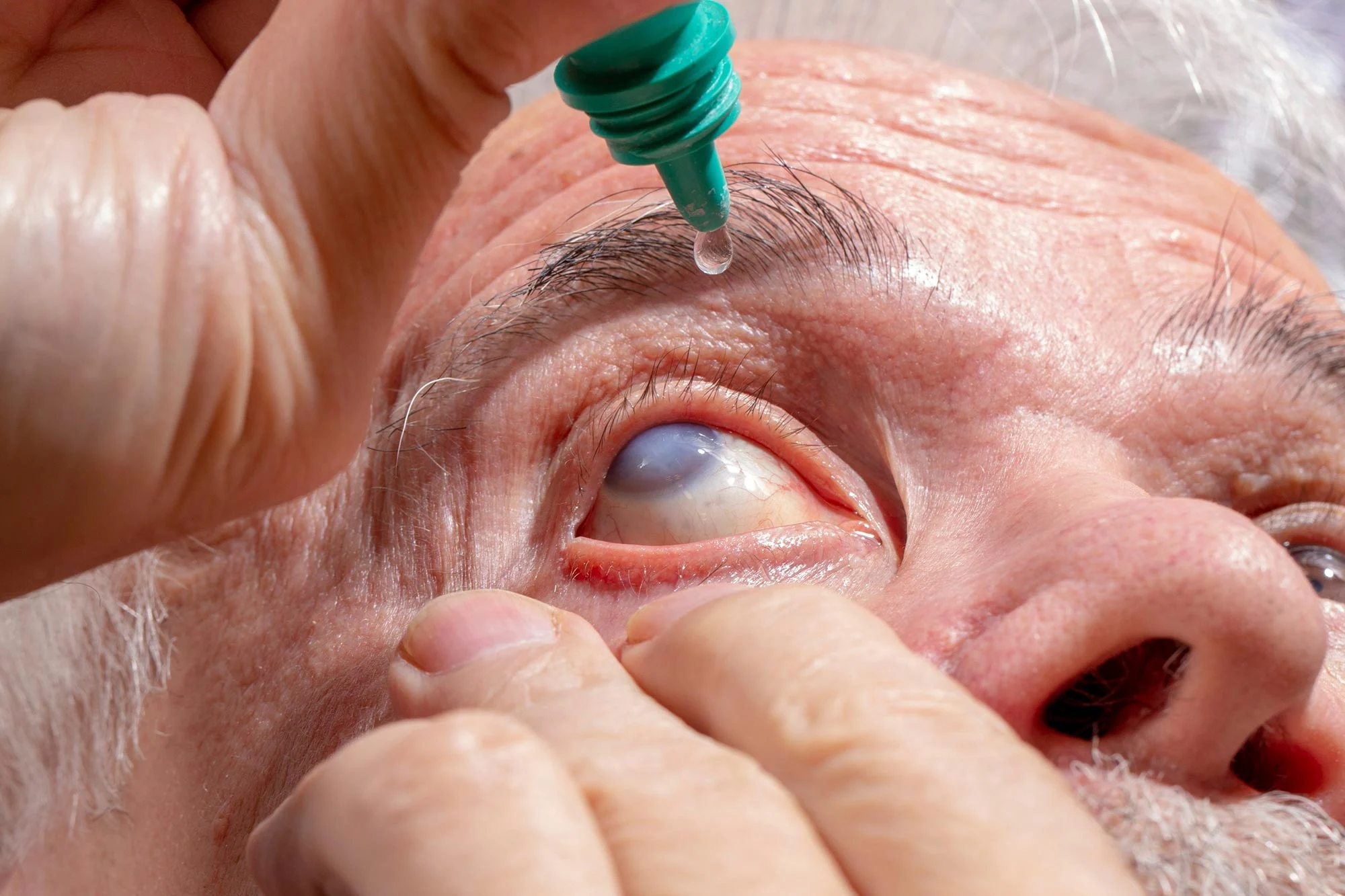
Summary of Natural Molecules Identified as Potential New Weapon Against Glaucoma:
Researchers at the University of Missouri have discovered two small molecules, agmatine and thiamine, that may serve as potential biomarkers for early detection and treatment of glaucoma—a leading cause of blindness. This study indicates that glaucoma patients have lower levels of these metabolites in the fluid of the eye compared to non-patients. The goal is to develop a simple blood test to identify the disease earlier, allowing timely intervention before significant vision loss occurs. Additionally, these molecules show promise as neuroprotective treatments that could help preserve retinal ganglion cells (RGCs) and slow the progression of vision loss.
*****
Summary Points
- Discovery of Biomarkers: Researchers at the University of Missouri have identified two natural molecules, agmatine and thiamine, that could serve as biomarkers for early detection of glaucoma.
- The Challenge of Glaucoma: This eye condition is a leading cause of blindness among older adults, damaging retinal ganglion cells (RGCs) that transmit visual signals.
- Potential Treatments: Agmatine and thiamine are showing promise not only in detection but also as neuroprotective agents that may halt or slow vision loss.
- Future Aspirations: The long-term goal is to develop a simple blood test for these biomarkers, enabling earlier intervention and treatment for glaucoma patients.
- Collaborative Research Environment: The ambitious research efforts draw upon a robust collaborative structure, enhancing the prospects for successful breakthroughs in glaucoma care.
A Ray of Hope: Natural Molecules Identified as Potential Weapons Against Glaucoma
Glaucoma, a word that brings with it a swirl of anxiety for many, has long been a thorn in the side of medical science. It’s insidious, often creeping up without hugely apparent symptoms until irreversible damage has occurred. Yet, a new beacon of hope has begun to illuminate this complicated path. Research from the University of Missouri reveals a promising lead: two tiny metabolites, agmatine and thiamine, that could drastically alter the landscape of glaucoma diagnosis and treatment. But what does this mean for you, your vision, and the future of eye health?
The Challenge of Understanding Glaucoma
To fully comprehend the significance of these findings, it’s crucial to understand glaucoma itself. This condition primarily affects older adults, with damage occurring silently over time. The retinal ganglion cells (RGCs) — the unsung heroes of our visual system — are compromised. These cells are responsible for sending visual signals from the retina to the brain. When they deteriorate, the ripple effect is monumental; vision loss follows, often irreversible.
In many cases, patients remain oblivious to the looming threat until the damage has escalated to significant elevations in intraocular pressure. Current treatment options primarily focus on lowering this pressure, yet they fail to address the underlying issue — the protection of retinal ganglion cells from degeneration. This creates a pressing need for innovative solutions that go beyond, offering a dual approach of detection and treatment.
The Breakthrough Discovery
Cue Dr. Pawan Singh and his research team at the University of Missouri. With a focus on early detection, they have embarked on a journey that could redefine glaucoma management. Their pivotal study uncovered that glaucoma patients exhibit reduced levels of agmatine and thiamine in aqueous humor — the clear fluid that fills the space between the cornea and the lens of the eye.
But wait, why are these tiny molecules important? Agmatine, a naturally occurring compound derived from the amino acid arginine, and thiamine, also known as Vitamin B1, may hold the key to early diagnosis and possibly new therapeutic avenues. These metabolites are not just markers; they may also offer neuroprotective benefits that can safeguard RGCs from lighting the path toward vision loss.
The Future of Early Detection
Isn’t it fascinating to think that a mere blood test could one day allow us to analyze these biomarkers, paving the way for catching glaucoma early? Imagine a world where yearly check-ups could seamlessly integrate this test, giving us foresight into an affliction many don’t discover until it’s too late. Singh envisions this possibility, hoping to turn this scientific inquiry into actionable insights for eye care professionals.
His words resonate with conviction: “Our long-term goal is to see if doctors could one day do a simple blood test to check for these biomarkers.” If realized, this could revolutionize the way we approach glaucoma, shifting the focus from reactive treatment to proactive care.
Agmatine and Thiamine: More Than Just Biomarkers
But the research doesn’t stop at detection alone. Dr. Singh’s team has also found that both agmatine and thiamine exhibit neuroprotective properties. The implications are staggering. Current treatments focus primarily on reducing eye pressure without protecting RGCs from damage. In contrast, these metabolites could serve both functions, paving the way for new therapies in the form of eye drops or supplements designed to preserve visual function.
Imagine taking a proactive approach not just in diagnosing, but in treating this ailment. The prospect of agmatine and thiamine becoming part of your conversational toolkit with your eye doctor is thrilling. Complementing current therapies or possibly becoming standalone options, they may embody the next generation of glaucoma management.
Collaborative Endeavors for a Common Goal
None of this would be possible without the collaborative spirit pulsating through the University of Missouri. With diverse expertise and an ambitious ambition, the teamwork is palpable. Singh notes, “Mizzou’s impressive research infrastructure and our collaborative team help make this research possible.” It’s a refreshing reminder that the combined intellectual efforts of passionate individuals can lead to meaningful breakthroughs.
The excitement among eye care practitioners and researchers is tangible. Each study inching forward is a step toward unearthing modalities that hold the potential to extend the gift of sight. As Singh affirms, his colleagues are equally eager to see where this research trajectory leads.
Navigating Towards a Hopeful Future
The intersection of discovery and necessity breathes life into an otherwise daunting horizon. Glaucoma may be a formidable foe, yet knowledge is power. With the insight gleaned from the study of agmatine and thiamine, the narrative is shifting. Awareness is rising, and efforts are amplifying in the realm of eye health.
But what can we do in our everyday lives? Familiarize yourself with the importance of annual eye exams, and don’t shy away from discussing family histories. Awareness is the first step in prevention. Encourage those around you to prioritize eye health, igniting a movement that not only embraces knowledge but empowers action.
A Call to Awareness
The findings from the University of Missouri are a rallying cry. They inspire hope, but they also emphasize the importance of vigilance. Glaucoma may remain a silent predator, but armed with the right information and a proactive mindset, the battle can shift in our favor.
Stay updated with the latest research from trusted sources. Engage in conversations about glaucoma with loved ones and healthcare providers. The journey towards better eye health is shared, and your involvement can be a catalyst for change.
As research on agmatine and thiamine progresses, remember to keep hope alive. It’s the foundation upon which all discoveries stand. With every new piece of information unearthed, we draw closer to solutions that can transform lives.
Conclusion: Moving Forward with Optimism
Glaucoma is complex and challenging, but it no longer feels insurmountable. With emerging research shedding light on early detection and innovative treatments, a brighter future is on the horizon. Agmatine and thiamine are more than just molecules; they represent hope, aspiration, and the relentless pursuit of knowledge.
In navigating the continued evolution of glaucoma research, we remain optimistic. Collaborative efforts in science and medicine have the potential to forge a path that leads not only to greater awareness but to tangible solutions.
So, take heart, and remain engaged. The next time you hear about advancements in eye health, let it be a reminder that progress is being made — one discovery at a time. Embrace this journey, for your sight is a treasure worth protecting, and it’s in the hands of those who dare to ascend the heights of scientific inquiry.
In this ever-evolving landscape, let’s continue to champion eye health and make the invisible visible. With agmatine and thiamine leading the charge, a new era in glaucoma care is not just possible; it’s underway.